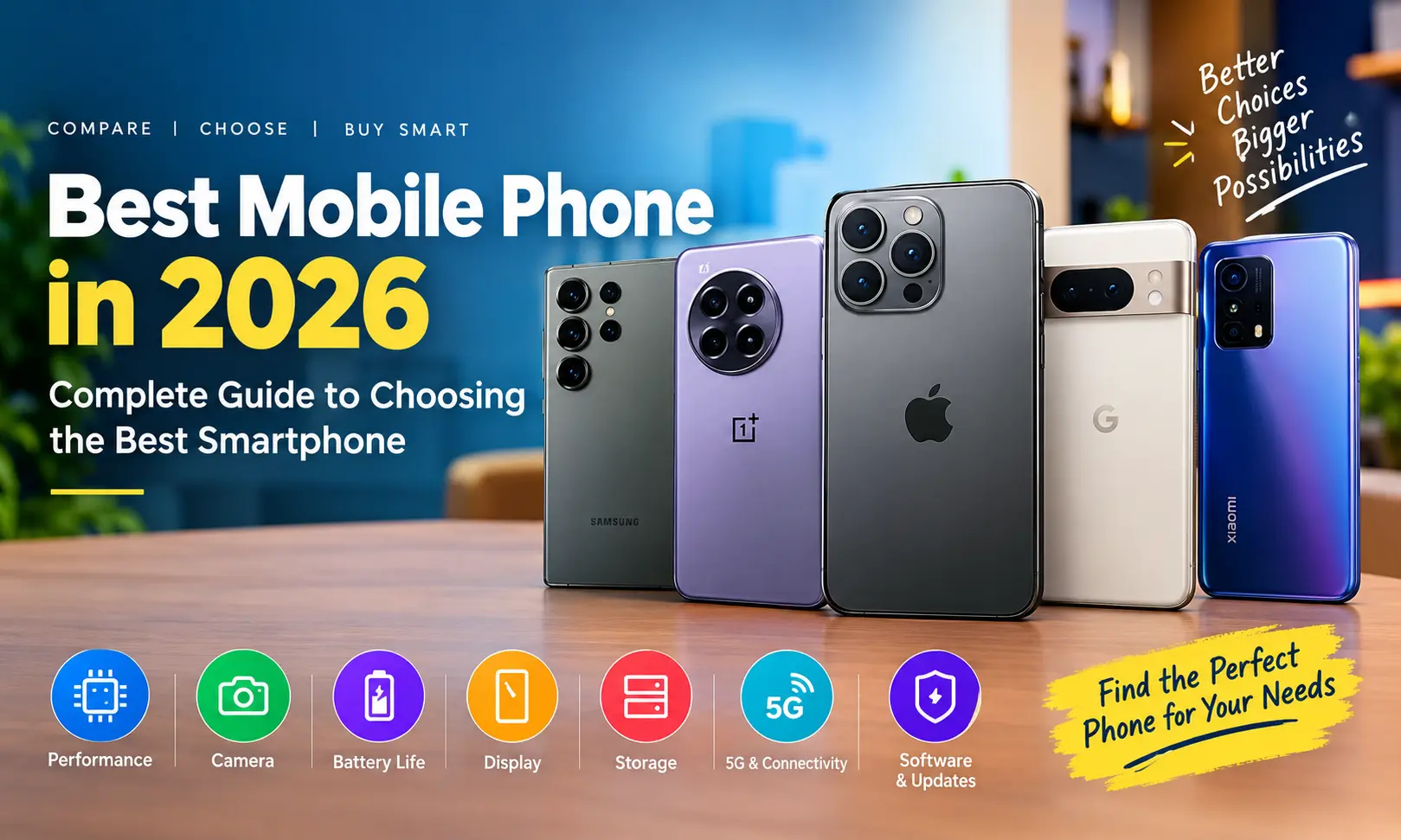
Finding the best mobile phone can be difficult because there are hundreds of smartphones available in different price ranges. Every smartphone brand claims to offer the best performance, camera, battery, display, design, and features. However, the best mobile phone is not always the most expensive phone or the one with the highest specifications. The right smartphone depends on your personal requirements, budget, daily usage, and the features that matter most to you.
In 2026, smartphones have become more powerful and versatile than ever. Modern mobile phones can be used for communication, photography, gaming, entertainment, online education, business, social media, content creation, banking, shopping, navigation, and artificial intelligence applications.
Whether you are searching for the best mobile phone in India, the best smartphone for gaming, the best camera phone, the best phone for students, the best battery phone, or a premium flagship smartphone, it is important to understand the major features before making your purchase.
This complete guide explains everything you should consider when choosing the best mobile phone in 2026.
What Is the Best Mobile Phone?
There is no single smartphone that can be called the best for every person.
Different users have different requirements. A professional photographer may want the best camera system, while a gamer may care more about the processor and cooling system. A student may want an affordable phone with good battery life, while a business professional may prefer a premium device with excellent security and long-term software support.
For this reason, the best mobile phone should be the smartphone that provides the right combination of features for your particular needs.
A good smartphone should ideally offer:
- Smooth performance
- A high-quality display
- Reliable cameras
- Long battery life
- Fast charging
- Enough storage
- Modern connectivity
- Good software
- Regular security updates
- Strong build quality
- Reliable customer support
The importance of each feature depends on how you use your smartphone.
Why Choosing the Right Smartphone Is Important
A smartphone has become one of the most important devices in everyday life. People use their phones for much more than making calls.
Today, a smartphone can replace several traditional devices because it can function as a camera, video player, gaming console, navigation system, payment device, communication tool, computer, and entertainment center.
Many people keep their smartphones for several years, so making the right choice can save money and prevent the frustration of upgrading too soon.
A cheap smartphone may appear attractive because of its low price, but if it becomes slow after a short period, the initial savings may not be worthwhile.
Similarly, purchasing an expensive flagship smartphone may not make sense if you only use your phone for calls, messaging, browsing and social media.
The best approach is to find a phone that provides the right features at the right price.
How to Choose the Best Mobile Phone
Before purchasing a smartphone, you should consider several important factors. These include your budget, processor, RAM, storage, display, camera, battery, software, connectivity and build quality.
Let’s look at each factor in detail.
1. Decide Your Budget
The first step in buying the best mobile phone is deciding your budget.
Smartphones are available from affordable entry-level models to premium flagship devices. Having a fixed budget can help you narrow your choices.
If you have a limited budget, focus on essential features such as performance, battery life, display quality and software support.
If you have a larger budget, you can consider additional features such as advanced camera systems, premium materials, wireless charging, high-end processors, better displays and enhanced water resistance.
Do not assume that a more expensive phone will automatically provide a better experience for you.
A mid-range smartphone can be an excellent choice for someone who does not need advanced flagship features.
 Mobile Phones
AB Abhishek Gupta| May 27, 2026| 23 min read
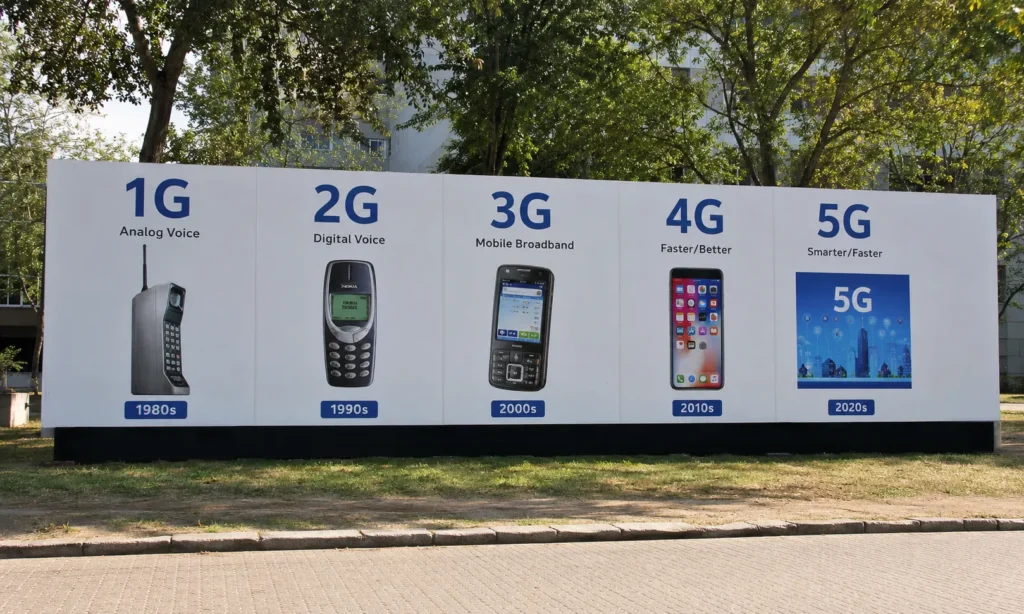
History of Mobile Networks: From 1G to 5G
2. Processor and Performance
The processor is one of the most important components of a smartphone.
It controls how quickly applications open, how smoothly games run, how quickly videos are processed and how well the phone handles multitasking.
A powerful processor is especially important for users who:
- Play demanding games
- Edit videos
- Use artificial intelligence applications
- Multitask between many apps
- Record high-resolution videos
- Use demanding productivity applications
However, processor performance should not be judged only by benchmark numbers.
Real-world performance also depends on software optimization, cooling, storage speed, RAM and power efficiency.
A well-optimized smartphone with a balanced processor can provide an excellent experience without having the most expensive chipset.
3. RAM
RAM helps your smartphone manage multiple applications.
If you frequently switch between applications such as Chrome, YouTube, WhatsApp, Instagram and games, having sufficient RAM can help keep the experience smooth.
However, buying a phone simply because it has a large RAM number is not always a good idea.
The operating system, processor and memory management also affect performance.
For most users, a balanced combination of RAM, processor and storage is more important than choosing the largest RAM configuration available.
4. Storage
Storage determines how many applications, photos, videos, games and files you can keep on your phone.
Modern smartphones commonly offer different storage options.
For many users, 128GB can be a reasonable starting point. However, users who take lots of photographs, record videos or install large games may benefit from 256GB or more.
If you plan to keep the smartphone for several years, buying additional storage can be a smart decision.
Before purchasing, check whether the smartphone supports a memory card. Many modern premium phones do not offer expandable storage.
 Mobile Phones
AB Abhishek Gupta| May 27, 2026| 42 min read
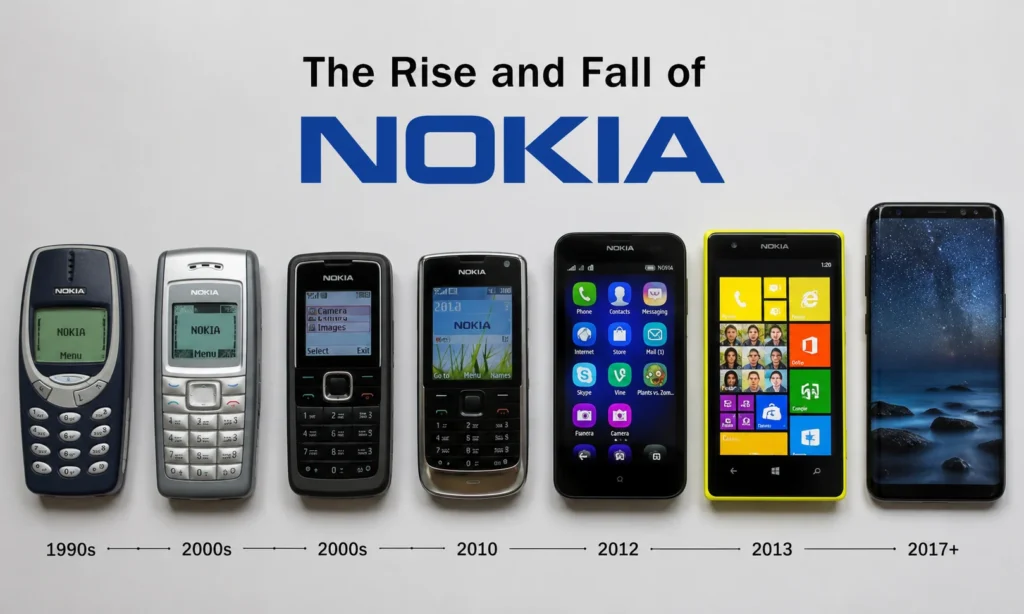
The Rise and Fall of Nokia Phones
5. Display Quality
The display is one of the features you interact with every time you use your smartphone.
A high-quality display can improve your experience when watching videos, playing games, browsing websites, reading articles and using social media.
Important display features include:
- Screen size
- Resolution
- Brightness
- Refresh rate
- Color accuracy
- Contrast
- HDR support
- Touch response
AMOLED and OLED displays are popular because they can provide deep blacks, strong contrast and vibrant colors.
A higher refresh rate can also make scrolling and animations feel smoother.
However, don’t focus on refresh rate alone. A good display should also have excellent brightness, accurate colors and good power efficiency.
Best Mobile Phone for Gaming
Gaming smartphones require different priorities from regular smartphones.
If gaming is important to you, look for:
- A powerful processor
- Strong graphics performance
- High-refresh-rate display
- Fast touch response
- Good cooling
- Large battery
- Fast charging
- Stereo speakers
Thermal management is particularly important.
A smartphone may deliver excellent performance initially but reduce performance after extended gaming because of heat.
Therefore, serious gamers should consider sustained performance rather than only short benchmark results.
A large battery is also useful because demanding games can consume considerable power.
Best Mobile Phone for Photography
Camera quality has become one of the most important smartphone features.
However, you should never judge a camera only by its megapixel count.
A good smartphone camera depends on:
- Sensor quality
- Sensor size
- Lens quality
- Optical image stabilization
- Autofocus
- Image processing
- HDR
- Low-light performance
A smartphone with a lower megapixel camera can sometimes produce better photographs than a phone with a much higher megapixel count.
Computational photography is also extremely important. Smartphone software can improve exposure, colors, dynamic range, noise reduction and portrait effects.
Main Camera
The main camera is usually the most important camera on a smartphone.
A good primary camera should capture detailed photographs with natural colors and good dynamic range.
Image stabilization can also be useful when taking photographs in low light or recording video.
Ultra-Wide Camera
An ultra-wide camera allows you to capture a larger field of view.
It can be particularly useful for:
- Landscapes
- Architecture
- Group photographs
- Travel
- Indoor photography
However, not every ultra-wide camera offers the same quality.
Telephoto Camera
A telephoto camera can provide optical zoom and is useful for distant subjects and portraits.
Photography enthusiasts may prefer smartphones that include a high-quality telephoto camera instead of several lower-quality sensors.
Best Mobile Phone for Video Recording
Video has become just as important as photography for many smartphone users.
Content creators use smartphones to record YouTube videos, Instagram Reels, TikTok-style short videos, travel videos and educational content.
When choosing a smartphone for video, look for:
- High-resolution video recording
- Good stabilization
- Reliable autofocus
- High-quality microphones
- Good dynamic range
- Good low-light video
- Quality front-camera video
Storage is also important because high-resolution video files can consume a lot of space.
If you record frequently, 256GB or more may be a better choice.
Battery Life
Battery life is another major factor when choosing the best mobile phone.
A powerful smartphone is not useful if you constantly need to recharge it.
Battery performance depends on several factors, including:
- Battery capacity
- Processor efficiency
- Display technology
- Screen brightness
- Refresh rate
- Network usage
- Software optimization
- Gaming
A larger battery does not automatically guarantee longer battery life.
An efficient processor and well-optimized software can allow a phone with a smaller battery to perform very well.
Fast Charging
Fast charging can be extremely convenient.
If you have limited time, a short charging session can provide enough power for several hours of use.
However, charging speed should not be the only consideration.
You should also consider heat management, charger compatibility and overall battery health.
Software Experience
The software experience can have a major impact on how enjoyable a smartphone is to use.
Two phones with similar hardware can feel completely different because of their software.
When comparing smartphones, consider:
- User interface
- App management
- Notifications
- Customization
- Privacy
- Security
- AI features
- Pre-installed applications
- Update policy
Some Android smartphones provide extensive customization, while others focus on a cleaner and simpler experience.
Apple’s iPhone offers a different software ecosystem with close integration between Apple devices.
The best option depends on your personal preference.
Software Updates and Security
Software support is becoming increasingly important.
A smartphone is not just hardware. It also requires regular software and security updates.
Before buying a phone, check:
- How long operating system updates are provided
- How long security updates are provided
- How frequently updates are released
- Whether the manufacturer has a reliable update history
Longer software support can increase the useful life of your smartphone.
If you plan to keep your phone for four or five years, software support should be one of your major buying criteria.
5G Connectivity
5G connectivity has become an important smartphone feature.
If you plan to keep your phone for several years, choosing a device with suitable 5G support can provide better future compatibility.
However, don’t simply look for the word “5G.”
Check supported bands and network compatibility with your mobile operator.
You should also consider Wi-Fi, Bluetooth and other connectivity features.
Build Quality and Durability
A smartphone is an expensive electronic device, so durability matters.
When comparing smartphones, consider:
- Frame material
- Back panel
- Screen protection
- Water and dust resistance
- Weight
- Thickness
- Overall construction
A phone that feels comfortable in your hand is also important.
Large smartphones may provide bigger displays and batteries, but compact phones can be easier to use with one hand.
Best Mobile Phone for Students
Students generally need a smartphone for online learning, communication, entertainment, research and social media.
A good student phone should provide:
- Reliable battery life
- Smooth performance
- Good display
- Adequate storage
- Good connectivity
- Reliable camera
Students don’t necessarily need the most expensive flagship.
A well-balanced mid-range smartphone can provide excellent performance while keeping the overall cost reasonable.
Best Mobile Phone for Business Users
Business users often need reliability more than flashy specifications.
Important features include:
- Long battery life
- Strong security
- Reliable network connectivity
- Good call quality
- Smooth multitasking
- Long software support
- Productivity features
A dependable smartphone can help with email, video meetings, documents, calendars, communication and mobile payments.
Best Mobile Phone for Content Creators
Content creators have unique requirements.
If you create videos or social media content, consider a smartphone with:
- High-quality main camera
- Good selfie camera
- Strong video stabilization
- High-quality audio
- Powerful processor
- Large storage
- Good battery life
A creator may benefit more from 256GB or 512GB storage than from spending extra money on a slightly faster processor.
Android vs iPhone
One of the biggest smartphone decisions is whether to choose Android or iPhone.
Both platforms have advantages.
Android Smartphones
Android offers a huge variety of devices from different manufacturers.
Android phones are available at many price levels and offer different designs, cameras, processors and features.
Android is particularly attractive for users who want:
- More hardware choices
- Greater customization
- Different price options
- Foldable phones
- Different user interfaces
- More flexibility
iPhone
The iPhone is popular because of its integrated hardware and software experience.
It can be particularly attractive to people who already use other Apple products.
iPhones are also known for their strong video capabilities, ecosystem integration and long-term software support.
Ultimately, the best platform is the one that fits your preferences and existing devices.
Common Smartphone Buying Mistakes
Many people make smartphone purchasing decisions based on marketing rather than real-world requirements.
Mistake 1: Choosing Only by Megapixels
A higher megapixel count doesn’t guarantee better image quality.
Mistake 2: Choosing Only by RAM
More RAM does not automatically mean a faster smartphone.
Mistake 3: Ignoring Software Support
A phone with excellent hardware can still become less attractive if software support is poor.
Mistake 4: Buying Too Much Storage
If you rarely take photographs or videos, paying a large premium for huge storage may not be necessary.
Mistake 5: Buying Too Little Storage
On the other hand, heavy users can quickly run out of storage.
Mistake 6: Ignoring Battery Performance
A phone that needs frequent charging can become frustrating.
Mistake 7: Buying Without Checking Reviews
Specifications don’t always tell the whole story.
Real-world reviews can reveal heating, camera limitations, battery performance and software problems.
How Much RAM Do You Need?
The amount of RAM you need depends on your usage.
If you mainly use:
- Calling
- Browsing
- YouTube
- Social media
you don’t necessarily need the highest RAM configuration.
Heavy multitaskers and gamers may benefit from more memory.
However, always consider RAM together with processor performance and software optimization.
How Much Storage Do You Need?
Storage requirements depend on your habits.
128GB
A practical choice for many everyday users.
256GB
A better option for people who take many photos, record videos or install large games.
512GB
Useful for serious creators and heavy users.
1TB or More
Generally useful only for people with very large storage requirements.
Is a 120Hz Display Worth It?
A 120Hz display can make a smartphone feel smoother.
Scrolling through websites and social media can feel more fluid, while supported games can take advantage of higher refresh rates.
However, display quality involves much more than refresh rate.
You should also consider:
- Brightness
- Color accuracy
- Resolution
- Touch response
- HDR
- Power efficiency
Is Fast Charging Important?
Fast charging is useful for people who have busy schedules.
Instead of waiting a long time to recharge your smartphone, fast charging can provide significant battery power in a shorter period.
However, the highest charging speed is not necessarily the most important feature.
A smartphone with good battery endurance may be more useful than one with extremely fast charging but poor battery life.
What Makes a Smartphone Future-Proof?
No smartphone can be completely future-proof, but some features can help extend its useful life.
Look for:
- Powerful processor
- Sufficient RAM
- Large storage
- 5G
- Quality display
- Good battery
- Durable construction
- Long software support
Software updates are especially important.
A phone that continues receiving security and operating system updates is more likely to remain useful for longer.
Should You Buy the Latest Smartphone?
Not always.
When a new model launches, older models can sometimes become more affordable.
A previous-generation flagship may still offer excellent performance, camera quality and build quality.
However, before buying an older smartphone, check how long it will continue receiving software updates.
You should also compare its current price against newer alternatives.
How to Compare Two Smartphones
When comparing two phones, don’t look at every specification equally.
Instead, identify your priorities.
For example, if you are a gamer:
- Processor
- GPU
- Cooling
- Display
- Battery
should receive the most attention.
If you’re a photographer:
- Camera
- Image processing
- Telephoto
- Display
- Storage
may be more important.
If you’re an everyday user:
- Performance
- Battery
- Display
- Camera
- Software
can be a good priority order.
Best Smartphone Buying Checklist
Before purchasing a smartphone, ask these questions:
What is my budget?
Set a maximum amount before you start shopping.
What will I use the phone for?
Gaming, photography, business and everyday use have different requirements.
How long do I plan to keep it?
If you plan to keep it for several years, prioritize software support and durability.
How much storage do I need?
Choose enough storage for your photos, videos, apps and games.
Do I need an advanced camera?
If photography isn’t important to you, you may be able to save money.
Do I need fast charging?
Consider how often you can charge your phone.
Does it support my network?
Check 5G bands and other connectivity requirements.
Does the manufacturer provide good service?
Customer service and repair availability can be important after purchase.
How to Get the Best Value From Your Smartphone Purchase
Getting good value doesn’t necessarily mean buying the cheapest phone.
Instead, compare the complete ownership experience.
Consider:
- Purchase price
- Accessories
- Warranty
- Software updates
- Battery replacement
- Repair costs
- Storage
- Performance
- Resale value
A slightly more expensive phone may be better value if it lasts longer and receives updates for more years.
Mobile Phones
AB Abhishek Gupta| May 27, 2026| 23 min read
History of Mobile Networks: From 1G to 5G
Best Mobile Phone for Long-Term Use
If you want to keep your smartphone for several years, don’t focus only on current performance.
Long-term buyers should prioritize:
- Durable hardware
- Strong processor
- Adequate RAM
- Large storage
- Battery health
- Software support
- Security updates
- Reliable service
A balanced smartphone can often provide a better long-term experience than a device built around one standout feature.
Final Verdict
Choosing the best mobile phone in 2026 is ultimately about finding the right balance between price, performance and features.
There is no single smartphone that is perfect for everyone.
The best phone for you depends on what you actually do with your device.
Gamers should prioritize processors, graphics performance, cooling and display quality.
Photographers should focus on camera sensors, stabilization, image processing and zoom capabilities.
Content creators should look for excellent cameras, video recording, microphones, storage and battery life.
Students should prioritize value, battery life, performance and display quality.
Business users should consider security, reliability, connectivity and software support.
Everyday users should look for a balanced smartphone with strong battery life, good performance, quality cameras and a good display.
Most importantly, don’t buy a smartphone simply because it has impressive numbers on a specification sheet.
A smartphone with a huge megapixel count, enormous RAM capacity or extremely fast charging is not automatically the best smartphone.
Instead, consider the complete experience.
Look at performance, camera quality, display, battery life, software, updates, storage, connectivity and durability.
Before buying, compare several models in your budget, read independent reviews and consider how long you expect to use the device.
The best smartphone is the one that meets your requirements without forcing you to pay for features you don’t need.
In 2026, smartphone buyers have more choices than ever. With a little research and a clear understanding of your priorities, you can find a mobile phone that delivers excellent performance, reliable battery life, great cameras and a smooth user experience for years to come.
Frequently Asked Questions
The best mobile phone depends on your budget and requirements. The ideal phone should provide a good combination of performance, display quality, camera capabilities, battery life, software support and storage.
A balanced smartphone with a reliable processor, good battery life, quality display, dependable camera and long-term software support is generally suitable for everyday users.
Gaming users should prioritize a powerful processor, strong GPU, efficient cooling, high-refresh-rate display, large battery and fast charging.
Photography users should look for excellent camera sensors, optical stabilization, reliable autofocus, strong image processing and useful optical zoom.
128GB can be enough for many users, while 256GB or more is recommended for heavy photographers, gamers and content creators.
A 120Hz display can provide smoother scrolling and animations than a 60Hz display, although overall display quality also depends on brightness, color accuracy and touch response.
Not necessarily. RAM is important for multitasking, but processor performance, software optimization and storage speed also have a major impact on overall performance.
No. Camera quality depends on the sensor, lens, image processing, stabilization, autofocus and software as well as megapixel count.
Both have advantages. Android provides a wider variety of devices and customization options, while iPhone offers a tightly integrated hardware and software ecosystem.
A quality smartphone can remain useful for several years. Long software support, durable hardware and good battery health can significantly extend its useful life.
Conclusion
The smartphone market offers more choices than ever, but choosing the best mobile phone doesn’t have to be complicated.
Start with your budget. Then identify your most important features.
If you need gaming performance, prioritize the processor and cooling.
If you love photography, prioritize the camera system.
If you travel frequently, prioritize battery life and durability.
If you create content, prioritize cameras, microphones and storage.
If you want a phone for several years, prioritize software updates, processor performance and build quality.
By focusing on your actual needs instead of marketing numbers, you can choose a smartphone that delivers better value and a better everyday experience.
The perfect smartphone is not necessarily the most expensive one.
The best mobile phone is the one that gives you the features you need, the performance you expect and the value you deserve.
Leave a Reply