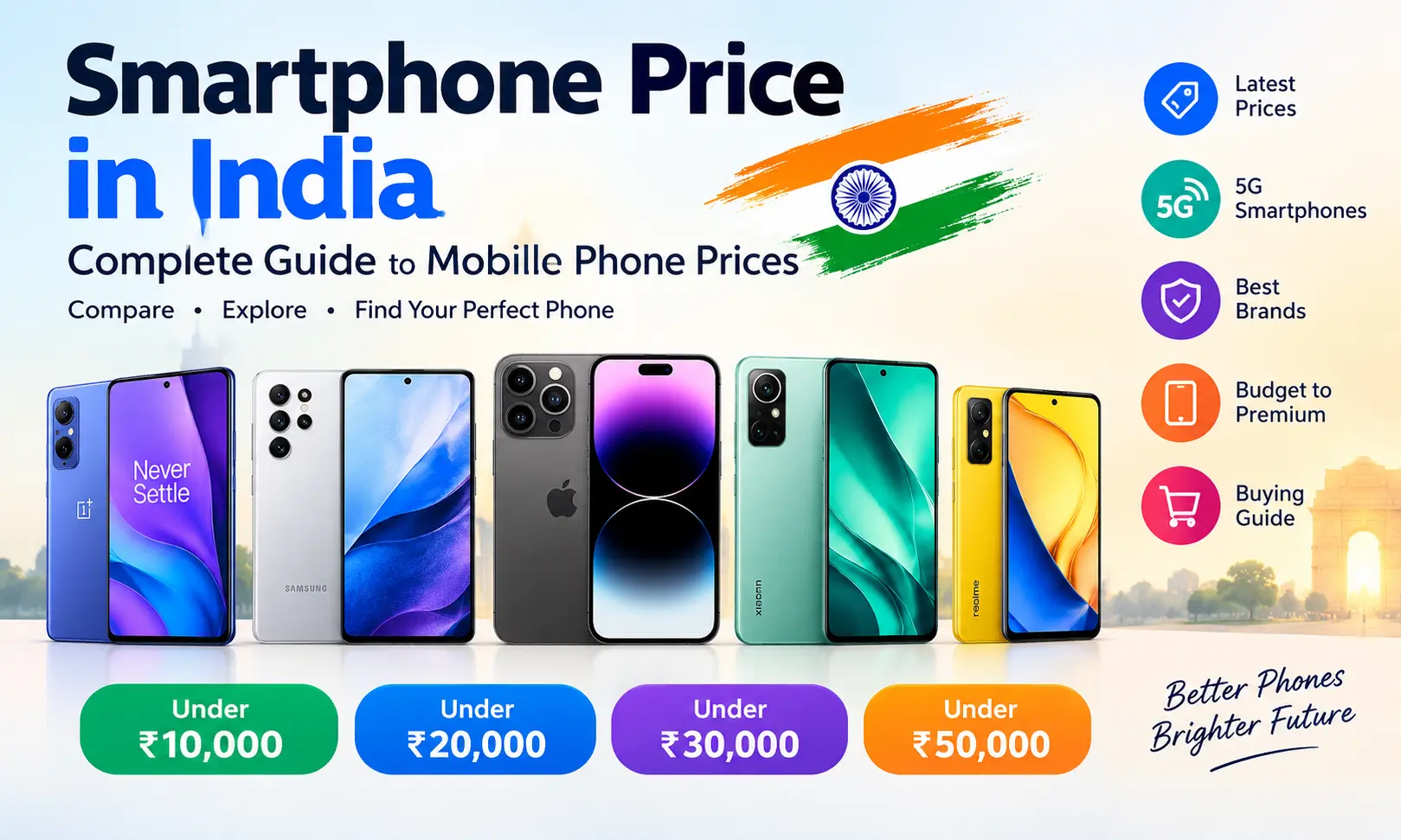
Buying a new smartphone can be confusing because there are hundreds of models available at different prices. From affordable smartphones under ₹10,000 to premium flagship phones costing more than ₹1 lakh, the Indian smartphone market offers options for almost every type of buyer.
But the most important question for many people is simple: What is the right smartphone price for my needs?
A smartphone is no longer just a device for making calls. Modern phones are used for online payments, social media, photography, gaming, video streaming, business, education, navigation, artificial intelligence, content creation, and communication. Because of this, choosing a smartphone only by looking at its price can lead to a poor buying decision.
The good news is that smartphone technology has improved rapidly. Features that were once available only in expensive flagship phones are now appearing in affordable and mid-range devices. High-refresh-rate displays, 5G connectivity, large batteries, fast charging, capable processors, multiple cameras, AMOLED screens, and improved software are increasingly available at lower prices.
At the same time, smartphone prices have also been affected by higher component costs. Recent market reporting indicates that average smartphone selling prices in India increased substantially during the first half of 2026, with the lower-priced segment experiencing particularly strong price pressure.
This comprehensive guide explains smartphone prices in India, different smartphone price ranges, what specifications you should expect at each budget, how to compare phones, and how to choose the best device for your requirements.
What Is the Smartphone Price in India?
The smartphone price in India depends on several factors, including the brand, processor, RAM, storage, display technology, camera system, battery capacity, charging speed, software support, build quality, and connectivity options.
Generally, smartphones in India can be divided into several broad price categories:
- Under ₹10,000: Entry-level and affordable smartphones
- ₹10,000–₹15,000: Budget smartphones
- ₹15,000–₹20,000: Value-focused smartphones
- ₹20,000–₹30,000: Upper mid-range smartphones
- ₹30,000–₹50,000: Premium mid-range and affordable flagship phones
- ₹50,000–₹80,000: Premium smartphones
- ₹80,000–₹1,00,000: High-end flagship smartphones
- Above ₹1,00,000: Ultra-premium flagship and foldable smartphones
These categories are not fixed rules. Prices change because of launches, discounts, exchange offers, bank promotions, seasonal sales, and changes in inventory.
For example, current Indian smartphone listings show models ranging from relatively affordable devices to premium smartphones priced well above ₹1 lakh. Smartprix’s October 2026 listings include models such as the Realme P3x around ₹13,999, Motorola Edge 70 Fusion around ₹27,249, and premium devices such as the Xiaomi 17 Ultra and other flagship models.
Smartphone Price Under ₹10,000
For buyers with a limited budget, smartphones under ₹10,000 remain an important category.
However, this segment requires careful comparison. Because component costs have increased, especially for memory, very cheap smartphones may make compromises in areas such as RAM, storage, cameras, display resolution, charging speed, or processor performance.
A phone under ₹10,000 can still be suitable for:
- Calling
- Web browsing
- YouTube
- Social media
- Online payments
- Basic photography
- Online classes
- Light applications
- Casual gaming
But buyers should not expect flagship-level performance.
What Should You Expect Under ₹10,000?
A good budget smartphone in this category may offer:
- 4G or entry-level 5G connectivity
- 4GB to 6GB RAM
- 64GB or 128GB storage
- Large battery
- Basic fast charging
- Large LCD display
- Multiple cameras
- Android software
- Fingerprint sensor on selected models
The processor is especially important. A phone with a newer and efficient chipset can feel much faster than a device with an older processor, even when both phones have similar RAM.
Who Should Buy a Smartphone Under ₹10,000?
This category is ideal for:
- Students
- Senior citizens
- First-time smartphone users
- Secondary phones
- Basic communication
- Calling and messaging
- Light entertainment
If you use your phone heavily for gaming, video editing, photography, or business applications, spending a little more can provide a much better experience.
Smartphone Price Under ₹15,000
The ₹10,000–₹15,000 category is one of the most competitive smartphone segments.
At this price, buyers can often find better processors, larger batteries, improved cameras, higher refresh-rate displays, and 5G connectivity.
The exact specifications vary by brand and model, but this category generally provides a noticeable improvement over entry-level smartphones.
Features to Look For
When shopping for a smartphone under ₹15,000, consider:
5G connectivity:
If you plan to keep the phone for several years, 5G can provide better long-term connectivity.
At least 6GB RAM:
6GB is generally a better starting point for people who multitask regularly.
128GB storage:
128GB provides considerably more flexibility than 64GB.
Large battery:
A 5,000mAh battery is common, while some newer phones offer significantly larger capacities.
High-refresh-rate display:
A 90Hz, 120Hz, or higher refresh rate can make scrolling and animations feel smoother.
Fast charging:
Charging speed can make a major difference for people who use their phone throughout the day.
Current 2026 listings show several phones around this category offering features such as 5G, large batteries and high-refresh-rate displays.
Smartphone Price Under ₹20,000
The best smartphone under ₹20,000 category has become increasingly competitive.
At this price, consumers can find phones with features that were previously associated with considerably more expensive devices.
For example, current listings include smartphones with AMOLED displays, 120Hz or higher refresh rates, large batteries, 5G processors, and improved camera systems. Gadgets 360’s October 2026 recommendations include devices starting around ₹15,499 in this segment, while other current listings show multiple options between approximately ₹16,000 and ₹20,000.
What Makes a Good ₹20,000 Smartphone?
Look for:
- 5G
- 6GB or 8GB RAM
- 128GB or 256GB storage
- AMOLED or high-quality LCD display
- 120Hz or higher refresh rate
- Strong mid-range processor
- 5,000mAh or larger battery
- Fast charging
- Good primary camera
- Stereo speakers
- Reliable software updates
At this budget, performance should be one of your top priorities.
A smartphone with a powerful processor will usually provide better long-term usability than a phone that spends most of its budget on camera megapixels or design.
Smartphone Price Under ₹30,000
The ₹20,000–₹30,000 segment is an excellent choice for buyers who want a premium experience without paying flagship prices.
Smartphones in this range can provide:
- Powerful processors
- AMOLED displays
- High refresh rates
- Better cameras
- Faster charging
- Premium designs
- 5G
- Large batteries
- Better build quality
- Improved software experiences
For many users, this is the sweet spot for smartphone value.
Instead of spending ₹70,000 or ₹1,00,000 on a flagship phone, a ₹25,000–₹30,000 smartphone may provide most of the features they actually need.
Current Indian price listings include phones such as the Motorola Edge 70 Fusion around the ₹27,000 range and other models around ₹30,000.
Smartphone Price Under ₹40,000
The ₹30,000–₹40,000 category is targeted at buyers who want premium hardware.
Phones in this segment can offer:
- High-performance processors
- Advanced AMOLED displays
- Excellent camera systems
- Fast charging
- Premium materials
- Large storage
- Better image processing
- Strong gaming performance
- Long software support
This price range is particularly attractive for users who want a phone for three to five years.
Rather than buying the cheapest phone possible and replacing it frequently, a better-built device with a powerful processor can sometimes provide better long-term value.
Smartphone Price Under ₹50,000
At around ₹40,000–₹50,000, smartphones begin competing directly with premium devices.
A phone in this category can offer flagship-level performance while sometimes costing considerably less than ultra-premium models.
Ideal Users
This price range is suitable for:
- Mobile gamers
- Photographers
- Content creators
- Business professionals
- Heavy multitaskers
- Frequent travelers
- Users who keep their phones for several years
You should expect strong performance, excellent displays, good cameras, fast charging and premium construction.
One important consideration is software support. A powerful phone can remain physically capable for years, but limited software updates can reduce its useful life.
Smartphone Price Between ₹50,000 and ₹80,000
The ₹50,000–₹80,000 category contains many premium smartphones and affordable flagship devices.
At this price, buyers should expect:
- Flagship-class processors
- High-quality AMOLED or LTPO displays
- Excellent cameras
- Wireless charging on selected models
- Premium glass or metal construction
- Water and dust resistance
- Advanced AI features
- Long software support
- Excellent speakers
- Fast connectivity
At this level, simply comparing RAM and megapixels is not enough.
Camera quality depends on sensors, lenses, stabilization, image processing and software.
Similarly, processor performance depends on architecture, thermal management and software optimization—not simply the chipset’s advertised clock speed.
Smartphone Price Above ₹1 Lakh
Ultra-premium smartphones can cost ₹1 lakh or more.
These phones generally target enthusiasts and professionals who want the best available hardware.
The premium category includes:
- Ultra-premium flagship smartphones
- Foldable smartphones
- High-end camera phones
- Large-storage variants
- Professional-oriented devices
The Samsung Galaxy S26, for example, has recently crossed the ₹1 lakh starting point in India after a reported price revision, with the 256GB model listed at ₹1,02,999. The higher-capacity Galaxy S26 Ultra variants extend considerably beyond that level.
At this price, consumers should carefully consider whether they actually need the additional features.
A ₹1.2 lakh smartphone may be substantially better in certain areas, but that does not necessarily mean it provides twice the practical experience of a ₹60,000 phone.
Why Are Smartphone Prices Increasing?
Smartphone prices are affected by many factors.
One of the biggest recent factors has been component cost.
Memory components are particularly important because smartphones increasingly require more RAM and storage.
According to recent reporting based on Counterpoint Research data, India’s average smartphone selling price increased by about 16% in the first half of 2026. Phones priced below ₹10,000 experienced particularly strong price pressure, while premium segments above ₹20,000 continued to see demand.
Other factors include:
1. Memory Costs
Modern smartphones require more RAM and storage than previous generations.
2. Processor Costs
Advanced processors can be expensive to manufacture and integrate.
3. Camera Hardware
High-resolution sensors, optical stabilization, telephoto cameras and advanced image-processing hardware increase costs.
4. Display Technology
AMOLED, LTPO and high-refresh-rate panels can increase production costs.
5. Currency Exchange Rates
Imported components and manufacturing costs can be affected by currency movements.
6. Research and Development
Brands invest heavily in AI, camera processing, software and hardware development.
7. Premium Materials
Glass, metal frames, advanced coatings and water resistance add manufacturing costs.
Does a Higher Smartphone Price Mean a Better Phone?
Not always.
This is one of the most important things to understand when shopping for a smartphone.
A ₹1,00,000 smartphone may have better cameras, processor performance, display quality and construction than a ₹20,000 phone.
But whether those differences matter depends on your usage.
For example:
A student who mainly uses WhatsApp, YouTube, Google, Instagram and online classes may not need a ₹1 lakh phone.
A professional photographer or video creator may benefit significantly from a premium camera system.
A mobile gamer may prioritize processor performance, cooling and display refresh rate.
A business user may care more about software support, security and productivity features.
Therefore, the best smartphone is not necessarily the most expensive smartphone.
The best smartphone is the one that provides the right features for your budget.
How to Choose the Right Smartphone Price
Before purchasing a phone, determine your maximum budget.
For example:
Budget: ₹12,000
Focus on battery, 5G, basic performance and storage.
Budget: ₹20,000
Focus on processor, display, battery and camera balance.
Budget: ₹30,000
Look for premium displays, stronger processors and better cameras.
Budget: ₹50,000
Consider flagship-level performance and long-term software support.
Budget: ₹80,000+
Compare cameras, displays, build quality, software ecosystem and premium features.
Setting a budget first prevents you from spending money on features you do not actually need.
Smartphone Price vs Performance
Performance is one of the most important factors when comparing smartphones.
The processor affects:
- App opening speed
- Gaming
- Multitasking
- Camera processing
- AI features
- Video editing
- Battery efficiency
- Long-term usability
Do not select a smartphone only because it has more RAM.
For example, a well-optimized phone with 8GB RAM and a strong processor can provide a better experience than a poorly optimized phone with 12GB RAM.
Also consider storage technology. Faster storage can improve application loading and overall responsiveness.
Smartphone Price and RAM
RAM allows the smartphone to keep applications active in memory.
Common configurations include:
- 4GB RAM
- 6GB RAM
- 8GB RAM
- 12GB RAM
- 16GB RAM
For basic users, 4GB or 6GB may be sufficient depending on software optimization.
For most modern users, 8GB RAM is a comfortable target.
Heavy gamers and content creators may benefit from 12GB or more.
However, RAM should never be considered separately from the processor and software.
Smartphone Price and Storage
Storage is another major consideration.
Common storage options include:
- 64GB
- 128GB
- 256GB
- 512GB
- 1TB
For a new smartphone, 128GB is generally a more comfortable starting point than 64GB.
If you take many photos and videos, install games, download movies or store large files, 256GB may be a better choice.
Cloud storage can help, but local storage remains important for users who frequently work offline.
Smartphone Price and Display Quality
The display is the component you interact with every day.
Important specifications include:
- Display size
- Resolution
- Refresh rate
- Brightness
- HDR support
- Panel technology
- Touch sampling rate
- Color accuracy
LCD displays remain common in affordable phones.
AMOLED displays are increasingly common in mid-range and premium smartphones.
A higher refresh rate, such as 120Hz, can make scrolling feel noticeably smoother.
However, display quality is more than refresh rate.
A good display should also offer sufficient brightness, accurate colors and good outdoor visibility.
Smartphone Price and Camera Quality
Camera megapixels are not everything.
A 200MP camera does not automatically produce better photos than a 50MP camera.
Camera performance depends on:
- Sensor size
- Lens quality
- Optical stabilization
- Image processing
- HDR
- Night mode
- Autofocus
- Telephoto capability
- Ultra-wide camera quality
If photography is important, look beyond the megapixel number.
For many users, a smartphone with one excellent primary camera can be better than a phone with four average cameras.
Smartphone Price and Battery Life
Battery life is one of the most practical smartphone features.
Many modern smartphones use batteries around 5,000mAh or larger, while some newer devices go considerably higher.
Large batteries are particularly useful for:
- Gaming
- Navigation
- Video streaming
- Social media
- Hotspot usage
- Long workdays
But battery capacity alone does not determine battery life.
Processor efficiency, display technology, software optimization and network conditions also matter.
A 5,500mAh phone with efficient hardware can potentially last longer than a poorly optimized 6,500mAh device.
Fast Charging and Smartphone Price
Fast charging has become increasingly common.
Charging speeds vary considerably between smartphones.
Depending on the model, you may find:
- 15W
- 18W
- 25W
- 33W
- 45W
- 67W
- 80W
- 100W+
- Other proprietary charging systems
Fast charging is useful if you frequently forget to charge your phone or need a quick battery boost.
However, charging speed should not be your only buying criterion.
Battery health, charger availability and thermal management are also important.
5G Smartphone Price in India
5G smartphones are now available across multiple price categories.
For buyers planning to keep a phone for several years, 5G can be a useful feature.
However, you should check the actual 5G bands supported by the phone and your carrier rather than simply looking for a “5G” label.
A good 5G smartphone should ideally combine:
- 5G connectivity
- Efficient processor
- Good battery
- Adequate RAM
- 128GB or more storage
- Reliable software
The cheapest 5G phone is not necessarily the best value.
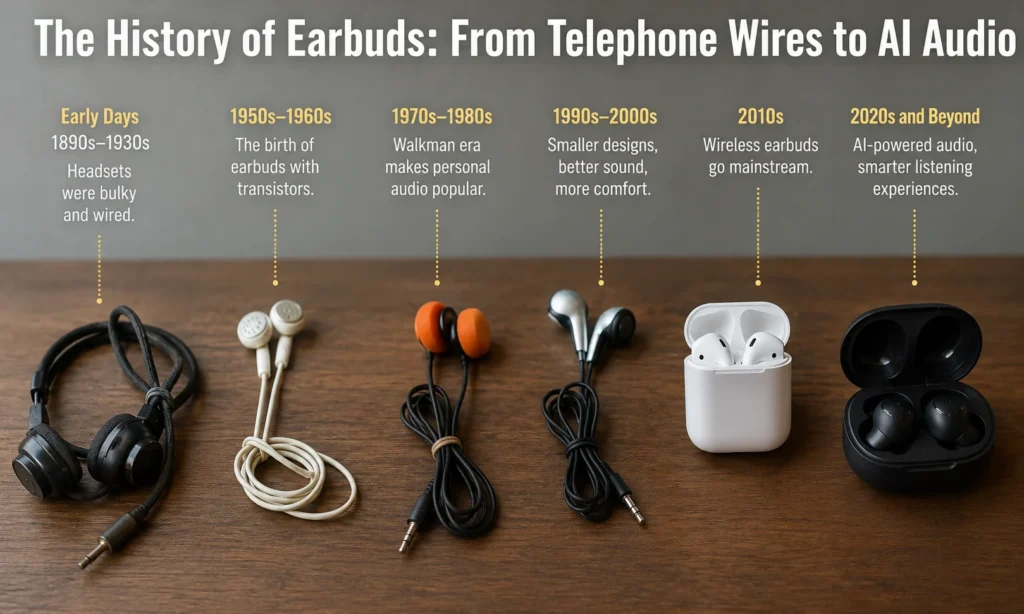 Earbuds
AB Abhishek Gupta| May 18, 2026| 29 min read
The History of Earbuds: From Telephone Wires to AI Audio
Best Smartphone Price Range for Gaming
If gaming is your priority, the ₹20,000–₹40,000 range can provide excellent value.
Important gaming features include:
- Powerful processor
- Good GPU
- High-refresh-rate display
- Efficient cooling
- Large battery
- Fast charging
- Good sustained performance
- Stereo speakers
- High touch response
Do not select a gaming phone only by looking at its peak benchmark score.
Sustained performance is more important.
A phone that performs extremely well for five minutes but becomes heavily throttled after heating up may provide a poor gaming experience.
Best Smartphone Price Range for Photography
Photography-focused buyers should consider approximately the ₹30,000+ segment, although good cameras are available at lower prices.
For serious photography, look for:
- Large primary sensor
- Optical image stabilization
- Good night mode
- Reliable autofocus
- High-quality telephoto camera
- Good ultra-wide camera
- Natural colors
- Strong HDR
- Good video stabilization
Flagship smartphones usually provide the best combination of hardware and computational photography.
Best Smartphone Price Range for Students
Students generally do not need expensive flagship phones.
A smartphone between ₹12,000 and ₹25,000 can often provide an excellent balance.
Important features include:
- Good battery
- 5G
- 128GB storage
- 6GB or 8GB RAM
- Smooth display
- Reliable processor
- Good speakers
- Strong software support
For students, battery life may be more useful than an expensive camera.
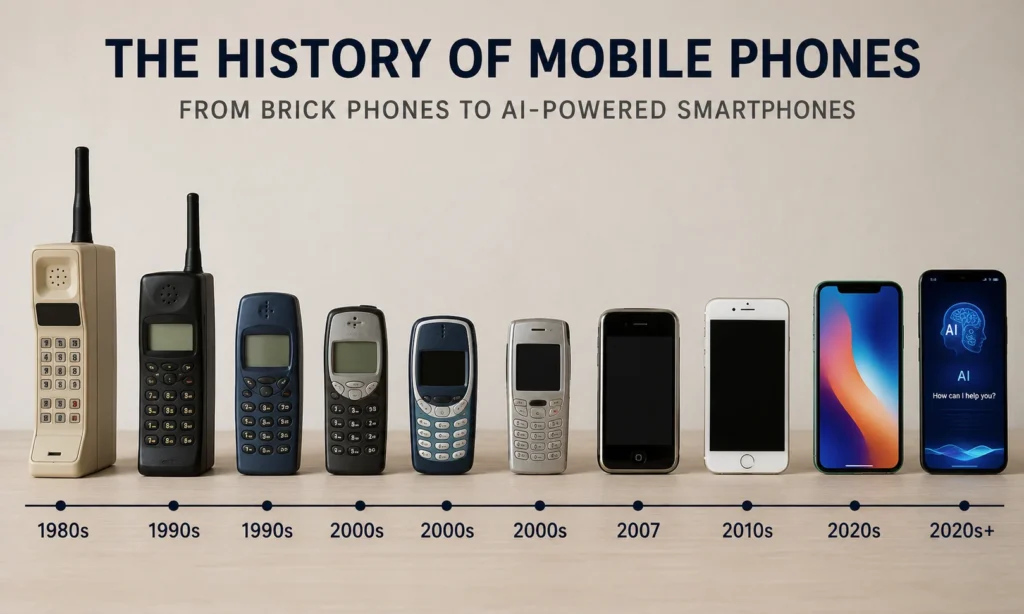 Mobile Phones
AB Abhishek Gupta| May 26, 2026| 22 min read
The History of Mobile Phones: From Brick Phones to AI-Powered Smartphones
Best Smartphone Price for Business Users
Business users should prioritize reliability.
Important features include:
- Good software support
- Security updates
- Strong battery life
- Fast performance
- Good call quality
- Reliable connectivity
- NFC where needed
- Good storage
- Quality display
- Professional build
A premium mid-range or flagship phone can be a good choice for professionals who depend on their smartphone every day.
Smartphone Price and Software Updates
Software support is often overlooked.
A phone may have excellent hardware but become less attractive if the manufacturer provides limited updates.
When comparing phones, investigate:
- Android version
- Number of Android upgrades
- Security update period
- Update frequency
- Manufacturer support reputation
Long software support can significantly increase the practical life of a smartphone.
Online Smartphone Price vs Offline Price
The price you see online may not always be the final price you pay.
Online stores frequently provide:
- Bank discounts
- Exchange bonuses
- Coupons
- Festival offers
- No-cost EMI
- Bundle offers
Offline stores may provide:
- Exchange negotiations
- Local discounts
- Accessories
- Instant setup
- Personal assistance
Current festive-season sales in India are also showing discounts on previous-generation premium smartphones, making older flagship models worth considering when their prices fall substantially.
Always compare the final effective price rather than just the advertised price.
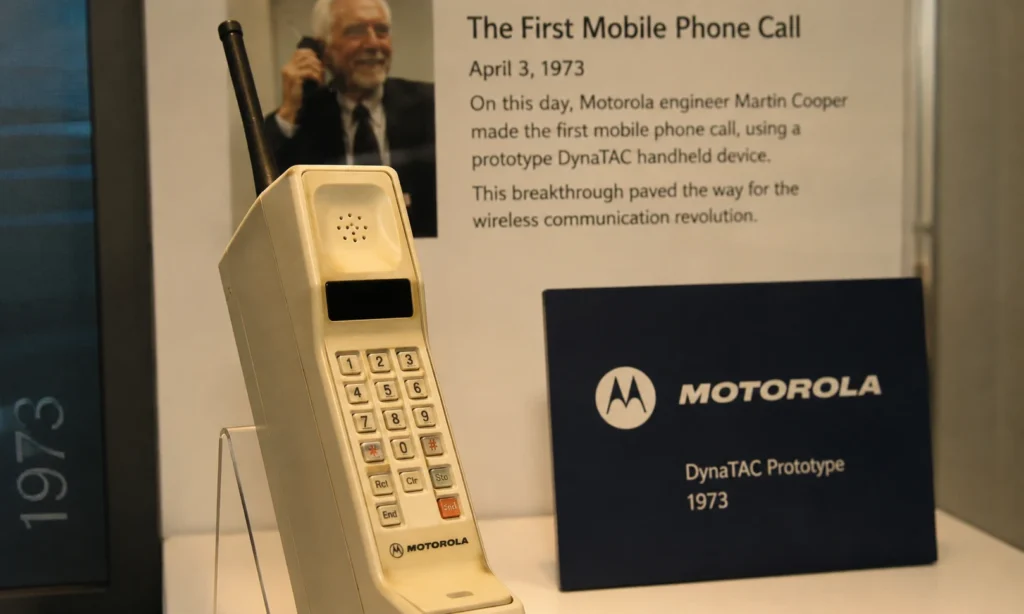 Mobile Phones
AB Abhishek Gupta| May 26, 2026| 33 min read
The Story of Motorola and the First Mobile Phone
Should You Buy an Older Flagship or a New Mid-Range Phone?
This is an interesting question.
An older flagship can offer:
- Better camera hardware
- Better processor
- Better display
- Premium build
- Better water resistance
A newer mid-range phone may offer:
- Larger battery
- Longer remaining software support
- Newer connectivity
- Better charging
- Newer Android version
The right choice depends on the discount.
If an older flagship has received a major price reduction and still has sufficient software support, it can be an excellent deal.
How Smartphone Discounts Work
Smartphone prices can change quickly.
A phone may launch at ₹30,000 and later sell for ₹25,000 or less.
Prices can fall because of:
- New model launches
- Festival sales
- Brand promotions
- Bank discounts
- Exchange offers
- Inventory clearance
- Competition
- Seasonal demand
This means you should not assume that the launch price is the best price.
When Is the Best Time to Buy a Smartphone?
There is no single perfect day to buy a smartphone.
However, good opportunities often appear during:
- Major festive sales
- Brand anniversary sales
- New model launches
- End-of-year promotions
- Exchange campaigns
- Bank offer periods
If a new generation is launching soon, older models may receive discounts.
But if you need a phone immediately, waiting several months only to save a small amount may not be worthwhile.
 Mobile Phones
AB Abhishek Gupta| May 26, 2026| 27 min read
The Future of Smartphones in 2030: How Mobile Technology Will Transform Human Life
Smartphone Price Comparison Checklist
Before purchasing, compare these specifications:
Performance
- Processor
- RAM
- Storage technology
Display
- AMOLED or LCD
- Refresh rate
- Resolution
- Brightness
Camera
- Primary sensor
- OIS
- Ultra-wide
- Telephoto
- Video recording
Battery
- Capacity
- Charging speed
- Charger included
Connectivity
- 5G bands
- Wi-Fi
- Bluetooth
- NFC
Software
- Android version
- Update policy
- Security support
Build
- Glass or plastic
- Metal frame
- Water resistance
- Screen protection
Value
- Current price
- Offers
- Exchange value
- Warranty
Common Mistakes When Buying a Smartphone
1. Buying Only for Megapixels
More megapixels do not automatically mean better photos.
2. Buying Only for RAM
RAM is important, but processor and software optimization matter too.
3. Ignoring Software Updates
A phone should ideally receive updates for several years.
4. Choosing the Cheapest Phone
The cheapest option may cost more in the long run if you replace it quickly.
5. Ignoring Storage
Modern applications, videos and photos consume storage quickly.
6. Buying More Features Than You Need
There is no reason to spend ₹1 lakh if a ₹25,000 phone satisfies your requirements.
7. Ignoring the Total Cost
Accessories, chargers, cases and insurance can increase the actual cost.
Smartphone Price: Which Budget Is Best for You?
Here is a simple guide:
| Budget | Best For |
|---|---|
| Under ₹10,000 | Basic users |
| ₹10,000–₹15,000 | Students and everyday users |
| ₹15,000–₹20,000 | Value buyers |
| ₹20,000–₹30,000 | Most mainstream users |
| ₹30,000–₹40,000 | Premium mid-range users |
| ₹40,000–₹50,000 | Enthusiasts |
| ₹50,000–₹80,000 | Premium users |
| ₹80,000–₹1 lakh | Flagship buyers |
| ₹1 lakh+ | Ultra-premium enthusiasts |
For many people, the ₹20,000–₹30,000 segment offers one of the strongest balances between price and performance.
How Much Should You Spend on a Smartphone?
A useful rule is to determine what you actually need before deciding how much to spend.
If you only use:
- Calls
- YouTube
- Online payments
you probably do not need a premium flagship.
If you use:
- Gaming
- Photography
- Video editing
- AI applications
- Professional software
- Heavy multitasking
a more powerful device may be justified.
Think about your phone as a tool.
The right smartphone price is the amount that gives you the performance, reliability and features you need without paying unnecessarily for specifications you will rarely use.
Future of Smartphone Prices in India
The smartphone market is likely to continue evolving rapidly.
AI is becoming an increasingly important smartphone feature.
Future devices are expected to place greater emphasis on:
- On-device AI
- Generative AI
- AI photography
- AI assistants
- Translation
- Productivity tools
- Battery optimization
- Advanced cameras
- Foldable displays
- Satellite connectivity
- Faster 5G
- More efficient processors
As these technologies become standard, manufacturers will need to balance advanced hardware with affordability.
The current market already shows that premium smartphone prices can move significantly when component costs rise. At the same time, competition continues to create strong options in the mid-range segment.
Final Verdict: Finding the Best Smartphone Price
There is no single smartphone price that is best for everyone.
The best smartphone depends on your budget and priorities.
For basic users, an affordable smartphone under ₹15,000 can provide everything necessary for daily communication and entertainment.
For users who want better performance, cameras and displays, the ₹15,000–₹30,000 segment offers a strong balance.
For gamers, creators and power users, spending ₹30,000–₹50,000 can provide substantially stronger hardware.
For people who want flagship cameras, premium construction, advanced processors and long-term performance, premium smartphones above ₹50,000 can make sense.
Ultra-premium phones above ₹1 lakh are mainly aimed at buyers who specifically want the best available features, premium materials, advanced cameras, foldable technology or a particular ecosystem.
The most important lesson is simple:
Do not buy a smartphone based only on its price.
Compare the processor, display, camera, battery, storage, software support, connectivity and build quality. Check the current market price, look for genuine discounts, and think about how you will use the phone over the next three to five years.
A smart smartphone purchase is not about buying the most expensive device.
It is about finding the best combination of price, performance, features, reliability and long-term value.
With smartphone prices changing regularly in India, checking the latest price immediately before purchasing is also essential. Current October 2026 price databases and buying guides show that prices can differ substantially between models and that discounts can change the effective cost quickly.
Whether your budget is ₹10,000, ₹20,000, ₹30,000, ₹50,000 or ₹1 lakh, there is likely to be a smartphone that fits your requirements. The key is to understand your priorities, compare competing models and spend your money where it makes the biggest difference.
Choose features over hype, value over unnecessary specifications, and long-term usability over a short-term bargain.
That is the best way to find the right smartphone price in India.
Frequently Asked Questions About Smartphone Price
The average price varies considerably by market segment. Recent 2026 industry data reported a significant increase in India’s average smartphone selling price, while affordable, mid-range and premium categories continue to have very different price points.
For many mainstream users, ₹20,000–₹30,000 is a strong value range because it can provide good performance, cameras, displays, battery life and 5G connectivity without the cost of an ultra-premium flagship.
Yes. A ₹10,000 smartphone can be suitable for calls, messaging, social media, streaming and basic applications. Buyers should carefully compare performance, storage, software support and battery life.
Yes. The under-₹20,000 segment currently offers many capable smartphones. Current 2026 buying guides show options with large batteries, high-refresh-rate displays, 5G and capable processors in this range.
If you plan to keep your phone for several years, 5G can be a useful feature. However, check supported 5G bands and network compatibility before purchasing.
For many users, 6GB to 8GB RAM is sufficient. Heavy users and gamers may prefer 12GB or more, but RAM should be evaluated together with the processor and software optimization.
For many users, 128GB is a good starting point. If you record lots of video, install large games or keep many files locally, 256GB or more may be preferable.
Only if its advantages match your needs. Flagship phones can provide excellent cameras, performance, displays and build quality, but a less expensive smartphone may offer better value for everyday users.
Yes. Prices can change because of new launches, sales, exchange offers, bank discounts, inventory and component costs. Always check the latest price before purchasing.
Sometimes. An older flagship can offer better cameras, processor performance and build quality, while a new budget phone may provide newer software and a longer remaining support period. Compare the actual price and update policy before deciding.
SEO Keyword Ideas for This Article
Primary keyword:
- smartphone price
Secondary keywords:
- smartphone price in India
- mobile phone price
- smartphone price India
- mobile price
- best smartphone price
- best smartphone under 10000
- best smartphone under 15000
- best smartphone under 20000
- best smartphone under 30000
- best 5G smartphone
- 5G smartphone price
- budget smartphone price
- latest smartphone price
- Android smartphone price
- premium smartphone price
- flagship smartphone price
- mobile phone price in India
- best mobile phone in India
- smartphone buying guide
- mobile buying guide
- affordable smartphone
- best budget smartphone
- smartphone comparison
- mobile phone comparison
Suggested SEO title:
Smartphone Price in India: Best Mobile Phones by Budget & Complete Buying Guide
Suggested meta description:
Check smartphone prices in India and learn which mobile phone is best for your budget. Compare smartphones under ₹10,000, ₹20,000, ₹30,000, ₹50,000 and more.
Suggested URL slug:/smartphone-price-in-india/
Suggested H1:
Smartphone Price in India: Complete Guide to Mobile Phone Prices and Best Buying Options
Suggested tags:
smartphone price, smartphone price in India, mobile phone price, mobile price, best smartphone, 5G smartphone, budget smartphone, Android phone, smartphone buying guide, mobile phone India
Leave a Reply