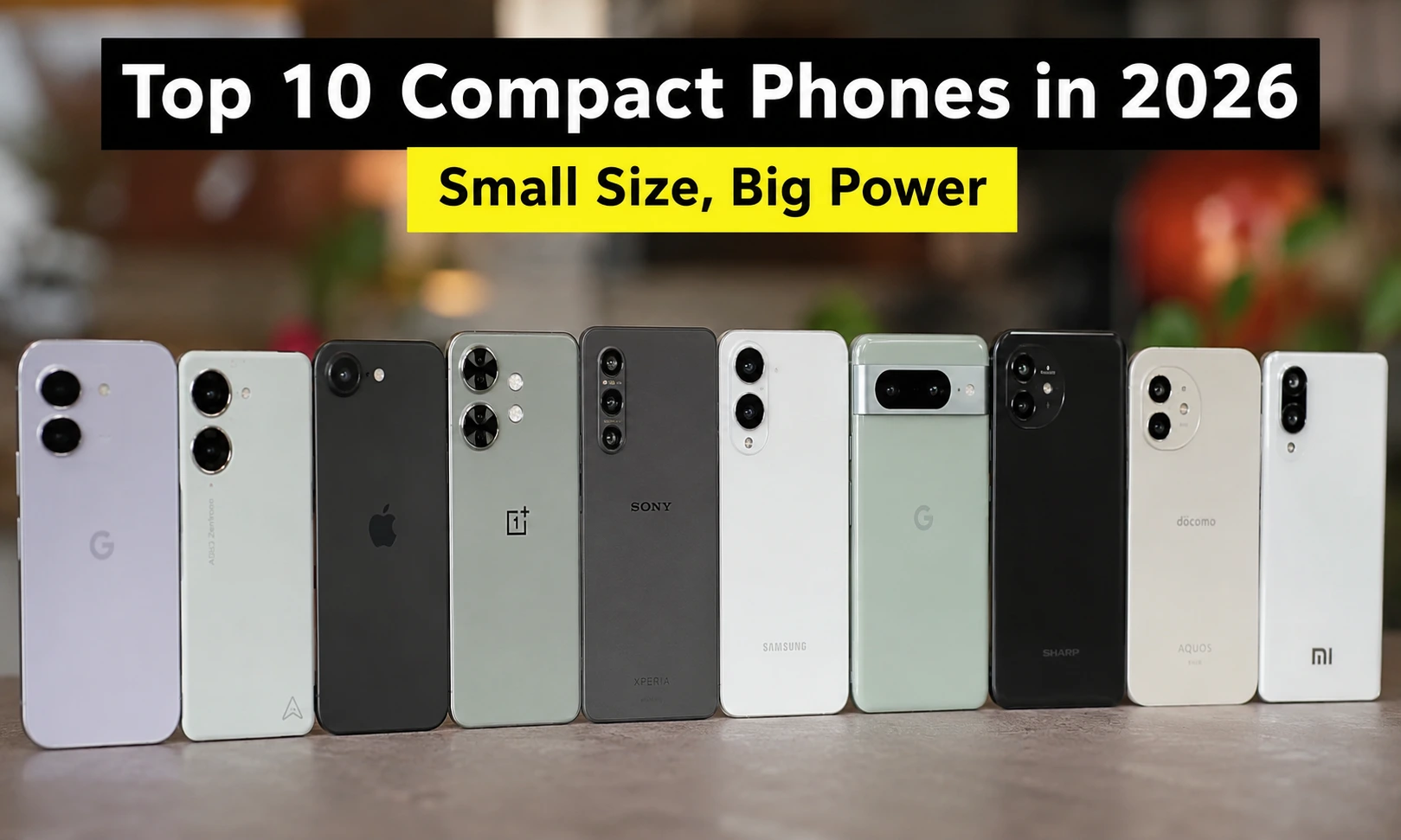
Hi, my name is Abhishek Gupta, and in today’s article, I’m going to help you find the best compact phones in 2026 that perfectly balance size, performance, and usability.
As someone who regularly explores the latest smartphones and tech trends, I’ve noticed that many users are now shifting back toward compact and easy-to-handle devices. While large-screen phones dominate the market, not everyone enjoys carrying a bulky device all day. Compact phones offer a much more comfortable experience, especially for one-hand usage, traveling, and everyday convenience.
In this detailed guide, I have carefully researched and selected the top 10 compact smartphones that deliver powerful performance, excellent cameras, and modern features—all packed into a smaller, more practical design. Whether you are an Android user or prefer iOS, this list will help you choose the perfect compact phone based on your needs and budget.
So if you’re tired of oversized smartphones and looking for something lightweight, stylish, and powerful, you’re in the right place.
Let’s get started
In today’s smartphone market, where brands are constantly pushing devices with larger displays and heavier builds, compact phones offer a refreshing alternative. Many users are now actively searching for devices that are comfortable to hold, easy to use with one hand, and lightweight enough for daily convenience.
Compact phones are not just about size—they are about balance. These devices pack powerful processors, excellent cameras, and long-term software support into smaller frames. Whether you’re commuting, multitasking, or simply browsing casually, a compact phone feels far more natural in hand.
Another important reason for the rise in demand is user fatigue with oversized phones. Carrying a 6.7-inch phone all day can feel bulky, especially in pockets or small bags. Compact phones solve this problem while still offering premium features.
In this article, we’ll explore the top 10 compact smartphones in 2026, along with detailed insights, comparisons, and a complete buying guide to help you choose the best one.
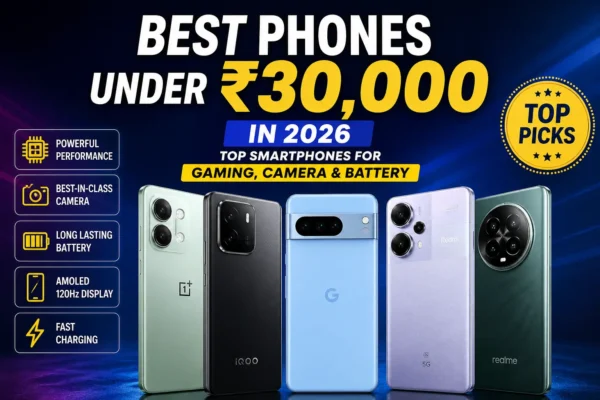
Best Phones Under ₹30,000 in 2026 – Complete Buying Guide
What Defines a Compact Smartphone?
The definition of a compact smartphone has evolved significantly over the years. Earlier, compact meant devices under 5 inches, but today, due to technological advancements and display design improvements, the category has shifted.
Modern compact smartphones usually fall within the 6.0 to 6.3-inch range, thanks to ultra-thin bezels and taller aspect ratios. This allows manufacturers to offer larger screens without increasing the overall phone size dramatically.
A compact phone is not just about screen size—it also includes:
- Ergonomic design for better grip
- Lightweight construction for daily comfort
- Easy reach across the display
- Pocket-friendly dimensions
Additionally, compact phones now come with:
- High refresh rate displays (90Hz–120Hz)
- Flagship or near-flagship processors
- Advanced camera systems with AI features
- Long battery optimization despite smaller capacity
This means users no longer need to compromise performance for portability.
Top 10 Compact Phones (2026)
1. Apple iPhone 13 Mini – Best Truly Compact Phone
The iPhone 13 Mini stands out as one of the last truly compact smartphones ever produced. With its 5.4-inch display, it offers a rare experience that modern smartphones have largely abandoned.
What makes this phone exceptional is how Apple has managed to integrate flagship-level hardware into such a small body. The A15 Bionic chip ensures smooth performance, whether you’re gaming, editing photos, or multitasking between apps.
The design is another highlight. Its flat edges, lightweight build, and premium materials make it extremely comfortable to hold. Even users with smaller hands will find it easy to use.
Despite its size, the camera system delivers excellent results, especially in low light. Apple’s computational photography ensures sharp images, natural colors, and great video quality.
However, due to its compact size, the battery life is slightly limited compared to larger models. Still, for users prioritizing size and usability, this is one of the best options available.
2. Google Pixel 9a – Best Compact Android Value
The Google Pixel 9a is a perfect example of how compact phones can deliver both performance and affordability. It strikes a balance between size, power, and price, making it ideal for everyday users.
One of its biggest strengths is the clean Android experience. Unlike many other brands, Google offers a bloat-free interface with smooth performance and fast updates.
The camera system is another major highlight. Even though it’s not a flagship device, it delivers top-tier photography, thanks to Google’s AI-powered image processing. Features like Night Sight and Magic Eraser make it stand out in its segment.
Battery life is also impressive due to efficient optimization. Combined with long-term software updates, this phone offers excellent value for money.
3. Samsung Galaxy S25 – Best Premium Compact Android
The Samsung Galaxy S25 represents the perfect compact flagship for Android users who want premium features without a bulky design.
It features a 6.2-inch AMOLED display that offers vibrant colors, deep blacks, and smooth scrolling with a high refresh rate. Despite the larger screen compared to mini phones, the device still feels compact due to its slim bezels.
Performance is top-notch, powered by a flagship processor capable of handling gaming, multitasking, and heavy apps effortlessly.
Samsung also excels in software, offering:
- Multi-year updates
- Advanced customization
- Strong ecosystem integration
The camera system delivers excellent results in all lighting conditions, making it a reliable choice for photography enthusiasts.
4. Samsung Galaxy S26 – Latest Compact Flagship
The Galaxy S26 builds upon its predecessor with improved AI features, better efficiency, and enhanced camera capabilities.
Samsung has focused heavily on AI integration, allowing smarter photography, battery management, and performance optimization. This makes the phone feel faster and more responsive in daily use.
The design remains sleek and lightweight, ensuring it stays within the compact category despite offering flagship features.
It’s a great choice for users who want the latest technology in a manageable size.
5.Vivo X200 Pro Mini – Best Camera Compact Phone
The Vivo X200 Pro Mini is designed specifically for users who prioritize camera performance in a compact body.
It features a powerful triple-camera setup, co-engineered with premium optics, delivering exceptional detail, color accuracy, and dynamic range.
The phone excels in:
- Portrait photography
- Night shots
- Zoom capabilities
Despite its camera focus, it does not compromise on performance. The flagship chipset ensures smooth operation across all tasks.
Its compact design makes it unique, as most camera-centric phones tend to be large and bulky.
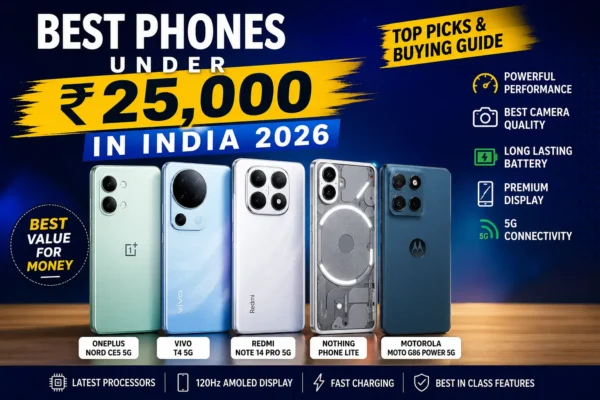
Best Phones Under ₹25,000 in India (2026) – Ultimate Buying Guide
6.Apple iPhone 12 Mini – Budget Compact iPhone
The iPhone 12 Mini remains one of the best options for users who want a small iPhone at a lower price point.
It offers a similar compact design to the iPhone 13 Mini but at a more affordable cost. The performance is still strong for everyday usage, including social media, browsing, and light gaming.
The camera system is reliable, delivering consistent results in most conditions. It may not match newer models, but it still performs well.
This phone is ideal for:
- Budget-conscious Apple users
- First-time iPhone buyers
- Users who prefer smaller devices
7.Oppo Reno15 Pro Mini – Stylish Compact Option
The Oppo Reno15 Pro Mini is perfect for users who value design and aesthetics along with performance.
It features a slim profile, attractive finish, and lightweight build, making it one of the most stylish compact phones available.
Performance is solid for daily tasks, and the camera system delivers good results for casual photography.
Fast charging is another strong point, ensuring the phone quickly gets back to full power when needed.
8.Compact Foldable – Samsung Galaxy Z Flip Series
Foldable phones bring a completely different approach to compact design. The Galaxy Z Flip series folds into a small square, making it extremely portable.
When unfolded, it offers a large display suitable for:
- Watching videos
- Gaming
- Multitasking
This combination of compact portability and large-screen usability makes it unique.
However, foldables are generally more expensive and may not appeal to all users due to durability concerns.
9.CMF Phone 1 – Budget Compact Alternative
The CMF Phone 1 is an excellent choice for users looking for a budget-friendly compact smartphone.
It offers a modern design, decent performance, and good battery life, making it suitable for everyday tasks like calling, browsing, and social media.
While it may not compete with flagship devices, it provides great value for its price.
10.Mini Android Phones – Ultra Small Category
Ultra-small Android phones are niche devices designed for users who want extremely compact sizes.
These phones are usually:
- Very small and lightweight
- Limited in performance
- Suitable as secondary devices
They are not ideal for heavy usage but can be useful as backup phones or for minimal tasks.
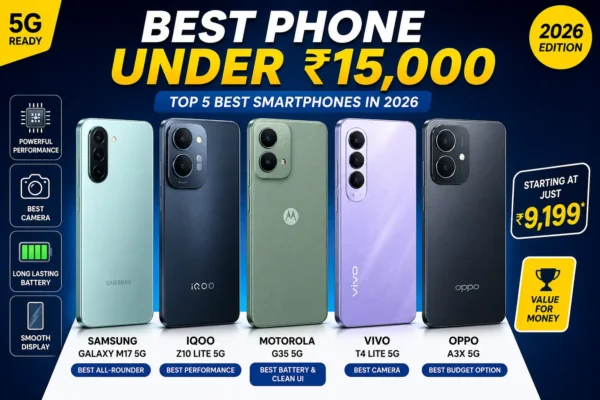
Best Phone Under ₹15,000 (2026) – Complete Buying Guide, Top Picks & Expert Comparison
PRODUCT COMPARISON TABLE
This comparison helps you understand the differences between various compact phones based on size, performance, camera, and battery.
Choosing the right phone depends on your priorities:
- If you want performance → go for flagship models
- If you want affordability → choose budget options
- If you want camera → pick specialized devices
Buying Guide: How to Choose a Compact Phone
Choosing a compact phone requires careful consideration of several factors.
Size Preference
If you want true compact, go for smaller devices like mini models. Otherwise, modern compact phones around 6.1 inches are also manageable.
Performance Needs
Heavy users should opt for flagship processors, while casual users can go for mid-range options.
Battery Life
Compact phones have smaller batteries, so efficiency and optimization matter more.
Software Support
Long-term updates ensure your phone stays secure and up-to-date for years.

Top Laptops with NPU Processors – Complete 2026 Guide
Compact vs Big Phones
Compact phones excel in portability and ease of use, while larger phones are better for media consumption and battery life.
Your choice depends on your usage:
- Travel & daily handling → compact
- Gaming & streaming → large phones
Why Compact Phones Are Rare
Compact phones are becoming rare due to market trends favoring larger displays. Most users prefer big screens for entertainment and productivity.
Additionally, larger phones allow manufacturers to include bigger batteries and more advanced hardware.
However, a growing number of users are now returning to compact phones for comfort and practicality, leading to a gradual revival of this segment.
Expert Verdict
Compact phones are ideal for users who prioritize comfort without compromising on essential features.
They may not offer the biggest screens or batteries, but they deliver a balanced and user-friendly experience.
Final Words
Compact phones prove that bigger is not always better. In a world where smartphones are becoming larger and heavier, compact devices bring back the perfect balance of comfort, portability, and powerful performance.
Whether you are a casual user, a professional, or someone who simply prefers a phone that fits easily in your hand and pocket, compact smartphones are a smart choice in 2026. With advancements in processors, cameras, and battery optimization, these devices no longer require major compromises.
From flagship models offering top-tier performance to budget-friendly options delivering great value, there is a compact phone available for every type of user. The key is to understand your needs—whether it’s camera quality, gaming performance, battery life, or overall usability—and choose accordingly.
If your priority is:
- Easy one-hand usage
- Lightweight and pocket-friendly design
- Smooth performance for daily tasks
Then a compact phone is definitely worth it.
FAQs
Yes, compact phones are absolutely worth buying in 2026, especially for users who prioritize comfort, portability, and ease of use. While the smartphone industry has largely shifted toward bigger displays, compact phones continue to hold a strong position among users who prefer one-hand usability and lightweight designs.
One of the biggest advantages of compact phones is their ergonomics. Large smartphones can be difficult to use with one hand, especially during activities like commuting, multitasking, or casual browsing. Compact devices solve this problem by offering a more natural grip and better accessibility across the screen.
In terms of performance, modern compact phones are no longer underpowered. Many brands now offer flagship processors, high refresh rate displays, and advanced camera systems even in smaller devices. This means you can enjoy gaming, photography, and multitasking without any major compromise.
Battery life used to be a concern in smaller phones, but improvements in chipset efficiency and software optimization have significantly reduced this issue. While they may not match the endurance of larger phones, compact devices still offer sufficient battery for daily usage.
Overall, compact phones are a great choice for users who want a balanced smartphone experience without the inconvenience of carrying a large device. They are especially ideal for professionals, students, and anyone who values comfort and practicality.
The definition of a compact smartphone has changed over time. In earlier years, phones with screens under 5 inches were considered compact. However, with advancements in display technology and the introduction of bezel-less designs, the standard has shifted.
In 2026, a smartphone is generally considered compact if it has a screen size between 6.0 inches and 6.3 inches. This may sound large compared to older devices, but due to thinner bezels and taller aspect ratios, these phones are still physically smaller and easier to handle.
Another important factor is the overall dimensions of the device, not just the screen size. Some phones with 6.2-inch displays may still feel compact if they have a slim body and lightweight design. Weight also plays a key role, with most compact phones staying under 180 grams for better usability.
True compact phones, like older mini models with 5.4-inch displays, are now rare. However, they still exist in limited options and are preferred by users who want extremely small devices.
Ultimately, the definition of compact depends on personal preference. For some users, a 6.1-inch phone is perfectly manageable, while others may prefer even smaller devices. The key is to choose a phone that feels comfortable in your hand and suits your daily usage.
Compact phones generally have smaller batteries compared to larger smartphones, but that does not necessarily mean they perform poorly. Battery performance depends on several factors, including software optimization, processor efficiency, and usage patterns.
It is true that larger phones can accommodate bigger batteries, which often results in longer screen-on time. However, compact phones compensate for this with more efficient hardware and optimized software. Modern chipsets are designed to consume less power, allowing smaller batteries to last longer than expected.
Additionally, compact phones usually have smaller displays, which consume less power compared to larger screens. This helps balance battery usage and ensures that the device can last throughout the day under normal usage conditions.
Fast charging is another feature that helps overcome battery limitations. Many compact phones now support quick charging technologies, allowing users to recharge their devices in a short amount of time.
For average users who primarily use their phones for calling, messaging, social media, and light browsing, compact phones provide sufficient battery life. However, heavy users who engage in gaming or video streaming for long hours may need to charge their devices more frequently.
In conclusion, while compact phones may have smaller batteries, advancements in technology have made them efficient enough for everyday use.
The choice between a compact phone and a large phone depends entirely on your personal preferences and usage habits. Both categories have their own advantages and limitations.
Compact phones are ideal for users who value portability and ease of use. They are easier to carry, fit comfortably in pockets, and can be operated with one hand. This makes them perfect for daily tasks like messaging, calling, and quick browsing. They are also more convenient for travel and long-term usage, as they cause less hand fatigue.
On the other hand, large phones are better suited for users who consume a lot of media or play games. The bigger display enhances the viewing experience for videos, movies, and gaming. Larger phones also tend to have bigger batteries, providing longer usage time.
Performance-wise, both compact and large phones can offer similar capabilities, especially in flagship models. The difference mainly lies in usability and comfort rather than raw power.
If you prioritize convenience, portability, and one-hand usage, a compact phone is the better choice. However, if you prefer a bigger screen for entertainment and productivity, a large phone may be more suitable.
Ultimately, the best option is the one that aligns with your lifestyle and daily needs.
Compact phones can handle gaming and heavy usage, but their performance depends on the specific model and hardware configuration. Many modern compact phones come equipped with powerful processors, high refresh rate displays, and sufficient RAM, making them capable of running demanding applications and games.
However, there are a few limitations to consider. Due to their smaller size, compact phones may have slightly less efficient heat dissipation compared to larger devices. This can lead to increased temperatures during extended gaming sessions.
Battery life is another factor. Gaming and heavy usage consume a significant amount of power, and smaller batteries may require more frequent charging. While fast charging helps mitigate this issue, it is still something to keep in mind.
The smaller screen size may also impact the gaming experience for some users, especially in games that require precise controls or immersive visuals. Larger phones provide a more engaging experience in such cases.
That said, for casual gaming and moderate usage, compact phones perform exceptionally well. They are capable of handling popular games, multitasking, and productivity tasks without any major issues.
In summary, compact phones are suitable for gaming and heavy usage, but users who prioritize extended gaming sessions and immersive visuals may prefer larger devices.
[…] Top 10 Compact Phones in 2026 – Small Size, Big Power […]
[…] Top 10 Compact Phones in 2026 – Small Size, Big Power […]