Introduction
The history of the iPhone is one of the most important stories in modern technology. When Apple introduced the first iPhone in 2007, the world of mobile phones changed forever. Before the iPhone, most mobile phones had physical keyboards, small screens, and limited internet features. Smartphones existed before Apple entered the market, but they were mainly designed for business users and technology enthusiasts.
The iPhone transformed mobile phones into powerful pocket computers that could handle communication, entertainment, photography, gaming, business tasks, and internet browsing in one elegant device. Over the years, the iPhone has become more than just a smartphone. It has become a symbol of innovation, status, creativity, and modern digital life.
This article explores the complete history of the iPhone, from the early beginnings of Apple’s mobile ambitions to the latest advancements in artificial intelligence, camera technology, and smartphone design.
Table of Contents
- The Mobile Phone Industry Before the iPhone
- Apple’s Early Vision for a Smartphone
- Steve Jobs and the Secret iPhone Project
- The Launch of the First iPhone in 2007
- Features of the Original iPhone
- Public Reaction to the First iPhone
- The App Store Revolution
- The Evolution of iPhone Models
- iPhone 3G and the Rise of Mobile Internet
- iPhone 4 and Retina Display Technology
- Siri and Voice Assistants
- The Era of Bigger Screens
- Touch ID and Face ID Innovations
- Camera Technology Improvements
- The Growth of iOS
- iPhone and Mobile Gaming
- iPhone’s Impact on Social Media
- The iPhone and the Photography Revolution
- How the iPhone Changed Business and Communication
- iPhone Accessories and Ecosystem
- Competition With Android Smartphones
- Manufacturing and Global Supply Chain
- Privacy and Security Features
- Environmental Initiatives by Apple
- The Future of the iPhone
- Conclusion
1. The Mobile Phone Industry Before the iPhone
Before the iPhone arrived, the mobile phone market looked very different. Mobile devices in the late 1990s and early 2000s were primarily designed for calling and texting. Internet access was limited, slow, and expensive, while multimedia features were basic. Consumers often carried multiple devices such as MP3 players, digital cameras, GPS units, and mobile phones because no single product could effectively combine all these functions.
Companies like Nokia, Motorola, Sony Ericsson, Samsung, Palm, and BlackBerry dominated the industry. Most phones focused on calling and texting rather than internet access or multimedia experiences. Companies like Nokia, Motorola, Sony Ericsson, Samsung, Palm, and BlackBerry dominated the industry. Most phones focused on calling and texting rather than internet access or multimedia experiences.
BlackBerry phones were popular among business professionals because of their physical keyboards and email capabilities. Nokia was known for durable phones with long battery life, while Motorola gained attention with stylish devices such as the Razr.
Although smartphones existed before 2007, they were often difficult to use. Their operating systems were complicated, apps were limited, and internet browsing was slow and frustrating. Touchscreen phones also existed, but they relied on resistive touch technology that required a stylus.
The mobile phone industry needed a device that could combine simplicity, elegance, and advanced technology in one package. Apple saw this opportunity and decided to change the market completely.
2. Apple’s Early Vision for a Smartphone
Apple had already achieved success with products like the iPod and Macintosh computers before entering the smartphone industry. The iPod became one of the most popular music devices in the world, and Apple understood that mobile technology represented the future.
Initially, Apple explored the possibility of creating a tablet device. During this research, engineers developed multitouch technology that allowed users to interact directly with screens using their fingers.
Steve Jobs realized this technology could revolutionize phones. Instead of creating another complicated business smartphone, Apple wanted to design a device that was intuitive, beautiful, and enjoyable for everyday people.
The company secretly began working on what would become the iPhone under a highly confidential project called “Project Purple.”
3. Steve Jobs and the Secret iPhone Project
Steve Jobs played a central role in the creation of the iPhone. He believed mobile phones were becoming increasingly important and feared traditional phones could eventually threaten the success of the iPod.
The iPhone project was extremely secretive. Apple employees working on the device were isolated from other teams and required to follow strict confidentiality rules. Many engineers reportedly worked long hours to perfect the product.
Jobs demanded a phone without a physical keyboard because he wanted the screen to dominate the front of the device. This was a risky decision at the time because many experts believed consumers preferred physical buttons.
Apple also focused heavily on software design. Instead of using a simplified operating system, Apple adapted technology from Mac OS to create a powerful mobile operating system later known as iOS.
The development process involved solving major technical challenges related to battery life, touchscreen responsiveness, miniaturization, and wireless communication.
The Launch of the First iPhone in 2007
On January 9, 2007, Steve Jobs introduced the iPhone during a keynote presentation at Macworld in San Francisco. This presentation is considered one of the most iconic product launches in technology history.
Jobs famously described the iPhone as three revolutionary products in one:
- A widescreen iPod with touch controls
- A revolutionary mobile phone
- A breakthrough internet communication device
As he repeated these descriptions, the audience gradually realized he was talking about a single product.
The original iPhone featured:
- A 3.5-inch touchscreen display
- Multi-touch controls
- Visual voicemail
- Safari web browser
- Music and video playback
- A 2-megapixel camera
- Internet connectivity
The iPhone officially launched in the United States on June 29, 2007. Customers lined up outside Apple Stores for hours, and many people viewed the launch as the beginning of a new technological era.
Features of the Original iPhone
The original iPhone introduced several features that completely changed smartphone design.
Multi-Touch Display
The multi-touch screen allowed users to pinch, zoom, scroll, and swipe naturally with their fingers. This created a much more intuitive experience than stylus-based systems.
Visual Voicemail
Visual voicemail allowed users to choose specific messages instead of listening to voicemail recordings sequentially.
Full Web Browser
Unlike most mobile browsers at the time, Safari on iPhone displayed websites similarly to desktop computers.
Virtual Keyboard
The software keyboard automatically adapted to user input and improved typing accuracy.
Seamless Media Experience
The iPhone combined communication and entertainment by integrating iPod functionality into the phone.
These innovations made the iPhone feel years ahead of competing devices.
Public Reaction to the First iPhone
The first iPhone received enormous media attention. Many technology reviewers praised its touchscreen interface and user-friendly design.
However, the original iPhone also faced criticism. It lacked features such as:
- 3G internet support
- Copy-and-paste functionality
- Third-party apps
- Video recording
- Expandable storage
Despite these limitations, consumers loved the device because of its simplicity and futuristic design.
Competitors initially underestimated Apple’s impact. Some executives believed touchscreen phones without keyboards would fail. Over time, however, nearly every smartphone manufacturer adopted similar touchscreen designs.
The App Store Revolution
One of the most important moments in iPhone history occurred in 2008 when Apple launched the App Store. This development completely changed how software was distributed and consumed on mobile devices. Before app stores became popular, users had to manually install software through complicated methods that were often confusing and risky.
Apple created a simple and secure digital marketplace where users could discover, download, and update applications with just a few taps. Developers from around the world suddenly had access to millions of potential customers, creating enormous opportunities for innovation and business growth.
The App Store transformed smartphones from communication devices into customizable digital platforms capable of handling nearly every aspect of daily life.
Before the App Store, mobile software distribution was complicated and fragmented. Apple created a centralized marketplace where developers could build and distribute apps directly to users.
The App Store revolutionized the mobile industry by enabling:
- Mobile gaming
- Social media applications
- Productivity tools
- Navigation apps
- Mobile banking
- Streaming services
- Photo editing tools
Developers suddenly had access to millions of potential customers worldwide.
Popular apps such as Instagram, WhatsApp, Uber, TikTok, Snapchat, and many others became possible because of the smartphone app ecosystem.
The App Store also created a massive new digital economy worth billions of dollars.
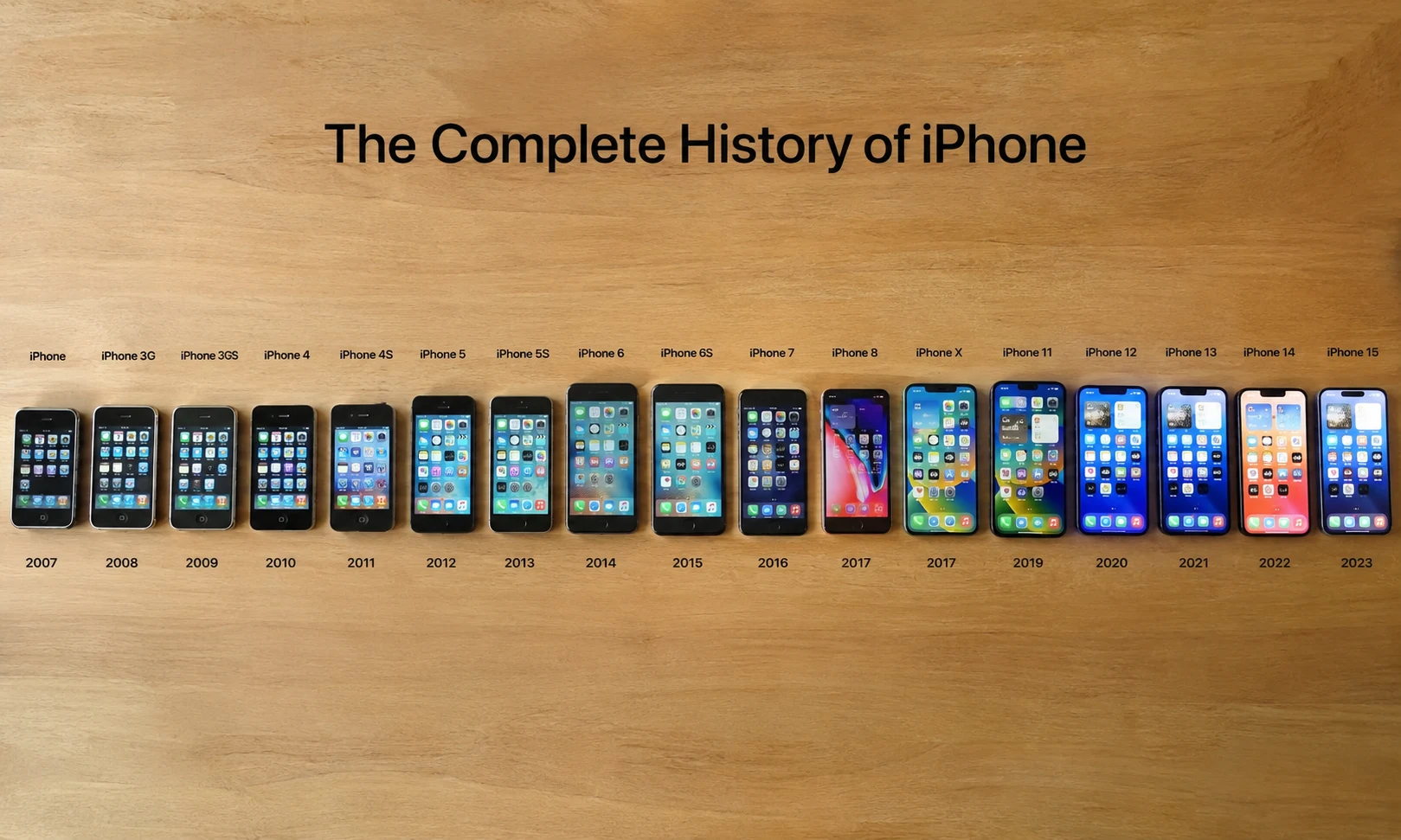
The Evolution of iPhone Models
The history of the iPhone is not just the story of a smartphone. It is the story of how one device changed communication, entertainment, business, photography, gaming, and even social media culture around the world. Since the first iPhone was introduced by entity[“people”,”Steve Jobs”,”Apple co-founder and former CEO”] in 2007, every new generation has brought major innovations that pushed the smartphone industry forward.
The original iPhone introduced a completely new way of using a mobile phone. Before it arrived, most phones depended on physical keyboards and small displays. Apple changed the market by introducing a large touchscreen with finger-based controls. This design quickly became the standard for modern smartphones.
Over the years, Apple continued improving the iPhone with faster processors, stronger cameras, better displays, improved security, and advanced software features. Every generation focused on refining the user experience while introducing technology that competitors later adopted.
The iPhone lineup evolved from a simple smartphone into an ecosystem connected with devices like Apple Watch, AirPods, MacBooks, and iPads. Features such as iCloud, App Store integration, FaceTime, and AirDrop made the iPhone central to millions of users’ digital lives.
Apple also expanded its iPhone lineup to target different audiences. Premium Pro models focused on photography and performance, while affordable versions like the iPhone SE brought the iPhone experience to budget-conscious users.
As technology advanced, iPhones became more powerful than many older computers. Today’s models support professional-level photography, 4K video editing, gaming, artificial intelligence features, and high-speed internet connectivity. The evolution of iPhone models shows how Apple continuously adapts to changing user needs while shaping the future of smartphones.
iPhone 3G and the Rise of Mobile Internet
The launch of the iPhone 3G in 2008 marked one of the most important moments in smartphone history. While the original iPhone introduced touchscreen innovation, the iPhone 3G transformed smartphones into internet-focused devices.
The biggest upgrade was support for 3G mobile networks. This allowed users to browse the internet, stream content, download apps, and check emails much faster than before. Mobile internet became more practical and useful for everyday activities.
Apple also introduced the App Store alongside the iPhone 3G. This completely changed the smartphone industry. Developers could now create apps for games, productivity, social media, photography, shopping, navigation, and entertainment.
The App Store rapidly expanded into a massive digital marketplace. Users no longer depended only on built-in phone features. Instead, they could customize their phones with thousands of apps based on their personal needs.
The iPhone 3G also improved GPS navigation, making map-based services more reliable. This helped pave the way for ride-sharing apps, delivery platforms, and location-based services that became essential in later years.
Social media platforms also benefited from the rise of mobile internet. Users could upload photos, browse Facebook, watch YouTube videos, and communicate online directly from their smartphones. This created the foundation for modern mobile-first internet culture.
The success of the iPhone 3G proved that smartphones were not just communication devices. They were becoming portable internet computers that could handle entertainment, business, and social networking.
iPhone 4 and Retina Display Technology
The release of the iPhone 4 in 2010 introduced one of Apple’s most important display innovations: the Retina Display. Apple claimed that the pixel density was so high that the human eye could no longer easily distinguish individual pixels at normal viewing distances.
This dramatically improved image sharpness, text clarity, and video quality. Reading articles, viewing photos, and watching videos became far more enjoyable. The Retina Display quickly became one of the iPhone’s biggest selling points.
The iPhone 4 also featured a major redesign with a glass front and back combined with a stainless-steel frame. Its premium appearance influenced smartphone design trends across the industry.
Another major improvement was the front-facing camera, which enabled FaceTime video calling. Video communication became more accessible for everyday users. Families, friends, and business professionals could connect visually through their smartphones.
The iPhone 4 camera also saw significant upgrades in image quality and video recording capabilities. Smartphone photography started becoming a realistic alternative to compact digital cameras.
Apple’s A4 processor improved overall speed and multitasking performance. Users experienced smoother app usage, faster browsing, and better gaming experiences.
The Retina Display influenced the entire tech industry. Competing smartphone companies began focusing heavily on display quality, leading to the development of OLED screens, high refresh rates, and advanced color technologies in future devices.
Siri and Voice Assistants
The introduction of Siri with the iPhone 4S in 2011 changed how users interacted with smartphones. Siri became one of the first mainstream voice assistants available on mobile devices.
Instead of typing commands manually, users could speak naturally to their phones. Siri could send messages, set reminders, make calls, answer questions, and provide weather updates using voice commands.
This technology introduced millions of people to artificial intelligence-powered assistants. Siri represented an early step toward the voice-controlled smart devices that are common today.
Apple continuously improved Siri with better speech recognition, language support, and integration with apps and services. Over time, Siri became capable of handling more complex requests and smart home controls.
Voice assistants changed smartphone accessibility for users with disabilities by making devices easier to operate without touch input.
Siri also inspired competitors to create their own assistants, including Google Assistant and Amazon Alexa. Voice interaction became an important feature across smartphones, smart speakers, cars, and home devices.
Although early versions of Siri had limitations, the technology demonstrated the growing role of AI in consumer electronics. Today, voice assistants continue evolving with machine learning and natural language processing.
The rise of Siri showed that smartphones were becoming smarter personal assistants capable of understanding human interaction beyond simple touch controls.
The Era of Bigger Screens
As smartphone usage increased, users wanted larger displays for watching videos, gaming, browsing social media, and multitasking. Apple responded by entering the era of bigger screens.
The iPhone 6 and iPhone 6 Plus introduced larger display sizes in 2014. This was a major shift because earlier iPhones focused on compact designs.
Larger screens improved media consumption, reading experiences, and gaming performance. Watching movies and browsing websites became more comfortable on mobile devices.
The iPhone 6 Plus also introduced optical image stabilization for better photography. This showed how larger devices could support advanced hardware features.
Apple later expanded bigger-screen technology with edge-to-edge displays on models like the iPhone X. By reducing bezels, Apple increased screen size without making devices excessively large.
OLED technology improved color accuracy, contrast, and brightness. The viewing experience became more immersive for entertainment and gaming.
Bigger screens also helped productivity. Users could edit documents, manage emails, attend video meetings, and perform business tasks more efficiently.
The rise of streaming platforms, mobile gaming, and social media apps further increased demand for larger smartphone displays. Today, big screens are considered standard across flagship smartphones.
Apple balanced larger displays with portability by introducing different model sizes, allowing users to choose devices that fit their preferences.
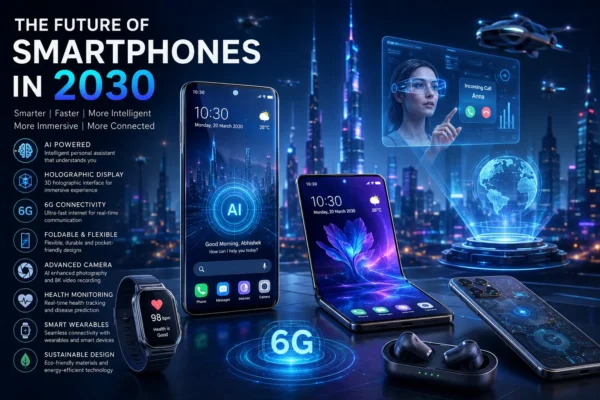
The Future of Smartphones in 2030: How Mobile Technology Will Transform Human Life
Touch ID and Face ID Innovations
Security became increasingly important as smartphones stored sensitive personal and financial information. Apple introduced major biometric security innovations with Touch ID and Face ID.
Touch ID first appeared on the iPhone 5S in 2013. It used a fingerprint sensor integrated into the Home button to unlock the device securely.
This technology made smartphone security faster and more convenient compared to traditional PIN codes and passwords. Users could unlock phones instantly using their fingerprints.
Touch ID also supported secure mobile payments through Apple Pay. This encouraged the growth of contactless payment systems around the world.
Apple later introduced Face ID with the iPhone X in 2017. Face ID used advanced facial recognition technology powered by the TrueDepth camera system.
The system projected thousands of invisible dots onto the user’s face to create a detailed 3D map. This made Face ID highly secure and difficult to fool.
Face ID worked even in low light conditions and adapted to appearance changes like glasses, hairstyles, or facial hair.
The removal of the Home button also allowed Apple to create edge-to-edge displays with thinner bezels.
Biometric security changed user expectations across the smartphone industry. Fingerprint sensors and facial recognition became common features on modern devices.
Apple’s focus on privacy and secure authentication helped strengthen trust in mobile banking, digital payments, and online account security.
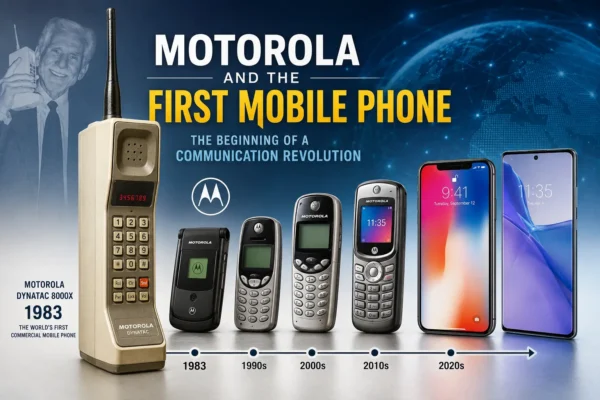
The Story of Motorola and the First Mobile Phone
Camera Technology Improvements
One of the biggest reasons behind the iPhone’s popularity is its camera evolution. Apple continuously improved camera technology, turning the iPhone into one of the world’s most popular photography devices.
Early iPhones had simple cameras mainly used for casual photography. Over time, Apple introduced larger sensors, improved image processing, optical stabilization, and advanced computational photography.
The iPhone 7 Plus introduced dual-camera technology, enabling portrait mode with blurred backgrounds. This created DSLR-like photography effects on smartphones.
Night Mode later improved low-light photography dramatically. Users could capture brighter and clearer images in dark environments without using flash.
Apple also enhanced video recording capabilities with features such as 4K
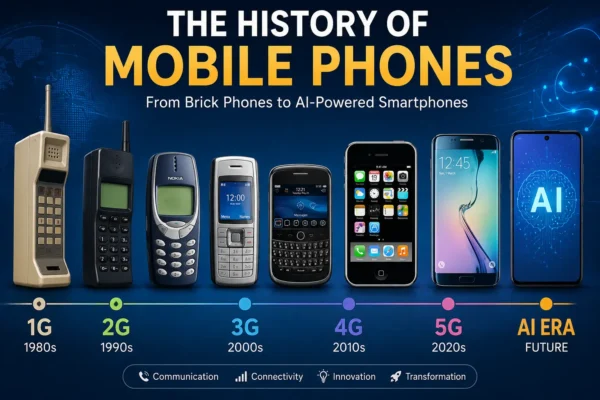
The History of Mobile Phones: From Brick Phones to AI-Powered Smartphones
The Growth of iOS
When Apple introduced the first iPhone in 2007, the operating system powering it was called iPhone OS. At the time, it was a simple yet revolutionary platform designed to make smartphones easier to use. Unlike many mobile operating systems of the era, iPhone OS focused on touch controls, smooth animations, and a clean interface. In 2010, Apple officially renamed it iOS, and since then it has become one of the most influential mobile operating systems in the world.
One of the biggest reasons for the growth of iOS was the App Store. Introduced in 2008, the App Store completely changed how people used smartphones. Instead of relying only on built-in applications, users could download apps for entertainment, productivity, education, health, gaming, banking, and social networking. Developers around the world quickly started creating apps, turning the iPhone into a platform with endless possibilities.
Apple’s focus on performance and optimization also helped iOS grow rapidly. Unlike some competitors, Apple controls both the hardware and software of the iPhone. This tight integration allows iOS to run smoothly even on older devices. Users appreciated the reliability, fast updates, and user-friendly design.
Over the years, iOS introduced many innovative features such as multitasking, Siri voice assistant, FaceTime video calling, widgets, Focus modes, Apple Pay, and advanced privacy controls. These features improved productivity and convenience for users worldwide.
Security became another major strength of iOS. Apple consistently emphasized privacy and data protection, making the platform trusted by businesses, professionals, and regular users alike. Features such as app tracking transparency and encrypted messaging strengthened Apple’s reputation for protecting user information.
The ecosystem surrounding iOS also contributed to its growth. iPhones work seamlessly with devices like iPads, Apple Watches, MacBooks, and AirPods. Features such as AirDrop, Handoff, and iCloud synchronization create a connected digital environment that keeps users within Apple’s ecosystem.
Today, iOS powers millions of devices worldwide and supports industries ranging from entertainment to healthcare and education. It continues to evolve with new technologies such as artificial intelligence, augmented reality, and machine learning, ensuring that the iPhone remains relevant in the future.
iPhone and Mobile Gaming
The iPhone completely transformed the gaming industry and played a major role in making mobile gaming one of the largest entertainment sectors in the world. Before smartphones became popular, mobile games were limited in graphics, controls, and gameplay. Most feature phones could only run simple games with basic visuals.
Everything changed with the arrival of the iPhone. Its touchscreen interface, powerful processor, and large display allowed developers to create more advanced and interactive games. The introduction of the App Store gave game developers an easy platform to distribute their games to millions of users globally.
One of the earliest successes was Angry Birds, which became a worldwide phenomenon. Soon after, games such as Temple Run, Subway Surfers, Clash of Clans, PUBG Mobile, and Call of Duty Mobile attracted millions of players. Mobile gaming became more accessible because users no longer needed expensive gaming consoles or PCs.
The iPhone also encouraged innovation in gaming controls. Developers used gestures, accelerometers, gyroscopes, and touch mechanics to create unique gaming experiences. Racing games allowed users to tilt their phones like steering wheels, while augmented reality games introduced new forms of interaction.
Apple’s continuous improvements in graphics performance helped mobile games become visually stunning. Modern iPhones feature advanced GPUs capable of console-level graphics, realistic lighting, and smooth frame rates. This has allowed developers to create open-world games and competitive multiplayer experiences.
The rise of online multiplayer gaming on iPhones also changed social interaction. Friends could connect, compete, and communicate from anywhere in the world. Mobile esports became increasingly popular, with tournaments offering large prize pools and attracting professional gamers.
Apple Arcade further expanded mobile gaming by offering premium games without advertisements or in-app purchases. This service provided high-quality gaming experiences for users who preferred subscription-based content.
Today, the iPhone is not just a communication device but also a powerful gaming platform. Mobile gaming generates billions of dollars annually and continues to grow as smartphone technology advances.
iPhone’s Impact on Social Media
The iPhone played a major role in the explosive growth of social media platforms across the world. Before smartphones became common, social media was mostly limited to desktop computers. Users had to log into websites from home or work, which restricted how often people interacted online.
With the launch of the iPhone, social media became portable and available at all times. Apps like Facebook, Instagram, Twitter, Snapchat, and TikTok became part of daily life because users could instantly share photos, videos, and updates from anywhere.
The iPhone’s high-quality camera made content creation easier than ever. Users no longer needed professional cameras to capture moments. They could take photos, edit them, and upload them within seconds. This convenience encouraged the rise of influencers, vloggers, and content creators.
Push notifications also changed user behavior. Social media platforms could instantly alert users about likes, comments, messages, and trending topics. This constant connectivity increased engagement and made social media more addictive and interactive.
The iPhone also helped popularize visual communication. Platforms such as Instagram and Snapchat focused heavily on images and short videos, which became easier to create with smartphone cameras. Video-based social media eventually became dominant, especially with the growth of TikTok and Instagram Reels.
Live streaming became another important trend. People could broadcast events, gaming sessions, or personal experiences directly from their iPhones. This changed journalism, entertainment, marketing, and even political communication.
Businesses also benefited greatly from the connection between iPhones and social media. Brands could advertise directly to users through apps and collaborate with influencers to promote products. Social commerce, where users purchase products directly through social platforms, became a major industry.
However, the impact of the iPhone on social media has also created challenges. Increased screen time, online addiction, misinformation, and privacy concerns have become serious issues in modern society. Despite these concerns, the iPhone remains one of the most important tools driving social media culture today.
The iPhone and the Photography Revolution
The iPhone revolutionized photography by transforming millions of ordinary users into photographers. Before smartphone cameras became advanced, people relied on dedicated digital cameras for high-quality photography. Carrying a separate camera everywhere was inconvenient, and many important moments were missed.
Apple changed this by continuously improving the iPhone camera with each new generation. Early iPhones featured simple cameras, but over time Apple introduced autofocus, HDR, optical image stabilization, portrait mode, night mode, and computational photography.
The convenience of having a powerful camera in a pocket-sized device changed how people captured memories. Users could instantly take photos, edit them, and share them online. This made photography more accessible to everyone.
The rise of social media further accelerated the photography revolution. Platforms like Instagram encouraged users to capture visually appealing photos and videos. The iPhone became one of the most commonly used cameras for content creation, travel photography, and lifestyle blogging.
Apple’s focus on computational photography allowed iPhones to produce impressive images even without large camera sensors. Artificial intelligence and machine learning improved details, lighting, skin tones, and low-light photography.
Video recording on the iPhone also reached professional levels. Features such as 4K recording, cinematic mode, and advanced stabilization enabled filmmakers and creators to produce high-quality content using only smartphones. Some independent movies and documentaries have even been filmed entirely on iPhones.
The iPhone also changed professional photography workflows. Photographers could edit images directly on their devices using apps like Lightroom and Snapseed. Cloud storage and instant sharing made collaboration easier than ever.
Today, smartphone photography dominates modern culture. Billions of photos are captured daily using iPhones and other smartphones. Apple continues to push camera innovation, ensuring that the iPhone remains a leader in mobile photography.
How the iPhone Changed Business and Communication
The introduction of the entity[“company”,”Apple Inc.”,”Technology company”] iPhone completely transformed the way businesses operate and how people communicate around the world. Before smartphones became common, business communication depended heavily on desktop computers, office telephones, emails accessed through laptops, and face-to-face meetings. The iPhone introduced a new era where work, communication, entertainment, and productivity could all happen from a device small enough to fit in a pocket.
When the first entity[“product”,”Apple iPhone”,”Original smartphone released in 2007″] was launched in 2007, many people viewed it as a premium mobile phone with internet access and multimedia features. However, over time it became much more than that. Businesses quickly realized that smartphones could improve productivity, allow employees to work remotely, and make communication faster and more efficient.
The Rise of Mobile Business Communication
One of the biggest ways the iPhone changed business was by making communication instant and portable. Employees no longer needed to stay in offices to check emails or attend meetings. With applications such as email clients, messaging platforms, and video calling tools, professionals could stay connected from anywhere.
The growth of mobile internet and high-speed data networks allowed the iPhone to become a portable office. Business owners could manage teams, respond to clients, track sales, and monitor projects directly from their phones. Executives traveling between countries could participate in meetings through video conferencing apps without carrying heavy laptops.
Applications like Zoom, Slack, Microsoft Teams, and Google Meet became widely used because smartphones made remote collaboration easier. During the COVID-19 pandemic, the importance of mobile communication became even clearer, as millions of people worked from home using smartphones and tablets.
Email and Instant Messaging Revolution
Before smartphones, email communication was mostly limited to computers. The iPhone allowed users to receive and send emails instantly. Push notifications meant that important messages could be answered immediately, increasing the speed of business operations.
Instant messaging apps also changed communication habits. Applications like WhatsApp, Telegram, and iMessage made communication faster and cheaper than traditional SMS services. Businesses started using messaging apps for customer support, marketing, and internal communication.
Today, many small businesses operate almost entirely through smartphones. Shop owners, freelancers, and online sellers often manage orders, payments, and customer communication directly through mobile apps.
Social Media and Digital Marketing
The iPhone also played a major role in the growth of social media marketing. Platforms like Facebook, Instagram, TikTok, and X became central to business promotion because smartphones allowed users to create and consume content at any time.
Companies began investing heavily in mobile advertising. Businesses now design websites and advertisements specifically for smartphone users because mobile traffic dominates internet usage in many countries.
Influencer marketing also became popular because smartphone cameras and social apps allowed creators to produce professional-looking content without expensive equipment. Small businesses could suddenly reach global audiences through social media platforms.
Mobile Payments and Digital Commerce
Another major transformation caused by the iPhone was the growth of mobile payments and digital commerce. Services such as Apple Pay, PayPal, Google Pay, and banking apps made financial transactions faster and safer.
Customers can now shop online, pay bills, transfer money, and invest using mobile apps. Restaurants, taxi services, delivery companies, and online stores all depend heavily on smartphone users.
The rise of e-commerce companies was strongly connected to smartphone adoption. Apps from companies like Amazon, Flipkart, Uber, and food delivery platforms became part of daily life because smartphones made these services accessible everywhere.
Remote Work and Productivity
The iPhone contributed greatly to the remote work culture. Cloud computing and productivity apps enabled workers to access files, communicate with teams, and complete tasks from any location.
Apps such as Google Drive, Dropbox, Microsoft Office, and project management platforms turned smartphones into productivity tools. Employees can now edit documents, share files, schedule meetings, and manage tasks while traveling.
This flexibility improved work efficiency for many industries. Freelancers, digital marketers, content creators, and entrepreneurs especially benefited from mobile technology.
Impact on Customer Service
Businesses also changed the way they interact with customers because of smartphones. Companies now provide customer support through apps, chatbots, social media messages, and live chat services.
Consumers expect quick responses and real-time communication. Brands that respond quickly through mobile platforms often gain better customer satisfaction and loyalty.
Businesses also use mobile apps to send notifications, discounts, and updates directly to users. This direct connection between brands and customers became one of the most powerful marketing tools in the modern digital economy.
The Future of Mobile Business Communication
The influence of the iPhone on business communication continues to grow. Technologies like artificial intelligence, augmented reality, and 5G networks are making smartphones even more powerful.
Future iPhones may become central devices for virtual offices, AI assistants, and advanced business automation. The smartphone is no longer just a communication device—it is a business tool, productivity center, and digital identity for millions of people worldwide.
iPhone Accessories and Ecosystem
One of the biggest reasons for the success of the entity[“product”,”Apple iPhone”,”Smartphone product line”] is the massive ecosystem built around it. Unlike many smartphones that focus only on hardware, Apple created a complete ecosystem of accessories, software, and connected devices that work together smoothly.
This ecosystem encourages users to stay within Apple’s product family because the devices are designed to connect seamlessly. Over the years, Apple transformed the iPhone from a standalone smartphone into the center of a connected digital lifestyle.
The Growth of Apple’s Ecosystem
The Apple ecosystem includes products such as the iPad, MacBook, Apple Watch, AirPods, Apple TV, and HomePod. These devices are designed to work together through features like AirDrop, Handoff, iCloud, and Continuity.
For example, users can start writing an email on their iPhone and continue it on a MacBook. Photos taken on the iPhone automatically sync across Apple devices through iCloud.
This seamless experience became one of Apple’s strongest advantages over competitors.
AirPods and Wireless Audio Revolution
The launch of entity[“product”,”Apple AirPods”,”Wireless earbuds”] changed the wireless audio industry. AirPods became extremely popular because of their easy pairing process, sound quality, portability, and integration with the iPhone.
The removal of the headphone jack from the iPhone 7 initially received criticism, but it accelerated the adoption of wireless audio devices worldwide. Today, wireless earbuds are one of the most popular smartphone accessories.
Apple also introduced features like spatial audio, active noise cancellation, and voice assistant integration, further improving the listening experience.
Apple Watch and Health Technology
The entity[“product”,”Apple Watch”,”Smartwatch product line”] became another major accessory connected to the iPhone ecosystem. It transformed the smartwatch industry by combining communication, health tracking, and fitness monitoring.
Users can receive notifications, answer calls, track workouts, monitor heart rate, and use health-related features directly from their wrists. The Apple Watch also strengthened Apple’s position in digital health technology.
Health features such as ECG monitoring, fall detection, and sleep tracking made wearable technology more useful for everyday consumers.
MagSafe and Charging Accessories
Apple introduced MagSafe technology to improve wireless charging and accessory attachment. MagSafe allows chargers, wallets, power banks, and stands to connect magnetically to the iPhone.
This created an entirely new accessory market. Third-party companies started producing MagSafe-compatible products, expanding the ecosystem even further.
Wireless charging also became more common because users preferred convenient charging solutions over traditional cables.
Protective Cases and Customization
The iPhone accessory industry includes billions of dollars in sales from cases, screen protectors, chargers, camera accessories, and skins.
Many consumers buy premium cases to protect their expensive devices while also expressing personal style. Luxury brands, gaming companies, and fashion labels often collaborate with accessory manufacturers to create custom iPhone products.
App Store and Software Ecosystem
The App Store is another important part of the iPhone ecosystem. Millions of apps are available for entertainment, education, productivity, photography, finance, gaming, and social media.
Developers around the world earn income by creating applications for iPhone users. The App Store helped create a massive mobile economy that supports businesses, creators, and software companies.
Subscription services like Apple Music, Apple TV+, Apple Arcade, and iCloud also strengthen the ecosystem by connecting users to Apple’s digital services.
Why the Ecosystem Matters
The strength of Apple’s ecosystem increases customer loyalty. Many users who own one Apple device eventually purchase additional products because of the convenience of integration.
This ecosystem strategy helped Apple become one of the world’s most valuable companies. Instead of selling only hardware, Apple created a complete digital environment that keeps users connected across devices and services.
The iPhone remains at the center of this ecosystem, acting as the main control hub for communication, entertainment, productivity, and smart devices.
Competition With Android Smartphones
When the iPhone entered the market in 2007, it completely changed the smartphone industry. However, the rise of Android smartphones created one of the biggest technology rivalries in history. The competition between Apple’s iPhone and Android devices has shaped innovation, pricing, design, software development, and consumer choices for more than a decade.
Android, developed by Google, was introduced as an open-source mobile operating system that manufacturers could freely use. This approach allowed companies such as Samsung, Xiaomi, OnePlus, Motorola, and Oppo to create smartphones for every price range. Unlike Apple, which focused mainly on premium devices, Android brands targeted both budget and flagship markets.
One major difference between Android and iPhone devices is customization. Android users can personalize almost every part of their phones, including themes, widgets, launchers, and default apps. Apple, on the other hand, focuses on simplicity, consistency, and a controlled ecosystem. Many users prefer Android for flexibility, while others prefer iPhone for smooth performance and long-term software support.
The competition also pushed hardware innovation. Android manufacturers were often first to introduce larger screens, foldable displays, high-refresh-rate screens, and fast charging technologies. Apple later refined many of these features and integrated them into the iPhone ecosystem with strong optimization.
Camera technology became another major battleground. Android brands introduced high-megapixel sensors, zoom lenses, and AI photography features, while Apple focused on realistic image processing, video quality, and professional-level camera tools. Today, both platforms compete heavily in computational photography and mobile videography.
App ecosystems also became important. The Apple App Store is known for strict quality control and security standards, while the Google Play Store offers greater openness and flexibility for developers. This difference reflects the overall philosophy of both platforms.
Pricing remains one of Android’s biggest advantages. Android phones are available from very affordable models to ultra-premium flagships. Apple maintains a premium pricing strategy, which helps preserve its brand value and ecosystem loyalty.
Despite intense competition, the rivalry between Android and iPhone has benefited consumers. Both ecosystems continuously improve because they compete with each other in design, software, battery life, AI features, gaming performance, and camera quality. The smartphone market today is more advanced largely because of this ongoing competition.
Manufacturing and Global Supply Chain
The iPhone is not just a smartphone; it is also one of the most complex products ever manufactured. Behind every iPhone is a massive global supply chain involving hundreds of companies, thousands of factories, and millions of workers across different countries.
Although iPhones are designed by Apple in the United States, many components are produced internationally. Processors are designed by Apple but manufactured by companies like TSMC in Taiwan. Display panels are supplied by firms such as Samsung and LG from South Korea. Camera components, batteries, sensors, and memory chips come from multiple countries including Japan, China, and the United States.
Most iPhones are assembled in large factories operated by companies like Foxconn and Pegatron. These factories are primarily located in China, although Apple has increasingly expanded manufacturing to countries such as India and Vietnam to reduce dependency on a single region.
India has become an important manufacturing hub for Apple in recent years. Several iPhone models are now assembled in Indian factories, helping Apple serve local demand while reducing import costs. This expansion also supports India’s growing electronics manufacturing sector and creates employment opportunities.
The global supply chain allows Apple to produce millions of iPhones every year at massive scale. However, this system also creates challenges. Events such as pandemics, political tensions, chip shortages, and shipping disruptions can affect production and delivery schedules worldwide.
Environmental concerns are another major issue. Manufacturing smartphones requires rare earth materials, energy-intensive factories, and large transportation networks. Apple has responded by investing in recycled materials, renewable energy projects, and carbon reduction initiatives. The company also encourages recycling through trade-in programs and repair services.
Labor conditions in factories have also received global attention. Over the years, Apple suppliers faced criticism regarding worker safety, wages, and working hours. In response, Apple introduced supplier responsibility programs and audits aimed at improving factory conditions.
The iPhone supply chain demonstrates how modern technology products rely on international cooperation. A single iPhone may contain parts from dozens of countries before reaching customers around the world. This complex manufacturing system highlights the global nature of today’s technology industry.
Privacy and Security Features
Privacy and security have become some of the most important features of modern smartphones, and the iPhone is widely recognized for emphasizing user protection. Apple has built much of its brand identity around the idea that user data should remain secure and private.
One of the biggest security innovations introduced by the iPhone was biometric authentication. Apple launched Touch ID with the iPhone 5s, allowing users to unlock devices using fingerprints. Later, Apple introduced Face ID, which uses advanced facial mapping technology for secure authentication.
Apple also focuses heavily on encryption. Data stored on iPhones is encrypted, making it extremely difficult for unauthorized users to access personal information. Features such as end-to-end encryption in services like iMessage and FaceTime help protect conversations from interception.
The App Store review process is another major security layer. Apple carefully reviews applications before they become available to users, reducing the risk of malware and harmful software. While no platform is completely immune to threats, the iPhone ecosystem is generally considered safer because of Apple’s strict control over apps and system access.
Privacy features have expanded significantly over the years. Apple introduced App Tracking Transparency, allowing users to decide whether apps can track their activity across websites and applications. This feature changed the digital advertising industry and increased awareness about online privacy.
The iPhone also provides privacy indicators that show when apps access the microphone or camera. Users can control app permissions for location, photos, contacts, and other sensitive information directly from settings.
Apple’s focus on on-device processing is another important privacy strategy. Features like voice recognition and photo analysis increasingly happen directly on the iPhone instead of sending large amounts of data to cloud servers. This reduces the amount of personal information shared externally.
Security updates are equally important. Apple provides regular iOS updates for many years, helping older iPhones stay protected against new threats. Long-term software support is one reason many users trust the iPhone ecosystem.
However, Apple’s privacy policies have also sparked debates. Some critics argue that Apple still collects certain analytics data, while others believe the company’s closed ecosystem limits user freedom. Despite these discussions, Apple remains one of the strongest advocates of smartphone privacy in the technology industry.
As cyber threats continue to grow, privacy and security features will remain critical in the future of smartphones. The iPhone’s emphasis on protecting personal information has influenced the entire industry, encouraging competitors to improve their own security standards as well.
Environmental Initiatives by Apple
Over the years, Apple has increasingly focused on environmental responsibility and sustainability. As smartphones became one of the most widely used consumer products in the world, concerns about electronic waste, carbon emissions, and resource consumption also grew. Apple responded by introducing multiple environmental initiatives aimed at reducing the ecological impact of the iPhone and its entire product ecosystem.
One of Apple’s biggest goals is becoming carbon neutral across its entire business, manufacturing supply chain, and product life cycle. The company has already reduced emissions through renewable energy projects, recycled materials, and energy-efficient manufacturing processes. Apple offices, stores, and data centers in many countries now run on 100% renewable electricity.
Apple also introduced recycled materials into iPhone production. Modern iPhone models contain recycled aluminum, recycled rare earth elements, and recycled tungsten. The company even developed advanced recycling robots such as Daisy, which can disassemble old iPhones and recover valuable materials for reuse. This initiative helps reduce electronic waste while lowering the demand for mining new raw materials.
Packaging has also changed significantly. Apple reduced the size of iPhone boxes and removed plastic wrapping from many products. One of the most discussed decisions was the removal of chargers and earphones from iPhone boxes beginning with the iPhone 12 series. Apple stated that this move reduced packaging waste and transportation emissions because smaller boxes allowed more products to be shipped together. Although some users criticized the decision, it highlighted Apple’s push toward environmentally conscious business practices.
The company has also encouraged users to recycle older devices through trade-in programs. Customers can exchange old iPhones for discounts on new products, ensuring devices are either refurbished or responsibly recycled. This approach supports a circular economy and extends the lifespan of electronic devices.
Water conservation and cleaner manufacturing methods are also part of Apple’s environmental strategy. Many suppliers now participate in clean energy programs and sustainable water management systems. Apple regularly publishes environmental progress reports detailing carbon reductions, renewable energy usage, and sustainability goals.
Despite criticism regarding repairability and product longevity debates, Apple remains one of the most environmentally vocal technology companies in the world. Its environmental policies have also influenced competitors across the smartphone industry, encouraging broader adoption of greener manufacturing practices.
The Future of the iPhone
The future of the iPhone looks highly innovative as smartphone technology continues evolving rapidly. Since the launch of the first iPhone in 2007, Apple has consistently introduced new technologies that reshape the mobile industry. Future iPhones are expected to become more powerful, intelligent, immersive, and deeply integrated into daily human life.
One major area of development is artificial intelligence. Apple is expected to expand AI-powered features across iOS and future iPhones. Voice assistants, photography, battery management, productivity tools, and personal recommendations will likely become more intelligent and personalized. AI could transform the iPhone into a more proactive digital assistant capable of understanding user habits and automating complex tasks.
Foldable and flexible display technology may also play a role in future iPhone designs. Many smartphone companies are experimenting with foldable devices, and industry rumors suggest Apple is exploring similar innovations. A foldable iPhone could combine the portability of a smartphone with the larger display experience of a tablet.
Camera technology will continue improving significantly. Future iPhones may include advanced computational photography, AI-enhanced video production, better zoom systems, and professional-grade filmmaking capabilities. Apple has already transformed smartphones into powerful photography tools, and future innovations could reduce the gap between phones and dedicated cameras even further.
Battery technology is another important focus. Future iPhones may feature longer battery life, faster wireless charging, and improved energy efficiency. Research into solid-state batteries and alternative charging technologies could eventually reshape how smartphones are powered.
Augmented reality (AR) is expected to become a major part of Apple’s ecosystem. Future iPhones may work more closely with AR glasses and wearable devices, blending digital content with the real world. Apple has already introduced AR features through ARKit, and future devices may provide fully immersive experiences for gaming, education, shopping, navigation, and communication.
Security and privacy will likely remain core strengths of the iPhone. Apple has consistently promoted privacy-focused features, and future iPhones may include stronger biometric authentication, encrypted AI processing, and improved user data protection systems.
Connectivity will also evolve with faster wireless technologies beyond 5G. Future iPhones may support advanced satellite communication, improved cloud computing integration, and smarter device-to-device communication. These technologies could improve internet access, emergency communication, and real-time digital experiences worldwide.
Another possible direction is the reduction of physical components. Apple may eventually create a completely portless iPhone that relies entirely on wireless charging and cloud-based connectivity. Future devices may also use more durable materials and eco-friendly manufacturing techniques to support sustainability goals.
The iPhone will likely remain central to Apple’s broader ecosystem, connecting seamlessly with products such as the Apple Watch, AirPods, MacBook, and future wearable technologies. This interconnected ecosystem continues to strengthen customer loyalty and expand Apple’s influence across the technology industry.
As technology advances, the iPhone may evolve from a smartphone into a more universal computing device that combines communication, entertainment, productivity, health monitoring, and augmented reality into a single platform.
Conclusion
The history of the iPhone is one of the most remarkable success stories in modern technology. From its revolutionary debut in 2007 to today’s advanced AI-powered smartphones, the iPhone has continuously transformed how people communicate, work, learn, shop, and entertain themselves.
Apple’s innovations in touchscreen design, mobile applications, camera systems, biometric security, and ecosystem integration helped redefine the smartphone industry. Features that once seemed futuristic — such as facial recognition, mobile payments, voice assistants, and professional-quality mobile photography — are now part of everyday life largely because of the iPhone’s influence.
The iPhone also changed global business practices, social media culture, digital content creation, and mobile gaming. Entire industries grew around app development, smartphone accessories, influencer marketing, and mobile entertainment. Millions of businesses worldwide now depend on smartphones for communication, marketing, and commerce.
At the same time, the iPhone created intense competition within the technology sector, especially against Android manufacturers. This competition accelerated innovation across the entire smartphone market, benefiting consumers with faster technological advancements and better devices.
Apple’s focus on privacy, premium design, software optimization, and ecosystem integration continues to differentiate the iPhone from competitors. Environmental initiatives and sustainability efforts are also shaping the company’s long-term vision for future products.
Looking ahead, the iPhone is expected to continue evolving through artificial intelligence, augmented reality, wearable integration, and next-generation connectivity technologies. Even after nearly two decades, the iPhone remains one of the most influential consumer products ever created.
The journey of the iPhone is not just the story of a smartphone — it is the story of how technology transformed modern human life.
[…] The Complete History of the iPhone […]