Table of Contents
- Introduction
- The Evolution of Smartphones
- Artificial Intelligence Will Control Smartphones
- Personalized AI Companions
- Foldable and Rollable Smartphones
- Holographic Display Technology
- Smartphones May Replace Computers
- Battery Technology Will Improve Dramatically
- Future Battery Innovations
- 6G and Ultra-Fast Connectivity
- Augmented Reality and Virtual Reality
- Future AR Applications
- Smartphones and Smart Wearables
- Camera Technology Will Reach New Levels
- Biometric Security Will Become Stronger
- Eco-Friendly Smartphones
- The Rise of Brain-Computer Interfaces
- Health Monitoring Through Smartphones
- Smartphones in Education
- The Impact on Jobs and Business
- Privacy Challenges in 2030
- The Future of Gaming on Smartphones
- Smart Cities and Smartphone Integration
- Will Smartphones Still Exist in 2030?
- Challenges Facing Future Smartphones
- How Smartphones Will Change Human Life
- Conclusion
Introduction
Hello readers, my name is Abhishek Gupta, and in this article I will explore one of the most exciting topics in modern technology — the future of smartphones in 2030. Smartphones have already transformed the world in ways people could never imagine a few decades ago. Today, these devices are not just used for calling or texting; they have become an important part of daily life. From online education and business to entertainment, gaming, healthcare, photography, and communication, smartphones now control many aspects of the modern world.
Technology is evolving faster than ever before. Every year, companies introduce smarter processors, better cameras, artificial intelligence features, foldable screens, and faster internet connectivity. Leading technology companies like Apple, Samsung, Google, and Xiaomi are constantly working to create devices that are more intelligent, powerful, and futuristic.
By the year 2030, smartphones may become far more advanced than the devices we use today. Future smartphones could feature holographic displays, AI-powered personal assistants, advanced biometric security, foldable or transparent screens, brain-computer interfaces, and even health monitoring systems capable of detecting diseases early. Smartphones may also become deeply connected with smart homes, smart cities, wearable devices, and cloud-based AI systems.
The future of smartphones is not only about better hardware or faster performance. It is also about how technology will change human lifestyles, communication, education, business, healthcare, and society itself. While future innovations may improve convenience and productivity, they may also create new challenges related to privacy, cybersecurity, digital addiction, and environmental sustainability.
In this article, I will discuss how smartphones may evolve by 2030, the technologies expected to shape the future mobile industry, the biggest challenges facing smartphone development, and how these devices could transform human life in the coming years.
The Evolution of Smartphones
The journey of smartphones has been one of the fastest technological transformations in human history. Early mobile phones were mainly designed for voice communication and were extremely expensive, heavy, and limited in functionality. Most people could only use them for calling because there were no advanced applications, internet services, or touchscreens.
During the late 1990s and early 2000s, mobile phones slowly started gaining features like text messaging, small cameras, music playback, internet browsing, and color displays. Devices became smaller, cheaper, and more accessible to the public.
A major turning point came when the iPhone introduced a modern touchscreen experience combined with app-based functionality. Soon after, Android smartphones expanded globally because they offered affordable options for millions of users worldwide.
Modern smartphones now include:
- Artificial intelligence systems
- High-resolution cameras
- Cloud computing
- Fast processors
- Mobile payment systems
- Social media integration
- Professional video editing
- GPS navigation
- Advanced gaming features
- Voice assistants
This rapid evolution shows that smartphones are no longer simple communication tools. They are becoming digital ecosystems that control almost every part of daily life.
By 2030, this evolution is expected to continue even faster because of advancements in AI, networking, hardware engineering, and cloud computing technologies.
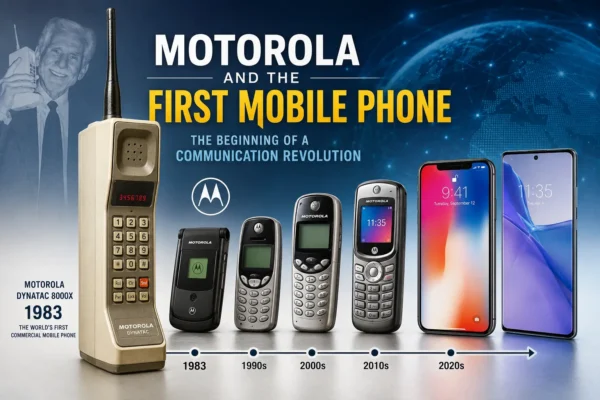
The Story of Motorola and the First Mobile Phone
Artificial Intelligence Will Control Smartphones
Artificial Intelligence will become the core technology behind future smartphones. AI is already integrated into many smartphone features today, but in 2030 it may become deeply connected to every function of the device.
Current AI features include:
- Face unlock systems
- Smart photography
- Voice assistants
- Predictive typing
- Recommendation systems
- Language translation
However, future AI systems may become far more advanced and capable of understanding human behavior in real time.
Personalized AI Companions
Instead of acting like simple assistants, future smartphones may behave like intelligent companions. AI systems could learn user habits, emotions, schedules, interests, and health conditions.
For example, smartphones may:
- Automatically organize work schedules
- Suggest better sleeping habits
- Detect stress through voice analysis
- Manage emails and meetings
- Provide emotional support
- Create personalized entertainment recommendations
- Monitor productivity levels
AI may also improve communication by translating conversations instantly across different languages. This could remove language barriers worldwide and improve international collaboration.
Future smartphones may even predict user needs before commands are given. For example, if traffic conditions worsen, the phone may automatically recommend leaving early for work.
The smartphone of 2030 may become more like a digital personal assistant than a traditional device.
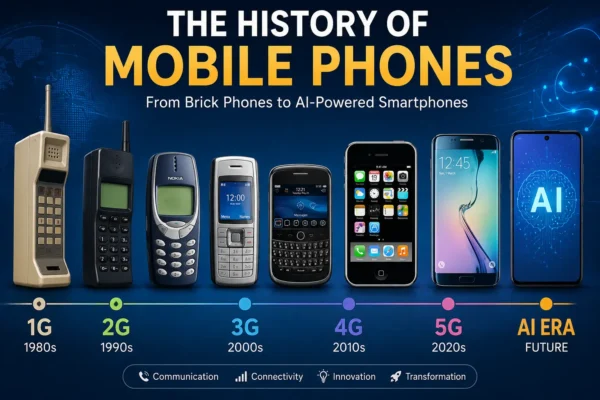
The History of Mobile Phones: From Brick Phones to AI-Powered Smartphones
Foldable and Rollable Smartphones
Foldable smartphone technology is still developing today, but by 2030 it could become completely mainstream. Flexible display technology is advancing rapidly, allowing manufacturers to experiment with new device designs.
Companies such as Samsung and Huawei are already investing heavily in foldable and rollable devices.
Future smartphones may feature:
- Foldable tablet-style screens
- Rollable displays
- Stretchable OLED technology
- Transparent displays
- Multi-screen designs
These innovations could completely transform portability and productivity.
Imagine carrying a compact smartphone in your pocket that unfolds into a large tablet for gaming, business work, or movie streaming. Users may no longer need separate tablets or laptops for many tasks.
Flexible display technology could also improve durability because future materials may resist cracking and damage better than current glass screens.
Foldable devices may become especially popular among professionals, students, gamers, and content creators who need larger screens without carrying multiple gadgets.
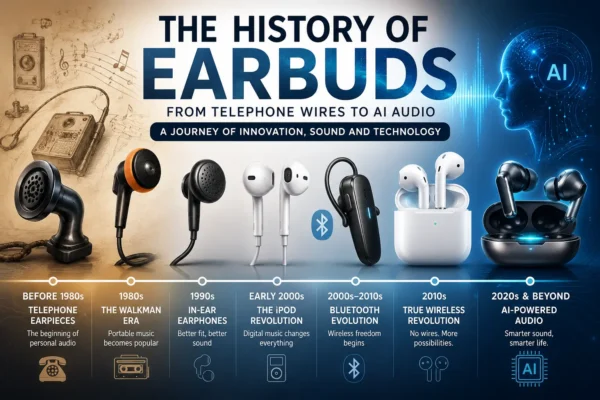
The History of Earbuds: From Telephone Wires to AI Audio
Holographic Display Technology
One of the most futuristic smartphone technologies expected by 2030 is holographic display systems. Instead of interacting only with flat screens, users may communicate with floating 3D holograms.
Holographic technology could revolutionize:
- Video calls
- Gaming
- Online education
- Virtual meetings
- Medical visualization
- Product design
For example, during a holographic video call, a 3D projection of another person could appear directly in front of the user.
Future smartphones may project virtual keyboards, allowing users to type on surfaces without physical hardware. Gaming experiences may also become highly immersive through interactive holographic environments.
Businesses could use holographic presentations for remote collaboration. Teachers might explain complex subjects using 3D educational models projected from smartphones.
Although this technology is still developing, improvements in AR, AI, and projection systems may make holographic smartphones possible by 2030.
Smartphones May Replace Computers
Modern smartphones are becoming increasingly powerful every year. Many flagship devices already contain processors capable of handling professional tasks.
By 2030, smartphones may completely replace traditional computers for many users.
Future smartphones may support:
- Professional video editing
- Software development
- AI-powered design tools
- 3D rendering
- Advanced multitasking
- High-end gaming
- Cloud computing systems
Users may connect smartphones wirelessly to monitors, keyboards, projectors, and office environments.
This shift could reduce the need for large desktop setups. Instead of carrying laptops, people may use a single smartphone as their primary computing device.
Cloud computing will also play a major role. Heavy tasks could be processed remotely through cloud servers while the smartphone acts as the control center.
For businesses and students, this could lower costs and increase mobility.
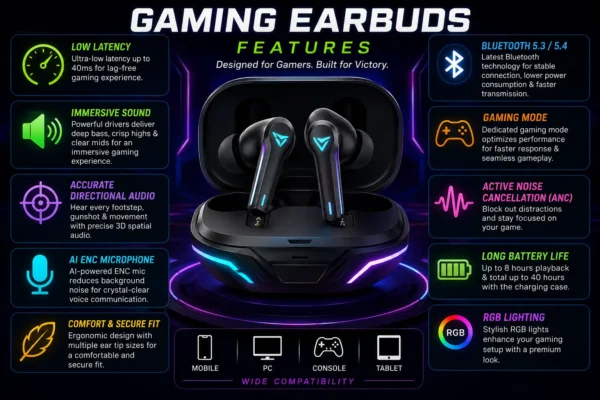
Best Gaming Earbuds in 2026 – Complete Guide for Mobile, PC & Esports Gamers
Battery Technology Will Improve Dramatically
Battery technology is one of the biggest limitations in modern smartphones. Even high-end devices often struggle with battery life during heavy usage.
By 2030, major breakthroughs in battery science may solve many of these problems.
Future Battery Innovations
Expected advancements include:
- Solid-state batteries
- Faster charging speeds
- Wireless room charging
- Solar-assisted charging
- AI battery optimization
- Longer battery lifespan
Solid-state batteries are considered safer and more efficient than current lithium-ion batteries. They may provide longer battery life and reduced overheating.
Charging technology may also become extremely fast. Some future smartphones could potentially charge fully within a few minutes.
Wireless charging may improve to the point where users no longer need charging cables. Phones could charge automatically while placed inside rooms, cars, or public spaces equipped with wireless power systems.
Better batteries will support power-hungry technologies like AI processing, holographic displays, and advanced gaming.
6G and Ultra-Fast Connectivity
Internet connectivity will play a major role in the smartphone industry of 2030.
While many countries are still expanding 5G networks today, researchers are already working on 6G technology.
6G may offer:
- Extremely high internet speeds
- Near-zero latency
- Instant cloud computing
- Better AI integration
- Improved smart city communication
- Advanced AR and VR performance
This could completely transform mobile experiences.
For example:
- Cloud gaming may feel identical to console gaming.
- Virtual meetings could become holographic and realistic.
- AI assistants may process massive data instantly.
- Remote surgeries may become safer through ultra-fast networks.
6G may also improve communication between smartphones and smart devices such as autonomous vehicles, robots, drones, and smart homes.
The future internet ecosystem may become deeply connected through smartphones.
Augmented Reality and Virtual Reality
Augmented Reality (AR) and Virtual Reality (VR) are expected to become central smartphone features by 2030.
Current AR systems are mainly used in gaming and shopping applications, but future technologies may become far more immersive and practical.
Future AR Applications
Future smartphones may:
- Display navigation directions directly on roads
- Translate foreign signs instantly
- Show virtual furniture inside homes
- Create virtual classrooms
- Enable interactive tourism experiences
- Provide advanced medical training
VR technology may also become more affordable and powerful.
Smartphones could power lightweight VR headsets capable of creating highly realistic digital worlds.
Industries likely to benefit include:
- Education
- Gaming
- Healthcare
- Architecture
- Tourism
- Entertainment
- Business collaboration
AR and VR could blur the line between physical and digital environments.
Smartphones and Smart Wearables
Future smartphones will likely become central hubs for wearable technology ecosystems.
Instead of relying only on handheld devices, users may interact through:
- Smart glasses
- Smart rings
- Smartwatches
- Smart clothing
- Brain sensors
These devices may connect seamlessly with smartphones to create intelligent environments.
For example:
- Smart glasses may display notifications directly in front of the eyes.
- Smart rings may control devices through gestures.
- Smart clothing may monitor health conditions continuously.
Future smartphones could process data from all connected wearables and provide personalized recommendations.
This interconnected ecosystem may create highly intelligent digital lifestyles.
Camera Technology Will Reach New Levels
Smartphone cameras have improved dramatically over the past decade. By 2030, smartphone photography may rival professional cinema equipment.
Future camera systems may include:
- AI-enhanced photography
- Holographic video capture
- Advanced zoom systems
- Real-time cinematic effects
- Ultra-low-light imaging
- 3D recording technology
Artificial intelligence may automatically edit photos and videos professionally.
Users may create studio-quality content directly from smartphones without expensive equipment.
Social media creators, filmmakers, vloggers, journalists, and businesses will benefit enormously from these advancements.
Future smartphones may also include advanced sensors capable of depth mapping and real-time environmental analysis.
Biometric Security Will Become Stronger
Security will become increasingly important as smartphones store more personal information.
Future smartphones may use advanced biometric systems such as:
- Retina scanning
- Voice identification
- Heartbeat recognition
- Behavioral analysis
- Facial mapping
- Finger vein scanning
Passwords may gradually disappear entirely.
AI security systems could continuously monitor user behavior patterns to detect suspicious activity instantly.
Future smartphones may protect:
- Banking information
- Cryptocurrency wallets
- Government IDs
- Medical records
- Personal files
As cybercrime grows more sophisticated, smartphone security systems must become smarter and more adaptive.
Eco-Friendly Smartphones
Environmental concerns are becoming increasingly important in the technology industry.
By 2030, smartphone manufacturers may focus heavily on sustainability and reducing electronic waste.
Future eco-friendly smartphones may include:
- Recycled materials
- Biodegradable packaging
- Modular repairable designs
- Energy-efficient processors
- Longer software support
Governments and consumers are demanding more environmentally responsible technology products.
Repair-friendly smartphones may reduce waste by allowing users to replace damaged components instead of buying new devices.
Companies may also improve recycling systems for old smartphones and batteries.
Sustainability may become one of the biggest selling points for future smartphones.
The Rise of Brain-Computer Interfaces
Brain-computer interface technology sounds futuristic, but research is already progressing rapidly.
Future smartphones may support limited mind-controlled interactions.
Possible features include:
- Thought-based typing
- Accessibility tools for disabled users
- Hands-free gaming
- Faster communication systems
- AI-assisted neural interaction
Although early versions may be limited, this technology could completely transform human-device interaction.
Brain-computer systems may especially help people with physical disabilities communicate more effectively.
If successful, this could become one of the biggest technological revolutions of the century.
Health Monitoring Through Smartphones
Healthcare technology may become one of the most valuable smartphone features by 2030.
Future smartphones could continuously monitor:
- Heart rate
- Blood pressure
- Oxygen levels
- Sleep quality
- Stress levels
- Mental health indicators
AI-powered health systems may detect early signs of illness and recommend medical attention before conditions become serious.
Remote healthcare services could become more accessible through smartphones, especially in rural or underdeveloped regions.
Future smartphones may also connect directly with hospitals, doctors, and emergency systems.
This could improve preventive healthcare and reduce medical costs globally.
Smartphones in Education
Education is changing rapidly because of digital technology.
By 2030, smartphones may become advanced educational platforms powered by AI.
Students may use smartphones for:
- Personalized learning
- AI tutoring
- Virtual science labs
- Language learning
- Interactive simulations
- Global online classrooms
AI teachers may adapt lessons according to each student’s strengths and weaknesses.
Students from remote villages or developing countries could gain access to world-class education through smartphones.
Education may become more accessible, affordable, and personalized than ever before.
The Impact on Jobs and Business
Future smartphones will continue reshaping global business industries.
By 2030, smartphones may support:
- Mobile offices
- AI business assistants
- Cloud productivity systems
- Real-time translation
- Virtual collaboration tools
Freelancers and entrepreneurs may run entire businesses directly from smartphones.
Industries such as:
- E-commerce
- Content creation
- Digital marketing
- Online education
- Remote consulting
will continue growing because of mobile technology.
Smartphones may create millions of new digital jobs worldwide.
Privacy Challenges in 2030
Despite technological progress, privacy concerns will remain one of the biggest challenges.
Future smartphones may collect massive amounts of user data, including:
- Location history
- Health information
- Voice recordings
- Facial scans
- Behavioral patterns
This raises serious ethical concerns about surveillance and data misuse.
Governments and technology companies may need stricter regulations to protect user privacy.
Consumers may also demand:
- Better encryption
- Data ownership rights
- Transparent AI systems
- Stronger cybersecurity
Balancing innovation and privacy will become one of the most important challenges of the smartphone industry.
The Future of Gaming on Smartphones
Mobile gaming is already one of the largest entertainment industries globally.
By 2030, smartphones may rival gaming consoles and PCs.
Future gaming features may include:
- Cloud gaming
- AR gaming
- VR gaming
- AI-generated worlds
- Console-quality graphics
- Real-time multiplayer systems
Powerful processors and ultra-fast internet could create highly immersive gaming experiences.
Esports and live streaming may continue expanding through mobile platforms.
Future smartphones may become primary gaming devices for millions of users worldwide.
Smart Cities and Smartphone Integration
Smartphones will likely become essential tools in future smart cities.
Future smartphones may control:
- Transportation systems
- Public services
- Smart homes
- Digital identity systems
- Energy management
Citizens may use smartphones for nearly every daily activity, including payments, travel, healthcare access, and government services.
Smartphones may act as universal digital keys for homes, vehicles, workplaces, and public infrastructure.
This deep integration could make cities more efficient and connected.
Will Smartphones Still Exist in 2030?
One of the biggest questions in the technology world is whether smartphones will still exist in their current form by the year 2030. As technology evolves rapidly, many experts believe that smartphones may undergo major transformations rather than disappearing completely. While traditional rectangular touchscreen devices are likely to remain common for several more years, their design, functionality, and role in human life may change dramatically.
Today’s smartphones already combine the functions of multiple devices, including cameras, televisions, computers, gaming consoles, GPS systems, wallets, and communication tools. By 2030, smartphones may evolve into even more intelligent digital companions that are deeply integrated into human lifestyles.
Some futuristic technologies that may replace or reduce dependence on traditional smartphones include:
- Smart glasses
- Augmented reality lenses
- Wearable AI devices
- Brain-computer interfaces
- Voice-controlled assistants
- Holographic communication systems
Companies like Apple, Meta, and Google are already investing heavily in augmented reality and wearable ecosystems. These technologies suggest that future communication may happen through invisible or lightweight devices instead of handheld phones.
For example, smart glasses may display notifications, maps, messages, and video calls directly in front of a user’s eyes. AI assistants may become so advanced that users can interact naturally through voice commands without touching screens.
However, smartphones are unlikely to disappear entirely by 2030 because they remain extremely practical, portable, and versatile. Instead of vanishing, smartphones may evolve into more flexible, foldable, wearable, and AI-powered devices.
Future smartphones could feature:
- Foldable or rollable displays
- Transparent screens
- Holographic projection systems
- Full AI automation
- Seamless wearable integration
- Ultra-fast cloud connectivity
The smartphone of 2030 may not look like the phones people use today, but mobile technology itself will continue playing a central role in human life. Smartphones may become less visible physically while becoming even more powerful digitally.
Challenges Facing Future Smartphones
Although the future of smartphones looks exciting, several major challenges could affect the growth and development of mobile technology by 2030. As smartphones become more advanced, they also create new problems related to privacy, security, health, sustainability, and social behavior.
Privacy and Data Security
One of the biggest concerns surrounding future smartphones is user privacy. Smartphones already collect enormous amounts of personal information, including:
- Location data
- Browsing history
- Financial information
- Voice recordings
- Facial recognition data
- Health statistics
By 2030, AI-powered smartphones may collect even more sensitive data. This increases the risk of:
- Cyberattacks
- Identity theft
- Data leaks
- Unauthorized surveillance
- AI misuse
Governments and technology companies will need stronger cybersecurity systems and stricter privacy regulations to protect users.
Digital Addiction
Smartphones have already become deeply addictive for many people. Social media, gaming, streaming platforms, and endless notifications often consume large amounts of daily time.
By 2030, immersive technologies such as augmented reality, virtual reality, and AI-driven entertainment could increase digital addiction even further.
Excessive smartphone usage may lead to:
- Reduced attention span
- Sleep problems
- Mental health issues
- Social isolation
- Productivity loss
Balancing technology usage with healthy lifestyles will become increasingly important.
Electronic Waste and Environmental Problems
Millions of smartphones are discarded every year, creating significant electronic waste. Manufacturing smartphones also requires rare minerals, energy, and complex supply chains that impact the environment.
Future smartphone challenges may include:
- Battery disposal problems
- Resource shortages
- High carbon emissions
- Recycling difficulties
To address these issues, companies may need to focus on:
- Sustainable manufacturing
- Recyclable materials
- Modular repairable designs
- Longer software support
Eco-friendly smartphones may become essential for reducing environmental damage.
High Manufacturing Costs
Advanced technologies like holographic displays, AI chips, foldable screens, and brain-computer interfaces may increase smartphone production costs significantly.
This could make premium smartphones extremely expensive and widen the technology gap between wealthy and lower-income users.
Manufacturers will need to balance innovation with affordability to ensure future smartphones remain accessible to a large population.
Cybersecurity Threats
As smartphones become more connected to banking systems, healthcare, smart homes, and government services, cybersecurity risks may grow rapidly.
Future threats may include:
- AI-powered hacking
- Biometric identity theft
- Smart device attacks
- Financial fraud
- Cloud system breaches
Protecting digital ecosystems will become one of the most important priorities for technology companies and governments.
Health Concerns
Future smartphones may create new health-related concerns because of increasing screen exposure and digital dependency.
Potential issues include:
- Eye strain
- Reduced physical activity
- Sleep disruption
- Stress from constant connectivity
Researchers and manufacturers may need to develop healthier digital environments and smarter wellness tools.
How Smartphones Will Change Human Life
By 2030, smartphones may transform human life more deeply than ever before. Smartphones are no longer just communication devices — they are becoming essential tools for education, healthcare, business, entertainment, transportation, and social interaction.
The smartphone of the future may function as a personal digital ecosystem connected to nearly every aspect of daily life.
Communication Will Become More Advanced
Future smartphones may remove language barriers through real-time AI translation systems. People from different countries may communicate naturally without learning new languages.
Video calls could evolve into:
- Holographic meetings
- Virtual reality interactions
- AI-assisted communication
This may improve global collaboration and international relationships.
Healthcare Could Become Smarter
Future smartphones may become personal healthcare assistants capable of monitoring health continuously.
Smartphones may track:
- Heart rate
- Stress levels
- Blood oxygen
- Sleep patterns
- Mental health indicators
AI systems may detect diseases early and recommend medical treatment before serious symptoms appear.
Remote healthcare services may become more accessible worldwide through smartphone-based medical systems.
Education May Become More Accessible
Smartphones could revolutionize education by providing AI-powered personalized learning experiences.
Students may access:
- Virtual classrooms
- Interactive simulations
- AI tutors
- Global educational resources
This may improve educational opportunities for people living in remote or underdeveloped regions.
Business and Work Will Change
The workplace may become increasingly mobile because of future smartphone technologies.
Smartphones may support:
- Full mobile offices
- AI productivity assistants
- Cloud computing systems
- Virtual collaboration spaces
Many people may work entirely through smartphones without traditional office setups.
Remote work, freelancing, and online entrepreneurship may continue growing globally.
Entertainment Will Become More Immersive
Future smartphones may completely transform entertainment experiences.
Technologies such as:
- Augmented reality
- Virtual reality
- Holographic displays
- AI-generated content
could create highly immersive movies, games, concerts, and social experiences.
Mobile gaming may rival console gaming because of powerful processors and ultra-fast internet.
Smart Cities Will Depend on Smartphones
By 2030, smartphones may become essential tools for smart city infrastructure.
People may use smartphones for:
- Transportation access
- Government services
- Smart home control
- Digital payments
- Personal identification
Daily activities may become faster, more automated, and more connected through smartphone ecosystems.
Human Behavior May Change
As smartphones become smarter and more integrated into daily life, human habits and social behavior may also change.
People may become increasingly dependent on AI systems for:
- Decision-making
- Scheduling
- Navigation
- Communication
- Shopping
This could improve convenience but may also reduce human independence in certain areas.
Balancing technology and human control will become an important challenge for society.
Conclusion
The future of smartphones in 2030 promises revolutionary technological advancements that could completely transform human life. Smartphones may become intelligent companions powered by advanced AI, holographic displays, ultra-fast connectivity, wearable ecosystems, and powerful health monitoring systems.
Companies like Apple, Samsung, Google, and Tesla are already investing heavily in future technologies that could shape the next generation of mobile devices.
By 2030, smartphones may no longer be simple handheld gadgets. They could become digital assistants, healthcare companions, workstations, entertainment centers, and intelligent personal ecosystems connected deeply with human life.
However, challenges such as privacy, cybersecurity, digital addiction, and environmental sustainability must also be addressed carefully.
The future smartphone will not simply change communication — it may fundamentally redefine how humans live, work, learn, travel, and interact with the world around them.
FAQs
The smartphones of 2030 are expected to look very different from the devices people use today. Technology companies are already working on futuristic designs that may completely transform the smartphone experience. Instead of thick rectangular devices with fixed screens, future smartphones could become foldable, rollable, transparent, or even wearable. Companies like Samsung and Apple are investing heavily in flexible display technology and wearable ecosystems that may shape the future mobile industry.
One major change could be the widespread use of foldable and rollable screens. Future smartphones may expand into tablet-sized displays while remaining compact enough to fit inside pockets. This would improve gaming, video streaming, multitasking, and productivity without requiring separate devices like laptops or tablets.
Another possible innovation is holographic technology. Smartphones in 2030 may project holographic images and virtual keyboards into the air. Instead of looking at flat displays, users might interact with floating 3D interfaces. Video calls may become holographic experiences where people appear as realistic projections in front of users.
Future smartphones may also become more wearable. Smart glasses, smart rings, and augmented reality lenses may reduce the need to constantly hold phones in hands. Notifications, navigation, and communication could appear directly inside smart glasses connected to AI-powered smartphones.
Battery and charging designs will also likely improve. Smartphones may become thinner because of advanced solid-state batteries. Wireless charging could work across rooms without charging cables.
The overall design of future smartphones will likely focus on portability, flexibility, intelligence, and immersive experiences. Although smartphones may continue existing in physical form, they could become more integrated into everyday environments and less dependent on traditional touchscreen interaction.
By 2030, smartphones may evolve from simple handheld gadgets into intelligent digital ecosystems connected deeply with human life, wearable devices, and smart environments.
Artificial Intelligence is expected to become the most important technology inside smartphones by 2030. Current smartphones already use AI for features like facial recognition, voice assistants, photography enhancement, and predictive typing. However, future AI systems may become far more advanced and capable of understanding human behavior, emotions, routines, and preferences in real time.
Future smartphones may act like intelligent personal companions instead of ordinary devices. AI assistants could automatically manage schedules, answer emails, organize tasks, recommend entertainment, and even provide emotional support. Smartphones may learn user habits over time and make decisions without requiring manual instructions.
For example, future AI-powered smartphones may:
Detect stress through voice patterns
Suggest healthier lifestyle habits
Automatically book appointments
Predict travel delays
Translate conversations instantly
Create videos or documents automatically
Manage smart home systems
Real-time language translation could become one of the biggest AI improvements. Smartphones may allow people from different countries to communicate naturally without learning multiple languages. This could improve international business, education, and global communication.
AI photography will also improve significantly. Smartphones may automatically edit photos and videos at professional levels. AI could adjust lighting, remove unwanted objects, improve image quality, and create cinematic effects instantly.
Security systems may also become smarter through AI. Smartphones could continuously monitor user behavior patterns to detect suspicious activities or cyber threats. Instead of relying only on passwords, AI may identify users through voice, movement, typing style, facial structure, and biometric signals.
AI may also improve battery performance by analyzing usage patterns and optimizing energy consumption automatically. Future smartphones could balance performance and battery life intelligently according to user behavior.
By 2030, AI may become deeply integrated into nearly every smartphone feature. Smartphones may no longer require constant manual control because AI systems could anticipate user needs before commands are given. This could completely change how humans interact with technology in everyday life.
Many experts believe smartphones could replace traditional laptops and computers for millions of users by 2030. Modern smartphones are already extremely powerful and capable of handling tasks that once required desktop computers. Future smartphones are expected to become even more advanced because of faster processors, cloud computing, artificial intelligence, and ultra-fast internet connectivity.
By 2030, smartphones may support professional-level tasks such as:
Video editing
Graphic design
Software development
3D rendering
Cloud gaming
AI-assisted content creation
Business management
Instead of carrying laptops, users may simply connect smartphones wirelessly to monitors, keyboards, and smart office systems. A single smartphone may function as a complete workstation capable of handling both personal and professional activities.
Cloud computing will likely play a major role in this transformation. Heavy computing tasks may be processed through powerful cloud servers while smartphones act as portable control centers. This could reduce the need for expensive desktop hardware because most processing would happen online.
Future smartphones may also support advanced multitasking features. Foldable or rollable displays could provide larger workspaces similar to tablets or laptops. AI systems may organize apps, tasks, and workflows automatically to improve productivity.
Businesses may benefit greatly from smartphone-based work environments because mobile offices reduce hardware costs and improve flexibility. Remote work, freelancing, and digital entrepreneurship may continue growing because smartphones make business operations easier from anywhere in the world.
However, traditional computers may still remain important for highly specialized industries such as advanced programming, scientific research, professional animation, and heavy engineering tasks. Large screens, advanced cooling systems, and dedicated hardware may still provide advantages in certain professional fields.
Even so, smartphones in 2030 are expected to become powerful enough for most everyday users. Students, content creators, freelancers, and small businesses may rely almost entirely on smartphones for work, communication, and entertainment.
The line between smartphones and computers may gradually disappear as future mobile devices become more powerful, flexible, and deeply integrated with cloud technology.
Although the future of smartphones looks exciting, there are several major challenges that technology companies and society will need to address by 2030. As smartphones become smarter and more connected, they also create new risks related to privacy, cybersecurity, health, sustainability, and social behavior.
One of the biggest concerns is privacy. Future smartphones may collect enormous amounts of personal information, including health data, facial scans, voice recordings, location history, and behavioral patterns. AI-powered systems may constantly monitor users to improve personalization. However, this also increases the risk of surveillance, hacking, and misuse of personal data.
Cybersecurity threats are expected to become more advanced as smartphones become connected to banking systems, smart homes, government services, and healthcare networks. Hackers may use AI-based attacks to steal financial information, biometric data, or digital identities. Stronger encryption and smarter security systems will become essential.
Digital addiction may also become a serious issue. Smartphones already consume large portions of people’s daily lives through social media, gaming, streaming platforms, and online entertainment. By 2030, immersive technologies such as augmented reality and virtual reality may increase digital dependency even more. Excessive smartphone usage could affect mental health, sleep quality, productivity, and real-world social interaction.
Environmental sustainability is another major challenge. Millions of smartphones are discarded every year, creating massive electronic waste. Smartphone production also requires rare minerals, energy, and complex manufacturing systems that impact the environment. Companies may need to focus on recyclable materials, repairable designs, and longer software support to reduce waste.
Affordability could also become a problem. Advanced technologies such as holographic displays, AI processors, and brain-computer interfaces may increase manufacturing costs significantly. Premium smartphones may become too expensive for many users unless companies develop affordable alternatives.
Balancing innovation with ethics, privacy, affordability, and sustainability will be one of the biggest responsibilities for future smartphone manufacturers and governments worldwide.
Smartphones are expected to transform human life more deeply than ever before by the year 2030. These devices are already central to communication, education, healthcare, entertainment, and business, but future advancements may make smartphones even more important in everyday life.
One major change will occur in communication. AI-powered smartphones may provide real-time language translation, allowing people from different countries to communicate naturally without language barriers. Holographic video calls and augmented reality communication systems could make remote interaction feel more realistic and immersive.
Healthcare may also improve dramatically because of smartphone technology. Future smartphones could continuously monitor heart rate, oxygen levels, stress, sleep quality, and other health indicators. AI systems may detect early signs of illness and recommend medical attention before serious health problems develop. This could improve healthcare access, especially in rural or underserved areas.
Education may become more accessible worldwide through AI-powered smartphones. Students may use virtual classrooms, AI tutors, interactive simulations, and personalized learning systems directly from mobile devices. People in remote regions could gain access to high-quality education without expensive infrastructure.
Business and work environments may also become increasingly mobile. Smartphones may function as portable offices connected to cloud computing systems, AI assistants, and virtual collaboration tools. Freelancing, online entrepreneurship, and remote work opportunities could expand significantly.
Entertainment experiences may become highly immersive through virtual reality, augmented reality, cloud gaming, and holographic displays. Mobile gaming could rival traditional gaming consoles because of powerful processors and ultra-fast internet connectivity.
Smartphones may also become central tools in future smart cities. People could use smartphones for transportation systems, digital identity verification, public services, smart home management, and cashless payments.
However, there may also be negative effects. Increased dependence on AI and smartphones could reduce human independence in some areas. Privacy concerns, digital addiction, and social isolation may become larger societal challenges.
Overall, smartphones in 2030 are expected to become intelligent digital companions deeply integrated into human lifestyles. These devices may reshape how people communicate, work, learn, travel, shop, receive healthcare, and interact with the world around them.
[…] The Future of Smartphones in 2030: How Mobile Technology Will Transform Human Life […]