
Introduction
Hello, I’m Shiva Verma, and welcome to this detailed guide on How to Earn Money with Affiliate Marketing.
In today’s digital world, affiliate marketing has become one of the easiest and most profitable ways to make money online. Whether you are a student, freelancer, blogger, YouTuber, or someone looking for passive income, affiliate marketing can help you earn money without creating your own products.
The best part? You can start affiliate marketing with very little investment. All you need is the right strategy, patience, and consistency.
In this guide, you will learn everything about affiliate marketing—from how it works to how you can build a successful affiliate income in 2026.
What is Affiliate Marketing?
Affiliate marketing is a performance-based online business model where a person promotes products or services of a company and earns a commission for every sale, lead, or action generated through their unique referral link.
In simple words, affiliate marketing means earning money by recommending products online.
For example, if you recommend a web hosting service, smartphone, online course, or software on your blog, YouTube channel, or social media and someone buys through your special affiliate link, you earn a percentage of the sale.
Many companies offer affiliate programs to increase sales, and marketers join these programs to earn passive income.
Some common affiliate products include:
- Web hosting services
- Online courses
- Software tools
- Fashion and beauty products
- Gadgets and electronics
- Health and fitness products
- Financial apps and services
Popular affiliate networks and programs include Amazon, ClickBank, CJ Affiliate, and ShareASale.
Affiliate marketing is one of the best online earning methods because you don’t need to create your own product, manage inventory, or provide customer support.

Best Blogging Niches That Make Money in 2026
How Does Affiliate Marketing Work?
Affiliate marketing works through a simple process involving four main parties:
1. The Merchant (Product Owner)
This is the company or business that creates the product or service.
Examples:
- E-commerce companies
- Software businesses
- Course creators
- Hosting companies
The merchant pays affiliates a commission for generating sales.
2. The Affiliate (Promoter)
The affiliate is the person who promotes the product.
Affiliates can promote products through:
- Blogs and websites
- YouTube videos
- Instagram pages
- Facebook groups
- Email marketing
- SEO content
- Paid advertisements
3. The Customer
The customer clicks on the affiliate link and purchases the product.
If the customer buys using that unique tracking link, the affiliate earns a commission.
4. The Affiliate Network
Sometimes, companies use affiliate networks to manage tracking, payments, and performance.
Networks help affiliates:
- Find products to promote
- Track commissions
- Get payment reports
- Access promotional materials
Step-by-Step Affiliate Marketing Process
Here’s how affiliate marketing works in practice:
Step 1: Join an affiliate program
Choose a company or affiliate network.
Step 2: Get a unique affiliate link
The company gives you a special tracking link.
Step 3: Promote the product
Write blog posts, create videos, or share on social media.
Step 4: Visitors click your link
Users visit the merchant website.
Step 5: Earn commission
When someone purchases, you get paid.
Example of Affiliate Marketing
Suppose you write a blog post titled:
“Best Laptops for Students in 2026”
You recommend laptops and add affiliate links.
A visitor reads your article and buys a laptop through your link.
If the commission is ₹2,000 per sale and 10 people buy, you earn:
₹20,000 commission
This is why affiliate marketing is often called a passive income business model—your content can continue earning money for months or even years.

How to Start a Profitable Blog in 2026: Complete Beginner’s Guide
Why Affiliate Marketing is Popular in 2026
Affiliate marketing has become extremely popular in 2026 because of the growth of digital content, AI tools, online shopping, and remote income opportunities.
Here are the biggest reasons:
1. Low Startup Cost
You can start affiliate marketing with very little investment.
You only need:
- A blog or website (optional)
- Social media account or YouTube channel
- Internet connection
- Content creation skills
Unlike traditional businesses, you don’t need inventory or office space.
2. Passive Income Opportunity
Affiliate content can generate earnings long after it is published.
For example:
A blog article written today may still generate commissions next year through search traffic.
3. Growth of E-Commerce
Online shopping has grown rapidly worldwide.
People now purchase:
- Electronics
- Fashion products
- Online courses
- Software subscriptions
- Digital tools
This creates more opportunities for affiliates to earn commissions.
4. AI and Content Creation Tools
In 2026, AI tools help creators:
- Write blog posts faster
- Generate product descriptions
- Improve SEO
- Create videos and graphics
This makes affiliate marketing easier for beginners.
5. Work from Anywhere
Affiliate marketing offers location freedom.
You can work:
- From home
- While traveling
- Part-time or full-time
Many people choose affiliate marketing because it provides flexibility.
6. Multiple Income Streams
Affiliates can promote different products in multiple niches such as:
- Technology
- Finance
- Health
- Education
- Travel
- Gaming
This reduces income risk.
7. High Income Potential
Some affiliate programs pay very high commissions.
For example:
- Hosting companies may pay ₹5,000–₹15,000 per sale
- Software subscriptions may offer recurring monthly commissions
- Digital courses often provide high profit margins
8. SEO and Blogging Growth
Bloggers use SEO to rank articles on search engines and generate free traffic.
A single high-ranking article can bring:
- Thousands of visitors
- Regular affiliate sales
- Long-term income

Freelancing vs Full-Time Job: Which Pays More?
Benefits of Affiliate Marketing
Affiliate marketing has become one of the most popular ways to earn money online in 2026. Whether you are a blogger, YouTuber, freelancer, or social media creator, affiliate marketing offers several advantages that make it attractive for beginners and professionals alike.
1. Low Investment to Start
One of the biggest benefits of affiliate marketing is that you can start with very little money. Unlike traditional businesses, you do not need to create products, maintain inventory, or invest heavily in equipment. A website, blog, YouTube channel, or social media page is enough to begin.
2. Passive Income Opportunity
Affiliate marketing allows you to earn passive income. Once you create content with affiliate links, it can continue generating sales and commissions for months or even years. For example, a blog post reviewing products can keep attracting visitors from search engines.
3. No Product Creation Needed
You do not need to create your own products or services. Companies handle manufacturing, delivery, and customer support. Your job is simply to promote products and drive traffic.
4. Flexible Work Schedule
Affiliate marketing gives you the freedom to work anytime and from anywhere. You can manage it as a side hustle, full-time business, or extra income source while studying or working a job.
5. Unlimited Earning Potential
There is no salary limit in affiliate marketing. Your earnings depend on your traffic, audience trust, niche, and marketing strategy. Some affiliates earn a few hundred dollars per month, while others generate thousands.
6. Wide Range of Niches
You can choose almost any niche based on your interests or expertise, including:
- Technology
- Health and Fitness
- Finance
- Education
- Travel
- Fashion
- Gaming
- Digital Marketing
7. Work from Anywhere
Affiliate marketing only requires an internet connection. You can work from home, a café, or while traveling.
8. Scalability
As your audience grows, your income can grow too. You can scale affiliate marketing by:
- Creating more content
- Promoting multiple products
- Expanding to new platforms
- Building an email list

How to Start an Online Business with Low Budget in 2026
Types of Affiliate Marketing
Affiliate marketing can be divided into different types depending on how affiliates promote products and their relationship with the audience.
1. Unattached Affiliate Marketing
This is when the affiliate promotes products without having personal experience or authority in the niche.
Example: Running paid ads for random products without testing them.
Pros:
- Fast to start
- No expertise required
Cons:
- Lower trust
- Lower conversion rates
2. Related Affiliate Marketing
In this type, affiliates promote products related to their niche but may not personally use them.
Example: A tech blogger recommending hosting services.
Pros:
- Relevant audience
- Better trust than unattached marketing
Cons:
- Still less credibility than personal recommendations
3. Involved Affiliate Marketing
This is the most trusted and profitable type. Affiliates personally use and recommend products they believe in.
Example: A fitness blogger reviewing supplements they actually use.
Pros:
- Higher audience trust
- Better conversion rates
- Strong personal brand
Cons:
- Takes more time and effort
4. Content-Based Affiliate Marketing
This includes blogs, tutorials, product reviews, and comparison articles.
Example Topics:
- Best laptops for students
- Top web hosting providers
- Product comparison guides
5. Influencer Affiliate Marketing
Social media influencers promote affiliate products on platforms like Instagram, YouTube, or TikTok.
6. Email Affiliate Marketing
Affiliates use email lists to recommend products and earn commissions.
7. Coupon or Cashback Affiliate Marketing
Websites share discount codes or cashback offers to attract purchases.

Best Online Jobs for Beginners in 2026 (Complete Guide to Start Earning)
How to Start Affiliate Marketing
Starting affiliate marketing may seem difficult at first, but following the right steps can help beginners succeed.
Step 1: Choose a Profitable Niche
Select a niche you enjoy and that has earning potential.
Good affiliate niches include:
- Personal Finance
- Health & Fitness
- Technology
- AI Tools
- Blogging
- Digital Marketing
- Education
Choose a niche with:
- High demand
- Low to medium competition
- Good affiliate programs
Step 2: Pick a Platform
Choose where you want to promote affiliate products.
Popular platforms:
- Blog or Website
- YouTube Channel
- Email Newsletter
A blog is often the best long-term option because it can generate free traffic from search engines.
Step 3: Join Affiliate Programs
Sign up for affiliate programs in your niche.
Popular options include:
- Amazon Associates
- ClickBank
- CJ Affiliate
- ShareASale
- Impact
Step 4: Create Valuable Content
Content is the key to affiliate success.
Create:
- Product Reviews
- Tutorials
- Buying Guides
- Comparison Articles
- “Best of” Lists
Example:
“Best Laptops for Bloggers in 2026”
Step 5: Add Affiliate Links Naturally
Avoid spamming links. Instead, place them naturally inside useful content.
Example:
- Product recommendations
- Tutorials
- Reviews
- Resource pages
Step 6: Drive Traffic to Your Content
Without traffic, affiliate marketing will not work.
Traffic sources:
- SEO (Search Engine Optimization)
- Social Media Marketing
- Pinterest Traffic
- YouTube Videos
- Email Marketing
Step 7: Build Trust with Your Audience
People buy through recommendations they trust.
Tips:
- Be honest in reviews
- Share pros and cons
- Recommend quality products only
- Avoid fake promises
Step 8: Track Performance and Improve
Monitor:
- Click rates
- Conversion rates
- Best-performing content
- Revenue sources
Improve content regularly for better results.
Common Beginner Mistakes to Avoid
- Choosing too many niches
- Promoting poor-quality products
- Expecting quick money
- Ignoring SEO
- Posting inconsistent content
Choose a Profitable Niche
Choosing the right niche is one of the most important steps in affiliate marketing success. A niche is the specific topic or industry your website focuses on. The best niches are both profitable and interesting to you, because you will be creating content regularly.

Top Websites to Earn Money Online Daily in 2026
How to Choose a Profitable Niche
1. Pick a Topic You Enjoy
Choose a niche that matches your interests or knowledge. If you enjoy writing about a topic, creating content becomes easier and more consistent.
Examples of popular niches include:
- Personal Finance
- Health and Fitness
- Technology and AI
- Digital Marketing
- Make Money Online
- Beauty and Fashion
- Travel
- Gaming
- Education and Online Learning
2. Check Market Demand
Before selecting a niche, research whether people are searching for information related to it. Use tools like:
Look for niches with consistent search demand and buyer intent.
3. Analyze Competition
High competition is not always bad—it often means the niche is profitable. However, beginners should target sub-niches.
For example:
- Instead of “Fitness” → “Weight Loss for Beginners”
- Instead of “Technology” → “AI Tools for Bloggers”
- Instead of “Finance” → “Budgeting Tips for Students”
4. Check Monetization Potential
Ask yourself:
- Are there affiliate products available?
- Do companies offer commissions?
- Are people willing to spend money in this niche?
A profitable niche should have products, services, tools, or memberships to promote.

How to Make Money with AI Tools in 2026
Select the Right Affiliate Programs
After choosing a niche, the next step is selecting affiliate programs that match your audience and content.
What Makes a Good Affiliate Program?
1. High Commission Rates
Choose programs that offer decent commissions. Some pay a percentage of sales, while others pay fixed amounts.
2. Product Relevance
Promote products related to your niche. For example:
- Tech blog → software and gadgets
- Fitness blog → workout equipment and supplements
- Finance blog → investment tools and courses
3. Trusted Brand Reputation
Only recommend products from reliable companies. Promoting low-quality products can damage audience trust.
Popular affiliate networks include:
Tips for Choosing Affiliate Programs
- Compare commission structures
- Check cookie duration
- Read payment policies
- Verify product quality
- Choose programs with good customer support
Build a Website or Blog
A website or blog is the foundation of affiliate marketing. It helps you publish content, attract visitors, and generate affiliate commissions.
Step 1: Choose a Domain Name
Pick a short, memorable domain name related to your niche.
Examples:
- Fitness niche → FitLifeGuide.com
- Tech niche → SmartAITools.com
Step 2: Buy Hosting
You need hosting to make your website available online.
Popular hosting providers:
Step 3: Install a Blogging Platform
Most affiliate marketers use:
WordPress because it is beginner-friendly, customizable, and SEO-friendly.
Official website: WordPress
Step 4: Create Essential Pages
Your website should include:
- Home Page
- About Us Page
- Contact Page
- Privacy Policy
- Affiliate Disclosure
- Blog Section
Step 5: Publish Valuable Content
Write helpful content such as:
- Product Reviews
- Comparison Articles
- Tutorials
- “Best Tools” Lists
- Beginner Guides
Example:
- “Best Laptops for Students”
- “Top AI Tools for Bloggers”
- “How to Lose Weight at Home”
Consistent, helpful content builds trust and increases affiliate sales over time.

The Rise and Fall of Nokia Phones
Create High-Quality Content
Creating high-quality content is one of the most important steps in successful affiliate marketing. Your content should provide real value to readers, solve their problems, and naturally recommend affiliate products. Instead of focusing only on sales, focus on helping your audience make better decisions.
Understand Your Audience
Before writing content, understand who your readers are and what they need. Ask yourself:
- What problems are they facing?
- What products are they searching for?
- What questions do they frequently ask?
When your content solves real problems, readers trust your recommendations.
Write Helpful and Informative Articles
Different types of content work well for affiliate marketing:
Product Reviews
Write honest reviews explaining product features, benefits, pros, and cons.
Example:
- Best web hosting review
- Email marketing software comparison
- SEO tools review
Comparison Articles
Compare two or more products to help readers decide.
Examples:
- Product A vs Product B
- Best laptops for bloggers
- Top affiliate programs comparison
How-To Guides
Tutorials attract organic traffic and allow you to recommend affiliate products naturally.
Example:
“How to Start a Blog” can include affiliate links for hosting, themes, and SEO tools.
List Posts
List-based content performs well in search engines.
Examples:
- Top 10 Affiliate Programs for Beginners
- Best Blogging Tools in 2026
- Best AI Tools for Content Creators
Focus on SEO-Friendly Writing
To rank on search engines:
- Use target keywords naturally
- Write engaging headlines
- Add subheadings (H2, H3)
- Use short paragraphs
- Optimize images
- Add internal and external links
Be Honest and Build Trust
Never promote products you don’t trust. Readers value transparency. Mention both advantages and disadvantages of products.
Update Content Regularly
Affiliate products change often. Update old blog posts to keep them fresh and relevant.
Drive Traffic to Your Website
Traffic is the foundation of affiliate marketing success. Without visitors, you cannot generate clicks or sales.
Search Engine Optimization (SEO)
SEO helps bring free traffic from search engines.
Important SEO techniques:
- Keyword research
- On-page optimization
- Fast website speed
- Mobile-friendly design
- Quality backlinks
Focus on long-tail keywords because they are easier to rank for.
Example:
Instead of “affiliate marketing,” target “best affiliate marketing tips for beginners.”
Social Media Marketing
Promote your content on social platforms:
- X (Twitter)
Share blog posts, tips, videos, and short educational content.
Email Marketing
Build an email list early. Offer a free ebook, checklist, or mini-course to collect emails.
Benefits:
- Repeat visitors
- Higher conversions
- Better audience relationship
Send useful newsletters and recommend affiliate products naturally.
YouTube Marketing
Create videos related to your niche:
- Product reviews
- Tutorials
- Case studies
- Comparisons
Add affiliate links in video descriptions.
Content Marketing
Publish content consistently. More quality content means more opportunities to rank on search engines.
A good strategy:
- Publish 2–3 blog posts weekly
- Update old content monthly
- Focus on evergreen topics
Guest Posting
Write articles for other blogs in your niche to get backlinks and exposure.
Online Communities
Join niche communities:
- Facebook groups
- Quora
- Forums
Answer questions and provide helpful advice while sharing your content when relevant.
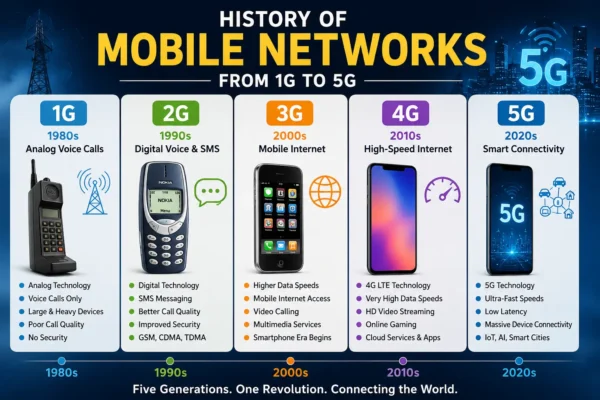
History of Mobile Networks: From 1G to 5G
Best Ways to Promote Affiliate Products
Promoting affiliate products correctly can significantly increase your earnings. Avoid spamming links and instead focus on strategic promotion.
1. Write Honest Product Reviews
Detailed reviews convert well because users are already interested in buying.
Include:
- Features
- Benefits
- Pricing
- Pros and cons
- Personal experience (if possible)
2. Create Comparison Posts
People searching for comparisons usually have buying intent.
Examples:
- Bluehost vs Hostinger
- SEMrush vs Ahrefs
- Canva Pro vs Free
3. Use Tutorials and Guides
Educational content converts very well.
Example:
A blog post about starting a website can recommend:
- Hosting provider
- Domain registrar
- WordPress themes
- SEO plugins
4. Promote Through Email Marketing
Email marketing remains one of the highest-converting methods.
Tips:
- Avoid excessive promotions
- Share valuable content first
- Recommend relevant products only
5. Use Social Media Platforms
Share affiliate products using:
- Instagram reels
- Pinterest pins
- YouTube shorts
- Facebook posts
Visual content often gets more engagement.
6. Create Bonus Offers
Offer extra bonuses if someone buys through your affiliate link.
Example:
“Buy this course using my link and get my free SEO checklist.”
7. Add Affiliate Links Naturally
Avoid overstuffing links. Place them where they make sense in the content.
Good places:
- Product recommendations
- Resource pages
- Tutorials
- Reviews
8. Use Call-to-Action (CTA)
Encourage readers to take action.
Examples:
- “Try this tool today”
- “Get started here”
- “Claim your discount”
9. Use SEO for Buyer Keywords
Target keywords with buying intent:
Examples:
- Best hosting for beginners
- Best email marketing software
- Product review keywords
10. Track Performance
Use analytics tools to monitor:
- Click-through rate (CTR)
- Conversion rate
- Best-performing content
- Top affiliate products
This helps you improve your strategy over time.
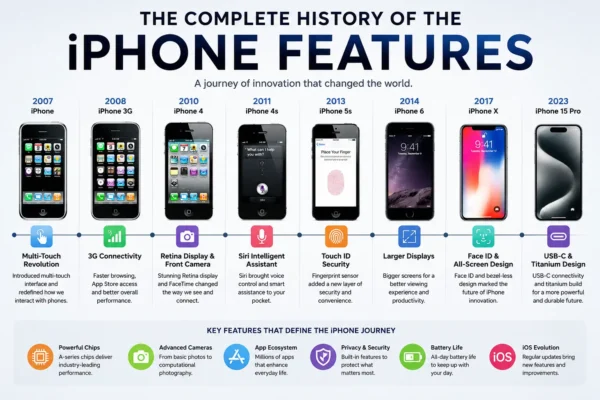
The Complete History of the iPhone
Top Affiliate Marketing Platforms
Choosing the right affiliate marketing platform is one of the biggest factors in your success. Different platforms offer different commission rates, products, payment methods, and earning opportunities. Below are some of the best affiliate marketing platforms in 2026.
1. Amazon Associates
One of the most popular affiliate programs in the world, Amazon Associates allows affiliates to promote millions of products. It is beginner-friendly and trusted globally.
Pros:
- Huge product selection
- Easy approval process
- Trusted brand increases conversions
Cons:
- Low commission rates in some categories
- Short cookie duration
2. ClickBank
ClickBank is famous for digital products like eBooks, online courses, and software. It often offers high commission percentages.
Best For:
- Bloggers
- Digital marketers
- Beginners looking for high commissions
Pros:
- High commission rates (up to 75%)
- Fast approval for many products
- Global availability
3. CJ Affiliate (Commission Junction)
A premium affiliate network with partnerships from major brands and companies.
Pros:
- Trusted advertisers
- High-quality products
- Detailed performance analytics
Cons:
- Approval can be harder for beginners
4. ShareASale
ShareASale offers thousands of merchants across many industries including fashion, technology, and finance.
Pros:
- Wide variety of products
- Reliable payments
- User-friendly dashboard
5. Impact
A modern affiliate platform used by top global brands.
Pros:
- Advanced tracking tools
- High-quality partnerships
- Strong reporting features
6. PartnerStack
Popular for SaaS (Software as a Service) affiliate programs.
Best For:
- Tech bloggers
- Digital marketers
- B2B content creators
7. Rakuten Advertising
A trusted affiliate network that works with large brands worldwide.
Pros:
- Reliable payments
- Big brand partnerships
- Good analytics system
Common Affiliate Marketing Mistakes
Many beginners quit affiliate marketing because they make avoidable mistakes. Understanding these common problems can help you grow faster.
1. Choosing the Wrong Niche
Many people select a niche only because it looks profitable. If you have no interest or knowledge in the topic, creating consistent content becomes difficult.
Better Approach:
Choose a niche that balances interest + profitability + audience demand.
2. Promoting Too Many Products
Trying to sell dozens of unrelated products can confuse your audience.
Solution:
Focus on a few high-quality affiliate products that genuinely solve problems.
3. Ignoring SEO
Without SEO, your website may never rank on search engines.
Important SEO basics:
- Keyword research
- Proper headings (H1, H2, H3)
- Internal linking
- Fast website speed
- Mobile-friendly design
4. Creating Low-Quality Content
Thin articles with little value rarely convert.
Instead, create:
- Product reviews
- Tutorials
- Comparison posts
- Problem-solving content
Example:
Instead of “Best Laptops,” write “Best Budget Laptops for Students in 2026.”
5. Expecting Quick Money
Affiliate marketing is not a get-rich-quick method. Most successful affiliates take months to build traffic and trust.
6. Not Building Trust
If visitors think you’re only trying to sell products, conversions will drop.
Build trust by:
- Being honest in reviews
- Mentioning pros and cons
- Recommending products you believe in
7. Ignoring Analytics
Without tracking data, you won’t know what works.
Track:
- Click-through rates
- Conversion rates
- Traffic sources
- Best-performing pages
8. Depending on One Traffic Source
Relying only on one platform (like Google SEO or Facebook) is risky.
Diversify with:
- SEO traffic
- YouTube
- Email marketing
- Social media
How Much Money Can You Make with Affiliate Marketing?
The earning potential in affiliate marketing varies based on your niche, traffic, strategy, and consistency.
Beginner Level (0–6 Months)
Expected Earnings: ₹0 – ₹10,000/month
At this stage, you’re learning:
- SEO
- Content writing
- Keyword research
- Audience building
Most beginners earn little or nothing initially.
Intermediate Level (6–18 Months)
Expected Earnings: ₹10,000 – ₹1,00,000/month
Once your content starts ranking and traffic increases, commissions improve significantly.
Common income sources:
- Product reviews
- Comparison articles
- Email promotions
Advanced Level (18+ Months)
Expected Earnings: ₹1,00,000 – ₹10,00,000+/month
Experienced affiliate marketers often:
- Own multiple niche websites
- Use SEO + email marketing
- Promote high-ticket products
- Build strong personal brands
Factors That Affect Income
- Niche Selection – Finance and software often pay higher commissions.
- Traffic Volume – More targeted visitors = more sales.
- Content Quality – Helpful content converts better.
- Affiliate Program Commission – Some programs pay much more than others.
- Marketing Strategy – SEO, YouTube, and email marketing can boost earnings.
Realistic Expectations
Affiliate marketing can become a full-time income source, but it usually requires:
- Consistency
- Patience
- Quality content
- SEO knowledge
- Long-term effort
Some people earn a few thousand rupees monthly, while top affiliates generate lakhs or even crores per month. Success depends on strategy and execution, not luck.
Affiliate Marketing Strategies for Beginners
If you are new to affiliate marketing, the right strategy can help you earn commissions faster and avoid common mistakes. Here are some beginner-friendly affiliate marketing strategies:
1. Choose the Right Niche
Selecting a niche is the first step in affiliate marketing success. Focus on topics you enjoy and that have earning potential.
Popular beginner-friendly niches:
- Health and fitness
- Technology and gadgets
- Personal finance
- Beauty and skincare
- Make money online
- Education and online learning
Choose a niche with:
- High audience demand
- Good affiliate products
- Long-term profitability
- Low to medium competition
2. Join Trusted Affiliate Programs
Beginners should work with reliable affiliate programs that provide fair commissions and timely payments.
Popular affiliate networks include:
- Amazon Associates
- ClickBank
- CJ Affiliate
- ShareASale
Choose products that match your niche and audience needs.
3. Create a Website or Blog
A website helps build trust and long-term traffic. You can create:
- Product review websites
- Tutorial blogs
- Comparison websites
- Niche authority blogs
Publish useful content regularly to attract visitors from search engines.
4. Focus on SEO (Search Engine Optimization)
SEO helps your website rank on search engines and bring free traffic.
Beginner SEO tips:
- Use low-competition keywords
- Write detailed articles
- Add internal links
- Optimize titles and meta descriptions
- Improve website speed
Example content ideas:
- “Best Budget Smartphones in 2026”
- “Top Hosting Providers for Beginners”
- “How to Start a Blog Step-by-Step”
5. Create High-Quality Content
Content is the foundation of affiliate marketing.
Types of content that convert:
- Product reviews
- Buying guides
- Comparison articles
- Tutorials
- Case studies
- List posts (“Top 10 Tools”)
Always focus on solving problems instead of only selling products.
6. Use Social Media Marketing
Promote affiliate content on platforms like:
- YouTube
Short videos, tutorials, and tips often perform well.
7. Build an Email List
Email marketing helps you promote affiliate products repeatedly.
Offer free resources like:
- E-books
- Checklists
- Templates
- Guides
Then send:
- Product recommendations
- Helpful tips
- Weekly newsletters
8. Promote Products You Trust
Never promote low-quality products just for commission. Trust increases long-term earnings and repeat visitors.
9. Be Patient and Consistent
Affiliate marketing takes time. Most beginners fail because they expect quick money.
Success tips:
- Publish content regularly
- Learn SEO
- Test different strategies
- Stay updated with trends
Future of Affiliate Marketing
Affiliate marketing continues to grow rapidly, and the future looks promising. Here are key trends shaping affiliate marketing in 2026 and beyond:
1. AI-Powered Content Creation
Artificial intelligence tools are helping marketers create:
- Blog posts
- Product reviews
- SEO content
- Email campaigns
However, original and human-focused content will still rank better.
2. Growth of Video Content
Video marketing is becoming more powerful than text content.
Platforms like:
- Short-form video apps
- YouTube tutorials
- Live product reviews
are driving higher affiliate conversions.
3. Influencer Affiliate Marketing
Influencers are increasingly earning through affiliate partnerships instead of traditional sponsorships.
Micro-influencers are becoming more profitable because audiences trust them more.
4. Voice Search Optimization
More people are using voice assistants to search online.
Future affiliate marketers will optimize content for conversational keywords such as:
- “What is the best laptop for students?”
- “Best hosting for beginners”
5. Mobile-First Affiliate Marketing
Most online shopping now happens on mobile devices. Websites must be:
- Fast loading
- Mobile responsive
- Easy to navigate
6. Better Tracking and Analytics
Affiliate tools are becoming smarter with:
- Advanced tracking
- Real-time reports
- Better conversion analysis
This helps marketers improve campaigns.
7. Higher Competition
Affiliate marketing is growing, meaning competition is increasing. Beginners must focus on:
- Unique content
- Better SEO
- Audience trust
- Helpful recommendations
8. More Recurring Commission Programs
Subscription-based products are increasing, allowing affiliates to earn recurring monthly commissions.
Examples:
- Web hosting
- Software subscriptions
- Online learning platforms
Final Thoughts
Affiliate marketing remains one of the best online business models for beginners in 2026. Success depends on choosing the right niche, creating helpful content, learning SEO, and staying consistent. The future of affiliate marketing is expected to become more AI-driven, video-focused, and competitive, creating even bigger opportunities for smart marketers.
Conclusion
Affiliate marketing is one of the most effective ways to earn money online in 2026, especially for beginners who want to build a passive income source without creating their own products. Whether you are a student, freelancer, blogger, or full-time employee, affiliate marketing gives you the opportunity to earn commissions by recommending useful products and services.
However, success in affiliate marketing does not happen overnight. It requires patience, consistency, quality content, and a smart marketing strategy. Instead of focusing only on selling, successful affiliate marketers focus on helping their audience solve problems and make informed buying decisions.
Start by choosing a profitable niche, joining trusted affiliate programs, and creating valuable content through blogs, YouTube, or social media. Learn SEO, build trust with your audience, and stay consistent with your efforts.
The affiliate marketing industry is growing rapidly, and those who start early and continue learning can create a stable long-term income stream. With dedication and the right strategy, affiliate marketing has the potential to turn into a full-time online business and help you achieve financial freedom.
Frequently Asked Questions (FAQs)
Affiliate marketing is a business model where individuals promote products or services of other companies and earn a commission for every successful sale, signup, or action completed through their referral link. It is one of the easiest ways to make money online because you do not need to create your own product, handle shipping, or provide customer service.
The process is simple. First, you join an affiliate program and receive a unique tracking link. Then, you promote products through a blog, website, YouTube channel, social media account, or email marketing. When someone clicks your affiliate link and makes a purchase, the company tracks the sale and pays you a commission.
For example, if you recommend a smartphone on your blog and a visitor buys it using your affiliate link, you earn a percentage of the sale price. This model works for physical products, digital tools, software, online courses, hosting services, and many other categories.
Affiliate marketing is popular because it offers flexibility, low startup costs, and the opportunity to earn passive income over time.
Yes, beginners can definitely make money with affiliate marketing, but success depends on patience, consistency, and learning the right strategies. Many people start affiliate marketing expecting fast results, but the truth is that building a successful affiliate business takes time.
Beginners should focus on selecting a profitable niche, understanding their audience, and creating useful content instead of only promoting products. Writing honest reviews, tutorials, comparison posts, and buying guides can help build trust with readers.
For example, if your niche is technology, you can write articles like “Best Budget Smartphones,” “Laptop Buying Guide,” or “Top Tech Gadgets in 2026.” Helpful content attracts visitors and increases the chances of affiliate sales.
Most beginners earn slowly at first, but with SEO, social media promotion, and quality content, earnings can grow significantly over time. Some affiliates earn a side income, while others eventually turn affiliate marketing into a full-time career.
There are many affiliate programs available, but beginners should start with trusted platforms that are easy to join and offer products relevant to their niche.
One of the best programs for beginners is Amazon Associates because it offers millions of products across different categories. Even if someone does not buy the exact product you recommend, you may still earn commission on other items they purchase.
Another excellent option is hosting affiliate programs like Hostinger or Bluehost, which offer higher commissions for each sale. These are especially useful for bloggers and digital marketing websites.
For digital products, platforms like ClickBank and PartnerStack are popular because they often provide higher commission percentages. If your audience includes freelancers or business owners, Fiverr Affiliates can also be a good choice.
The best affiliate program depends on your niche, audience, and content strategy. Instead of joining too many programs at once, focus on a few high-quality ones that match your audience’s needs.
The time required to make money with affiliate marketing varies from person to person. Some people make their first sale within a few weeks, while others may take several months.
Several factors affect your success, including your niche, traffic source, content quality, SEO knowledge, and consistency. If you already have an audience on social media or YouTube, you may earn faster than someone starting from scratch.
Bloggers often take around 3 to 12 months to see meaningful income because SEO takes time. Articles need to rank on search engines before they start bringing traffic consistently. On the other hand, influencers and YouTubers may earn faster if they already have engaged followers.
The key is consistency. Publishing useful content regularly, improving SEO, learning marketing techniques, and understanding audience behavior can gradually increase your income. Affiliate marketing should be treated like a real business, not a quick-money scheme.
Yes, affiliate marketing is still highly profitable and worth starting in 2026. Online shopping continues growing every year, and businesses increasingly rely on affiliate marketers to promote products and generate sales.
The rise of content creators, bloggers, influencers, and AI-powered marketing tools has made affiliate marketing more accessible than ever. Whether you want a side income or dream of financial freedom, affiliate marketing offers great opportunities.
However, competition is also increasing. This means success requires better content, trust-building, and genuine recommendations. People no longer buy products simply because someone shares a link—they buy from creators and bloggers they trust.
Those who focus on helping their audience, solving problems, and recommending quality products have the highest chance of success. If you stay consistent, learn SEO, improve your content strategy, and keep adapting to trends, affiliate marketing can become a long-term income source and even a full-time online business.
[…] How to Earn Money with Affiliate Marketing in 2026o matter. […]