
Introduction
Hello, I’m Shiva Verma, and welcome to this detailed guide on one of the biggest career debates in today’s digital world—Freelancing vs Full-Time Job: Which Pays More?
As the online economy continues to grow rapidly in 2026, more people are questioning whether they should stick to a traditional full-time job or switch to freelancing for better income opportunities and flexibility. While a regular job offers stability, monthly salaries, and employee benefits, freelancing promises freedom, remote work, and unlimited earning potential.
But when it comes to actual earnings, which career path is truly more profitable? Can freelancers really make more money than full-time employees? Or does a stable job still provide better long-term financial security?
In this article, we will compare freelancing and full-time jobs based on salary, income stability, work-life balance, flexibility, career growth, taxes, and overall earning potential. Whether you are a student, beginner, working professional, or someone planning a career shift, this guide will help you make the right decision for your future.
Let’s explore the complete comparison and discover which option pays more in 2026.
What is Freelancing?
Freelancing is a way of working where a person offers services to clients or businesses without being permanently employed by one company. A freelancer works independently and usually gets paid per project, per hour, or based on completed tasks. Unlike traditional jobs, freelancers can work with multiple clients at the same time and have the freedom to choose their work schedule, projects, and pricing.
In 2026, freelancing has become one of the fastest-growing ways to earn money online because businesses increasingly hire remote professionals for short-term and long-term projects. People can work from home or anywhere with an internet connection, making freelancing an attractive career option for students, professionals, and beginners.
Freelancers use online platforms to find work, communicate with clients, and receive payments. Some of the most popular freelancing platforms include Upwork, Fiverr, and Freelancer.com.
Benefits of Freelancing
- Flexible Schedule – Work anytime according to your availability.
- Unlimited Income Potential – Earnings depend on your skills and projects.
- Work from Anywhere – No need to go to an office.
- Multiple Income Sources – You can work with many clients.
- Skill Growth – Freelancers continuously learn new skills.

How to Start an Online Business with Low Budget in 2026
How Freelancers Earn Money
Freelancers earn money by offering valuable services to clients who need help with specific tasks or projects. The amount earned depends on experience, skill level, and demand in the market.
1. Project-Based Payment
Many freelancers charge a fixed amount for completing a project.
Example:
A graphic designer may charge ₹5,000–₹20,000 for logo design.
2. Hourly Payment
Some freelancers charge clients per hour.
Example:
A web developer may charge ₹500–₹3,000 per hour depending on expertise.
3. Monthly Retainer Clients
Businesses sometimes hire freelancers for ongoing work every month.
Example:
A social media manager may earn monthly payments for handling business accounts.
4. Commission-Based Earnings
Affiliate marketers and sales freelancers earn commissions for generating sales or leads.
5. Selling Digital Services
Freelancers can package services and sell them repeatedly.
Example:
Content writers sell blog-writing packages, while designers sell templates.
Best Ways Freelancers Get Clients
- Freelancing websites
- Social media marketing
- Personal websites/portfolios
- Referrals from clients
- LinkedIn networking

Best Online Jobs for Beginners in 2026 (Complete Guide to Start Earning)
Popular Freelancing Careers
Here are some of the most profitable freelancing careers in 2026:
1. Content Writing
Writers create blog posts, website content, SEO articles, scripts, and product descriptions.
2. Graphic Designing
Designers create logos, banners, posters, thumbnails, and branding materials.
3. Web Development
Developers build websites, web apps, and online stores for businesses.
4. Digital Marketing
Freelancers help businesses with SEO, advertising, email marketing, and online growth.
5. Video Editing
Video editors create YouTube videos, reels, advertisements, and promotional content.
6. Social Media Management
Managing Instagram, Facebook, YouTube, and business social media accounts.
7. Virtual Assistant
Helping business owners with email handling, scheduling, customer support, and admin tasks.
8. SEO Specialist
SEO freelancers optimize websites to rank higher on search engines.
9. AI Content & Prompt Specialist
With the rise of AI, freelancers now help businesses create AI content and automation workflows.
10. Online Tutoring
Teaching subjects, languages, coding, or professional skills online.
Freelancing can be a good career option for beginners because many skills can be learned online for free, and you can start with small projects before moving to high-paying clients.

Top Websites to Earn Money Online Daily in 2026
What is a Full-Time Job?
A full-time job is a type of employment where an employee works a fixed number of hours per week for a company or organization. In most countries, full-time work generally ranges between 35 to 40+ hours per week, depending on company policies and labor laws.
Full-time employees usually receive a regular monthly salary and additional employment benefits such as health insurance, paid leave, retirement plans, bonuses, and job security. Unlike freelancers or part-time workers, full-time employees typically work for one employer and follow a fixed schedule.
A full-time job can be done in-office, remotely, or in a hybrid model, depending on the company and industry.
Key Features of a Full-Time Job
- Fixed working hours (usually 8 hours per day)
- Regular monthly income
- Employee benefits and perks
- Long-term career growth opportunities
- Stable work environment
- Defined responsibilities and job role
For example, jobs like software engineer, teacher, accountant, marketing executive, and customer support specialist are commonly full-time positions.
Benefits of Full-Time Employment
A full-time job offers several advantages, especially for people seeking financial stability and career growth.
1. Stable Income
One of the biggest benefits is a consistent salary every month. This financial stability helps employees manage expenses, savings, investments, and long-term goals.
2. Employee Benefits
Many companies provide additional benefits to full-time workers, such as:
- Paid holidays
- Health insurance
- Performance bonuses
- Provident fund or retirement benefits
- Paid sick leave
- Job training programs
These benefits improve both financial security and work-life balance.
3. Career Growth Opportunities
Full-time jobs often provide clear career paths. Employees can receive:
- Promotions
- Salary increments
- Leadership opportunities
- Professional skill development
Over time, employees gain experience and improve their expertise in a specific field.
4. Job Security
Compared to freelancing or temporary work, full-time employment often provides greater job stability. Employees usually have long-term contracts and consistent workloads.
5. Professional Networking
Working in a company allows employees to build strong professional relationships with:
- Colleagues
- Managers
- Industry experts
- Clients
Networking can help create future job opportunities and career growth.
6. Structured Work Environment
Full-time jobs generally have a clear routine and organized workflow. Employees know their:
- Working hours
- Tasks and responsibilities
- Performance expectations
- Team structure
This structure can improve productivity and discipline.
7. Learning and Skill Development
Companies often invest in employee training through:
- Workshops
- Certifications
- Online courses
- Mentorship programs
This helps workers improve skills and remain competitive in their careers.

How to Make Money with AI Tools in 2026
Common Full-Time Career Options
There are many industries that offer full-time employment opportunities. Here are some popular career options:
1. Information Technology (IT)
The tech industry offers many high-paying full-time jobs, such as:
- Software Developer
- Web Developer
- Cybersecurity Analyst
- Data Analyst
- AI Specialist
2. Healthcare
Healthcare professionals are always in demand, including:
- Doctor
- Nurse
- Pharmacist
- Medical Technician
- Physiotherapist
3. Education
Teaching is a stable and respected career path:
- School Teacher
- College Professor
- Online Instructor
- Education Consultant
4. Finance and Accounting
People with financial expertise can work as:
- Accountant
- Financial Analyst
- Investment Advisor
- Tax Consultant
5. Marketing and Sales
Businesses need professionals to grow sales and brand awareness:
- Digital Marketer
- SEO Specialist
- Sales Executive
- Content Marketer
- Social Media Manager
6. Government Jobs
Government positions are popular because of job security and benefits:
- Administrative Officer
- Police Officer
- Railway Employee
- Banking Staff
7. Customer Support and Administration
These roles are important in almost every company:
- Customer Service Executive
- HR Manager
- Office Administrator
- Operations Manager
8. Engineering
Engineering remains a strong full-time career field:
- Civil Engineer
- Mechanical Engineer
- Electrical Engineer
- Computer Engineer
A full-time job is ideal for people looking for steady income, career development, workplace benefits, and long-term professional growth. However, the right career choice depends on your skills, interests, and future goals.

The Rise and Fall of Nokia Phones
Freelancing Income Potential
Freelancing income in 2026 has a higher earning ceiling than most traditional jobs, but income can vary significantly based on skill, niche, experience, and client quality. A beginner freelancer may struggle to earn consistently, while experienced professionals can earn much more than salaried employees. Recent income benchmarks suggest that full-time freelancers often earn anywhere from $50,000–$75,000 annually, while top freelancers in high-demand fields such as software development, SEO, consulting, and AI services can exceed $150,000–$200,000+ per year.
In freelancing, earnings are usually based on:
- Hourly rates
- Project-based pricing
- Retainer clients
- Multiple income streams
For example, freelance developers, marketers, and consultants often charge premium rates due to specialized expertise. In 2026, many skilled freelancers earn 20–40% more than full-time employees in similar roles, especially when working with international clients. However, freelancers must cover expenses like taxes, tools, healthcare, marketing, and unpaid downtime between projects.
Freelancing Income Pros
✔ Unlimited earning potential
✔ Ability to work with multiple clients
✔ Higher rates for niche expertise
✔ International clients can increase income
Freelancing Income Cons
✘ Income can be unstable
✘ No guaranteed monthly paycheck
✘ No paid leave or employee benefits
✘ Requires client hunting and self-marketing
Full-Time Salary Potential
A full-time job provides stable and predictable income, which makes financial planning easier. Salaried employees receive fixed monthly payments along with additional benefits such as bonuses, paid holidays, retirement contributions, insurance, and job security.
In 2026, salary growth remains strong in industries like technology, healthcare, AI, digital marketing, and finance. For example, mid-level professionals in tech and marketing can earn competitive annual salaries with added perks and bonuses. Employees also avoid the uncertainty of constantly finding work.
The biggest advantage of full-time employment is consistency. Even if freelancers sometimes earn more gross income, salaried workers often receive valuable benefits that increase total compensation.
Full-Time Salary Pros
✔ Stable monthly income
✔ Employee benefits (insurance, paid leave, bonuses)
✔ Career progression and promotions
✔ Less financial uncertainty
Full-Time Salary Cons
✘ Income growth may be slower
✘ Salary caps in many industries
✘ Limited flexibility and freedom
✘ Less control over workload and schedule
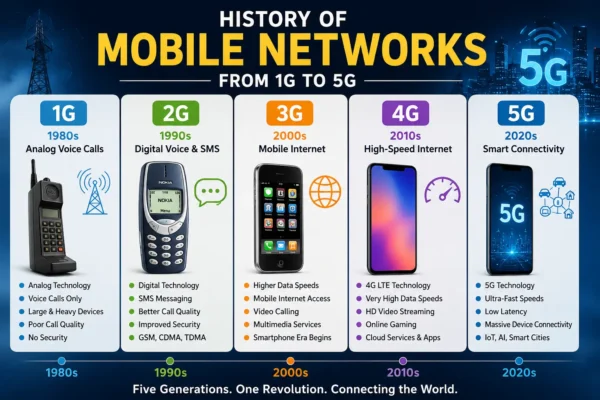
History of Mobile Networks: From 1G to 5G
Which Pays More in 2026?
The answer depends on your experience level and career stage.
For Beginners
A full-time job usually pays more consistently because new freelancers often struggle to find clients and build credibility. A stable salary is safer when starting a career. Community discussions also show many professionals recommending building freelance work on the side before going full-time.
For Experienced Professionals
Freelancing often pays more once you build a strong portfolio, niche expertise, and recurring clients. Top freelancers frequently out-earn salaried employees because there is no fixed salary limit. In-demand skills like SEO, web development, AI content creation, consulting, and paid ads management are especially profitable in 2026.
Simple Comparison
| Factor | Freelancing | Full-Time Job |
|---|---|---|
| Income Stability | Low–Medium | High |
| Income Ceiling | Very High | Moderate |
| Monthly Security | Unstable | Stable |
| Benefits | Self-managed | Employer-provided |
| Growth Potential | Unlimited | Structured |
| Flexibility | Very High | Moderate |
Final Verdict for 2026
- Want stability? Choose a full-time job.
- Want higher earning potential? Freelancing can pay more in the long run.
- Best option for many people: Start with a full-time job and build freelancing as a side income before switching completely. This hybrid model is growing quickly in 2026.
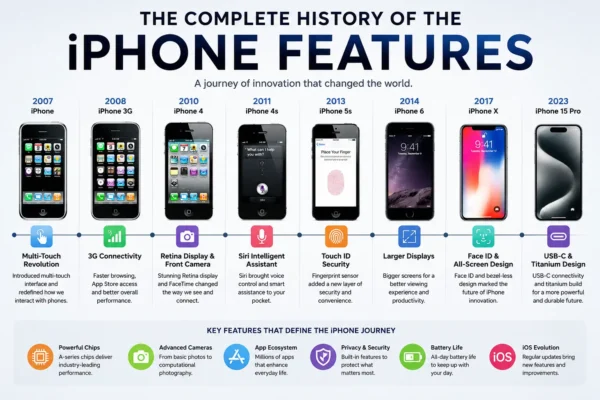
The Complete History of the iPhone
Income Stability: Which is Better?
When comparing freelancing vs full-time jobs, income stability is one of the biggest factors. Both have advantages and risks depending on your goals, skills, and financial situation.
Freelancing Stability
Freelancing offers flexibility and unlimited earning potential, but income can be unpredictable.
Advantages of Freelancing Stability
- Multiple Income Sources: Freelancers can work with different clients, reducing dependence on one employer.
- Unlimited Earnings: Skilled freelancers can increase rates and earn more than salaried employees.
- Flexible Work Opportunities: You can switch industries, clients, or services if one niche slows down.
Challenges of Freelancing Stability
- Irregular Income: Some months may bring high earnings, while others can be slow.
- No Guaranteed Salary: Income depends on finding clients and completing projects.
- Market Competition: Freelancers often face competition, especially beginners.
- No Employee Benefits: Health insurance, paid leave, and retirement savings must be managed personally.
Best for: People who are comfortable with financial uncertainty and want higher earning potential.
Full-Time Job Stability
A full-time job generally provides more financial security and predictable income.
Advantages of Full-Time Job Stability
- Fixed Monthly Salary: You receive regular pay regardless of workload fluctuations.
- Employee Benefits: Many companies offer health insurance, bonuses, paid holidays, and retirement plans.
- Job Security: Established companies often provide long-term employment opportunities.
- Career Growth: Promotions and salary increments can increase long-term stability.
Challenges of Full-Time Job Stability
- Limited Income Growth: Salary increases are usually slower compared to freelancing.
- Dependence on One Employer: Losing a job can suddenly stop income.
- Less Flexibility: Fixed schedules and workplace rules may limit freedom.
Best for: People who prefer predictable income, financial security, and structured career growth.
Which One is More Stable?
- For Short-Term Stability: Full-time jobs are usually better because of fixed salaries and benefits.
- For Long-Term Flexibility & Growth: Freelancing can become stable if you build a strong client base and recurring income.
A smart approach in 2026 is to start with a full-time job and freelance part-time, then move fully into freelancing once you have consistent clients and savings.

The Future of Smartphones in 2030: How Mobile Technology Will Transform Human Life
Freedom and Flexibility Comparison
One of the biggest differences between freelancing and full-time jobs is the level of freedom and flexibility. Some people value independence, while others prefer stability and a fixed routine. Below is a detailed comparison of both.
Freelancing Flexibility
Freelancing offers a high level of freedom and control over your work life. As a freelancer, you are your own boss and can decide how, when, and where you work.
1. Flexible Working Hours
Freelancers are not restricted to a traditional 9-to-5 schedule. You can choose your own working hours based on your productivity and lifestyle.
For example:
- Work in the morning or late at night
- Take breaks whenever needed
- Balance personal life and work more easily
This flexibility is ideal for students, parents, travelers, and people who prefer a customized work routine.
2. Work from Anywhere
One of the biggest benefits of freelancing is location independence. Freelancers can work from:
- Home
- Cafes
- Co-working spaces
- Different cities or countries
All you usually need is a laptop and an internet connection.
3. Freedom to Choose Clients
Freelancers can select the projects and clients they want to work with. If a project does not match your skills or values, you can reject it.
This gives freelancers more control over:
- Workload
- Project type
- Income opportunities
- Career direction
4. Better Work-Life Balance
Freelancers can plan their schedules around family, health, or hobbies. If managed properly, freelancing can provide a healthier work-life balance than traditional jobs.
However, flexibility also comes with responsibility. Freelancers must manage:
- Deadlines
- Time management
- Client communication
- Self-discipline
Without proper planning, flexible work can become stressful.
Pros of Freelancing Flexibility
✔ Choose your own schedule
✔ Work from anywhere
✔ Select projects and clients
✔ More independence and freedom
Cons of Freelancing Flexibility
✘ No fixed routine
✘ Work-life boundaries can blur
✘ Income pressure may increase stress
✘ Requires strong self-management

The Story of Motorola and the First Mobile Phone
Full-Time Job Flexibility
Full-time jobs generally provide less flexibility but offer structure and consistency, which many people prefer.
1. Fixed Working Schedule
Most full-time employees follow a fixed work schedule, such as:
- 9 AM to 5 PM
- Monday to Friday
This creates discipline and predictability in daily life.
2. Limited Location Freedom
Many jobs require employees to work:
- From an office
- At a company location
- According to company policies
However, in 2026, many companies now offer hybrid or remote work options, improving flexibility for employees.
3. Defined Responsibilities
Employees usually have clearly defined roles and responsibilities. This reduces uncertainty and helps maintain a stable workflow.
You don’t have to constantly search for clients or negotiate projects.
4. Paid Leave and Time Off
Unlike freelancers, full-time employees often receive:
- Paid holidays
- Sick leave
- Vacation time
This can create better long-term security and peace of mind.
Pros of Full-Time Job Flexibility
✔ Stable routine and structure
✔ Paid leave benefits
✔ Less stress about finding work
✔ Better long-term predictability
Cons of Full-Time Job Flexibility
✘ Fixed office hours
✘ Less freedom in choosing projects
✘ Limited vacation flexibility
✘ Need employer approval for leave
Final Comparison
| Feature | Freelancing | Full-Time Job |
|---|---|---|
| Work Hours | Flexible | Fixed |
| Work Location | Anywhere | Office/Hybrid |
| Client Choice | Yes | No |
| Paid Leave | No | Yes |
| Independence | High | Moderate |
| Routine | Flexible | Structured |
Which Offers Better Freedom?
If you value independence, travel, flexible timing, and control, freelancing is the better option.
If you prefer stability, routine, and predictable work schedules, a full-time job may be a better fit.
The best choice depends on your personality, career goals, and lifestyle preferences.
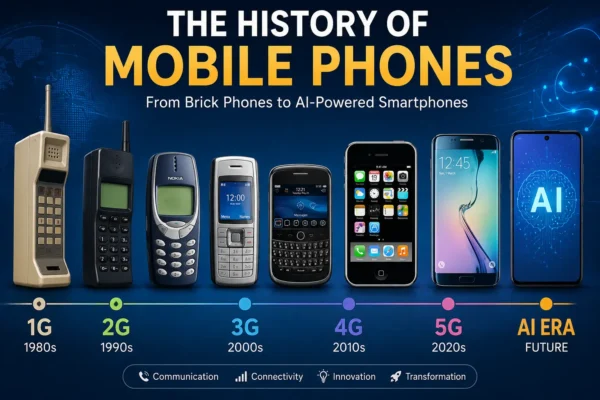
The History of Mobile Phones: From Brick Phones to AI-Powered Smartphones
Work-Life Balance
One of the biggest differences between freelancing and full-time jobs is work-life balance. While both offer advantages, the experience depends on your work style, goals, and personal priorities.
Freelancing Work-Life Balance
Freelancing often provides more flexibility and control over your schedule. As a freelancer, you decide when, where, and how much you work.
Benefits of Freelancing Work-Life Balance
1. Flexible Schedule
Freelancers can choose their working hours. Whether you prefer working early mornings or late nights, freelancing gives you freedom to design your own routine.
2. Work from Anywhere
Most freelance jobs allow remote work. You can work from home, cafes, or while traveling, making it easier to maintain a lifestyle that suits you.
3. Better Personal Time Management
Freelancers can take breaks whenever needed and manage personal responsibilities more easily, such as family time or side projects.
4. No Daily Commute
Without long office commutes, freelancers save time and energy, improving overall work-life balance.
Challenges of Freelancing Work-Life Balance
- Irregular Work Hours: Some freelancers work longer hours to meet deadlines.
- No Fixed Boundaries: Work and personal life may mix, causing burnout.
- Client Pressure: Managing multiple clients can become stressful.
Best for: People who value freedom, flexibility, and independent work styles.
Full-Time Job Work-Life Balance
A full-time job usually provides a more structured work routine with fixed office hours and employer benefits.
Benefits of Full-Time Job Work-Life Balance
1. Fixed Working Hours
Most employees follow a regular schedule, making it easier to separate work from personal life.
2. Paid Leave and Holidays
Full-time workers often receive vacation days, sick leave, and paid holidays, which help maintain balance.
3. Stable Routine
A predictable daily routine can reduce stress and create a healthier work structure.
4. Clear Work Boundaries
After office hours, employees can often disconnect from work responsibilities.
Challenges of Full-Time Job Work-Life Balance
- Less Flexibility: Fixed schedules may limit personal freedom.
- Commuting Stress: Daily travel can reduce free time and increase fatigue.
- Workplace Pressure: Meetings, deadlines, and office expectations can sometimes affect personal life.
Best for: People who prefer stability, structure, and clear separation between work and life.
Which Offers Better Work-Life Balance?
The answer depends on your priorities:
| Factor | Freelancing | Full-Time Job |
|---|---|---|
| Flexibility | High | Medium |
| Fixed Schedule | No | Yes |
| Time Freedom | High | Limited |
| Job Stability | Lower | Higher |
| Personal Control | High | Medium |
Final Thought:
If freedom and flexible hours matter most, freelancing may offer better work-life balance. If you prefer stability and a fixed routine, a full-time job can provide a healthier structure. The best option depends on your career goals and lifestyle preferences.
Career Growth Opportunities
When choosing between freelancing and a full-time job, career growth is an important factor. Both paths offer growth, but in different ways.
Freelancing Career Growth
Freelancing offers flexible and self-driven career growth. Your success depends on your skills, networking, and ability to find clients.
1. Unlimited Skill Development
Freelancers often work with multiple clients and industries, which helps them learn faster. You can improve skills such as:
- Communication
- Time management
- Marketing
- Technical expertise
For example, a freelance graphic designer may work on logos, social media posts, and website design for different businesses, gaining broad experience.
2. No Fixed Salary Limit
Freelancers are not restricted to annual increments. As your expertise grows, you can charge higher rates and work with premium clients.
3. Freedom to Choose Career Direction
You can switch niches or services whenever you want. For example:
- A content writer can move into SEO writing.
- A web designer can become a UX/UI consultant.
- A video editor can start a content agency.
4. Opportunity to Build a Personal Brand
Freelancers can create a strong online presence through:
- Personal websites
- Social media platforms
- Portfolio websites
- Client reviews
A strong personal brand can lead to better-paying clients and long-term opportunities.
5. Business Growth Potential
Freelancing can grow into a business. Many freelancers eventually:
- Build agencies
- Hire teams
- Create digital products
- Launch online courses
Challenge: Growth is self-managed. There are no promotions or structured training programs.
Full-Time Career Growth
Full-time jobs offer structured and stable career growth through promotions, company training, and workplace experience.
1. Clear Career Path
Most companies provide a fixed growth structure such as:
Junior Employee → Senior Employee → Team Lead → Manager → Senior Manager
This makes career progression easier to understand.
2. Promotions and Salary Increments
Employees often receive:
- Annual appraisals
- Salary hikes
- Performance bonuses
- Promotion opportunities
This creates stable long-term growth.
3. Professional Training and Mentorship
Companies often invest in employee development through:
- Skill training programs
- Certifications
- Workshops
- Senior mentorship
This helps employees improve professionally.
4. Strong Industry Experience
Working in one organization allows deeper expertise in a specific field and improves teamwork, leadership, and problem-solving skills.
5. Networking Opportunities
Employees build professional relationships with:
- Managers
- Colleagues
- Industry experts
- Corporate clients
These connections can help with future job opportunities.
Challenge: Career growth may be slower due to company hierarchy, office politics, or limited promotion opportunities.
Freelancing vs Full-Time Career Growth: Quick Comparison
| Factor | Freelancing | Full-Time Job |
|---|---|---|
| Growth Speed | Fast (skill-based) | Structured but slower |
| Income Growth | Unlimited | Fixed increments |
| Career Path | Self-created | Company-defined |
| Skill Development | Wide variety | Specialized expertise |
| Stability | Less predictable | More secure |
| Promotion | No formal promotion | Regular promotions |
Which Has Better Career Growth?
- Choose freelancing if you want fast growth, independence, and unlimited earning potential.
- Choose a full-time job if you prefer structured growth, job security, and professional guidance.
Many professionals in 2026 combine both—working a full-time job while freelancing part-time to maximize income and career opportunities.
Taxes and Expenses
When comparing freelancing and full-time jobs, taxes and expenses play a major role in determining your actual take-home income. Many people focus only on salary or project payments, but hidden costs, tax responsibilities, and employer-provided benefits can significantly impact financial stability.
Freelancer Costs and Taxes
Freelancers enjoy independence and unlimited earning potential, but they are also responsible for managing their own taxes, expenses, and financial planning. Unlike employees, freelancers do not receive employer-sponsored benefits, meaning additional costs must be considered.
1. Self-Employment Taxes
Freelancers are responsible for paying their own taxes. This includes:
- Income Tax: Based on total yearly earnings.
- Self-Employment Tax: Covers contributions typically shared by employers and employees, such as pension or social security-related obligations depending on the country.
- GST/VAT (If Applicable): Some freelancers may need to register for business taxes if earnings cross a threshold.
For example, a freelancer earning a high monthly income may still take home less after deducting taxes and business costs.
2. Business Expenses
Freelancers often invest money into running their business. Common expenses include:
- Laptop or computer upgrades
- High-speed internet
- Software subscriptions
- Website hosting and domain costs
- Marketing and advertising
- Online tools and AI software
- Coworking spaces or home office setup
These costs can reduce profit margins, especially during the early stages of freelancing.
3. Health Insurance and Retirement Planning
Unlike full-time employees, freelancers must arrange:
- Private health insurance
- Emergency savings funds
- Retirement investments
- Paid leave planning
Since there is no employer contribution, financial discipline becomes essential.
4. Irregular Income Management
Freelancers often experience fluctuating monthly earnings. One month may bring high-paying projects, while another may be slow. This makes budgeting and tax planning more important.
A smart strategy is setting aside a percentage of each payment for taxes and emergency savings.
Pros of Freelancer Tax Structure
- Potential business expense deductions
- More control over financial planning
- Higher earning opportunities
Cons of Freelancer Taxes
- Must manage taxes independently
- No employer-sponsored insurance
- Higher financial responsibility
- Income can be unpredictable
Employee Benefits and Deductions
Full-time employees generally enjoy more predictable financial systems. While salaries may be lower than top freelancers, employer-sponsored benefits often add substantial value.
1. Automatic Tax Deductions
For employees, taxes are usually deducted directly from salaries by the employer. This simplifies financial management because:
- Tax filing is easier
- Less risk of missing payments
- Better income predictability
Employees typically receive salary slips showing deductions and net income.
2. Employer Benefits
Many full-time jobs include valuable benefits such as:
- Health insurance
- Paid vacation days
- Sick leave
- Retirement contributions
- Bonuses and incentives
- Professional development support
These benefits reduce personal expenses and increase overall compensation.
3. Job Security and Stable Income
Employees usually receive:
- Fixed monthly salary
- Predictable raises
- Stable financial planning
This consistency helps with loans, investments, and household budgeting.
4. Workplace Perks
Depending on the company, employees may receive:
- Remote work options
- Office equipment
- Travel allowances
- Free training programs
- Team bonuses
These perks reduce personal spending while increasing career growth opportunities.
Pros of Employee Financial Structure
- Stable salary and easier budgeting
- Employer-paid benefits
- Simplified tax process
- Paid leave and retirement support
Cons of Employee Deductions
- Limited tax-saving flexibility
- Less control over compensation structure
- Salary growth may be slower than freelancing
Freelancing vs Full-Time Job: Which Saves More Money?
The answer depends on income level, spending habits, and career stage.
| Factor | Freelancing | Full-Time Job |
|---|---|---|
| Taxes | Self-managed | Employer-managed |
| Benefits | Self-funded | Employer-provided |
| Income Stability | Variable | Stable |
| Expenses | Higher business costs | Lower personal work costs |
| Savings Potential | High (if managed well) | More predictable |
Freelancers can potentially earn more, but they also face greater financial responsibility. Employees may earn less in some cases, but benefits and stability often make up for the difference.
Stress Levels: Freelancing vs Full-Time Job
Stress is one of the biggest factors when choosing between freelancing and a full-time job. Both career paths come with pressure, but the type of stress is different.
Freelancing Stress Levels
Freelancing can feel exciting because of freedom and flexibility, but it often comes with uncertainty.
Common stress factors in freelancing:
- Unstable income: Some months may bring high earnings, while others may be slow.
- Finding clients: Freelancers constantly need new projects and clients.
- Irregular workload: You may experience overwork during busy periods and no work during slow seasons.
- Self-management pressure: No boss means you handle deadlines, marketing, communication, and finances yourself.
Why freelancers feel stressed:
A freelancer often worries about where the next payment or client will come from. Managing multiple clients, deadlines, and payments can create mental pressure.
Stress advantage in freelancing:
You have more control over your schedule. You can take breaks, choose projects, and avoid toxic workplaces.
Full-Time Job Stress Levels
A full-time job usually offers more financial stability, but workplace pressure can be stressful.
Common stress factors in full-time jobs:
- Fixed working hours: Less flexibility in daily schedules.
- Office pressure: Deadlines, meetings, and performance expectations.
- Workplace politics: Team conflicts or management issues.
- Limited freedom: Employees often have less control over projects and time.
Why employees feel stressed:
Job targets, office culture, commuting, and balancing work-life responsibilities can increase stress.
Stress advantage in full-time jobs:
A regular salary, job security, and employee benefits reduce financial anxiety.
Which is More Stressful?
| Factor | Freelancing | Full-Time Job |
|---|---|---|
| Income Pressure | High | Low |
| Work Flexibility | High | Low |
| Job Security | Low | High |
| Client/Boss Pressure | Moderate | High |
| Work-Life Balance | Flexible | Structured |
Final Comparison:
- If uncertainty and financial instability make you anxious, a full-time job may feel less stressful.
- If office rules, fixed schedules, and bosses stress you out, freelancing may feel better.
Best Option for Beginners
For beginners, choosing the right path depends on skills, goals, and financial situation.
Freelancing for Beginners
Freelancing is good if you:
- Have a marketable skill (writing, graphic design, video editing, coding, digital marketing)
- Want flexible working hours
- Are ready to learn client communication
- Can handle income fluctuations
Challenge for beginners:
Getting the first client can be difficult and income may take time to grow.
Full-Time Job for Beginners
A full-time job is better if you:
- Want stable monthly income
- Need experience and professional training
- Prefer structured learning
- Want employee benefits and career guidance
Challenge for beginners:
Less flexibility and slower income growth compared to successful freelancers.
Best Choice for Most Beginners
For most people, starting with a full-time job while freelancing part-time is often the safest option.
This approach helps you:
Switch to freelancing full-time when income becomes consistent
Earn a stable salary
Build skills and experience
Start freelancing without financial pressure
Real-Life Income Examples: Freelancing vs Full-Time Job
Understanding real-life earning examples can help you decide whether freelancing or a full-time job is the better financial choice. Income varies depending on skills, experience, industry, and location, but here are some realistic examples in 2026.
1. Beginner Freelancer vs Entry-Level Employee
Freelancer Example:
A beginner content writer working on platforms like freelance marketplaces may earn around ₹15,000–₹40,000 per month by handling small projects and building experience.
Full-Time Employee Example:
An entry-level content writer in a company may earn ₹20,000–₹35,000 per month, along with fixed salary benefits and job security.
Key Difference:
Freelancers may earn less in the beginning due to inconsistent work, while employees receive stable monthly income.
2. Mid-Level Professional Income
Freelancer Example:
A freelance graphic designer with good clients and a strong portfolio can earn ₹50,000–₹1,50,000+ per month depending on projects.
Full-Time Employee Example:
A graphic designer in a company may earn ₹40,000–₹80,000 per month with additional benefits like bonuses, insurance, and paid leave.
Key Difference:
Freelancers often have higher income potential, but earnings depend on finding clients consistently.
3. High-Skill Professional Income
Freelancer Example:
A freelance web developer or digital marketer working with international clients can earn ₹2 lakh–₹5 lakh+ per month.
Full-Time Employee Example:
A senior software developer or marketing manager may earn ₹1 lakh–₹3 lakh per month plus company benefits.
Key Difference:
Highly skilled freelancers can sometimes out-earn employees, especially when charging premium rates.
Income Comparison Table
| Experience Level | Freelancer Income | Full-Time Job Income |
|---|---|---|
| Beginner | ₹15,000 – ₹40,000 | ₹20,000 – ₹35,000 |
| Mid-Level | ₹50,000 – ₹1,50,000 | ₹40,000 – ₹80,000 |
| Expert | ₹2L – ₹5L+ | ₹1L – ₹3L |
Final Insight
Freelancing offers unlimited earning potential, but income can be unpredictable. Full-time jobs provide financial stability and fixed salaries, making them a safer option for many beginners.
Pros and Cons of Freelancing
Freelancing has become one of the most popular career choices in 2026 because of flexibility and earning opportunities. However, it also comes with challenges. Here are the major pros and cons of freelancing.
Pros of Freelancing
1. Flexible Working Hours
Freelancers can choose when to work. You are not tied to a strict 9-to-5 schedule, which gives more personal freedom.
2. Unlimited Income Potential
Unlike salaried jobs, freelancing allows you to increase income by taking more clients or charging higher rates.
3. Work from Anywhere
Freelancers can work remotely from home, cafés, or while traveling, as long as they have internet access.
4. Freedom to Choose Clients
You can select projects and clients that match your interests and expertise.
5. Multiple Income Sources
Freelancers often work with several clients, reducing dependency on a single source of income.
Cons of Freelancing
1. Income Instability
Freelance work is not always consistent. Some months may bring high earnings, while others may be slow.
2. No Employee Benefits
Freelancers do not usually receive health insurance, paid vacations, bonuses, or retirement plans.
3. Finding Clients Can Be Difficult
Beginners often struggle to build trust and attract long-term clients.
4. Self-Discipline is Required
Freelancers must manage deadlines, productivity, and time without supervision.
5. Handling Taxes and Expenses
Freelancers are responsible for managing taxes, software costs, internet bills, and business expenses.
Quick Pros and Cons Table
| Pros | Cons |
|---|---|
| Flexible schedule | Irregular income |
| Unlimited earning potential | No job benefits |
| Work from anywhere | Difficult client hunting |
| Freedom of choice | Requires discipline |
| Multiple income streams | Extra business expenses |
Pros and Cons of Full-Time Jobs
A full-time job is one of the most common career choices worldwide. It offers financial security, employee benefits, and long-term career growth. However, like any career path, it comes with both advantages and disadvantages. Before choosing between freelancing and a traditional job, it is important to understand the pros and cons of full-time employment.
Pros of Full-Time Jobs
1. Stable Monthly Income
One of the biggest benefits of a full-time job is a fixed salary. Employees receive regular monthly payments, making it easier to plan expenses, savings, and investments. Unlike freelancing, where income can fluctuate, full-time jobs provide financial predictability.
For example, if you work in an IT company, marketing agency, or corporate office, you can expect a fixed paycheck regardless of temporary market fluctuations.
2. Employee Benefits
Most companies offer additional benefits to their employees. These may include:
- Health insurance
- Paid vacations
- Sick leave
- Retirement plans or provident funds
- Bonuses and incentives
These benefits reduce financial stress and improve long-term security.
3. Career Growth Opportunities
Full-time employees often receive promotions, salary hikes, and skill development opportunities. Companies invest in training programs to help employees improve professionally.
For example, a junior employee can gradually move to senior positions, management roles, or leadership opportunities over time.
4. Job Security
A permanent position often provides more security than freelancing. Employees usually have contracts and labor protections, reducing the risk of sudden income loss.
Although layoffs can happen, stable companies generally offer better employment continuity than project-based freelance work.
5. Structured Work Environment
Full-time jobs provide a fixed schedule, office systems, and team support. Employees know their responsibilities and work processes clearly.
This structure can help people stay disciplined and maintain productivity.
6. Professional Networking
Working in a company helps employees build relationships with colleagues, managers, and industry professionals. Strong professional networks can open doors to better opportunities in the future.
Cons of Full-Time Jobs
1. Limited Flexibility
One major downside of full-time jobs is the lack of freedom. Employees must usually follow fixed working hours and company policies.
For example, if your office timing is 9 AM to 6 PM, you may have limited control over your schedule.
2. Income Limitations
Even highly skilled employees often have salary limits based on company structures. While promotions and raises happen, income growth can be slower compared to successful freelancers.
Freelancers can increase earnings by taking multiple clients or charging higher rates.
3. Work Pressure and Stress
Many full-time jobs involve deadlines, office politics, performance targets, and workload pressure.
Stress levels may become high, especially in demanding industries such as IT, finance, customer support, or sales.
4. Less Freedom in Career Choices
Employees often work according to company needs instead of personal interests. They may not always have the freedom to choose projects, clients, or working methods.
5. Limited Time Freedom
Full-time jobs can make it difficult to manage personal commitments, hobbies, or travel because employees must follow company schedules and leave approvals.
6. Dependence on One Income Source
Employees rely on a single employer for their income. If the company downsizes or faces financial problems, job loss can become a challenge.
Freelancing vs Full-Time Job: Final Verdict
Choosing between freelancing and a full-time job depends on your goals, personality, financial needs, and career expectations. There is no universal “best option” because both paths offer unique advantages.
Choose Freelancing If:
- You want flexibility and freedom
- You enjoy working independently
- You prefer unlimited income potential
- You want to work from home or remotely
- You are comfortable handling uncertainty and finding clients
Freelancing is ideal for people who are self-disciplined, skilled, and comfortable with income fluctuations.
Choose a Full-Time Job If:
- You prefer stable monthly income
- You want employee benefits and job security
- You enjoy teamwork and structured environments
- You are building experience in your career
- You prefer predictable working hours
A full-time job is usually better for beginners who want financial stability and professional guidance.
The Best Option in 2026
In 2026, many professionals are choosing a hybrid approach—working a full-time job while freelancing part-time. This allows them to enjoy stable income while building extra earnings and skills.
For example:
- A software developer may work full-time while doing freelance web projects on weekends.
- A content writer may work for a company and also take freelance blog writing clients.
This combination can reduce financial risks while increasing earning opportunities.
Final Thoughts
Freelancing and full-time jobs both have strengths and weaknesses. If you value stability, benefits, and structured growth, a full-time job may be the better choice. If freedom, flexibility, and unlimited earning potential matter more, freelancing could be the ideal path.
The smartest decision is to evaluate your personal goals, financial situation, and lifestyle preferences before choosing. In today’s digital world, many people successfully combine both to create a balanced and profitable career.
Conclusion
The debate between freelancing and a full-time job does not have a one-size-fits-all answer because both career paths offer unique advantages and challenges. If your main goal is financial stability, job security, employee benefits, and a structured career path, then a full-time job may be the better choice. On the other hand, if you value freedom, flexibility, remote work, and unlimited earning potential, freelancing can open the door to significantly higher income opportunities.
In terms of earnings, freelancing often has the potential to pay more than a traditional job, especially if you have in-demand skills and work with international clients. However, higher rewards also come with higher risks, including inconsistent income, client management, and self-discipline. Meanwhile, full-time employment provides predictable monthly income and benefits that can reduce financial stress.
The smartest approach for many beginners in 2026 is to combine both worlds—start with a stable full-time job while building freelance skills and clients on the side. This strategy helps reduce risk while creating extra income opportunities.
Ultimately, the best option depends on your goals, lifestyle, personality, and financial priorities. Whether you choose freelancing, a full-time career, or a mix of both, success comes from continuous learning, improving your skills, and adapting to the changing job market. Choose the path that aligns with your ambitions and helps you create the future you want.
Frequently Asked Questions (FAQs)
Freelancing can be better than a full-time job for people who value freedom, flexibility, and higher earning potential. Freelancers have the ability to choose their own clients, work from anywhere, and set their own schedules. In some cases, experienced freelancers earn much more than salaried employees. However, freelancing also comes with challenges such as unstable income, finding clients, and handling taxes independently.
A full-time job, on the other hand, offers more stability, predictable income, employee benefits, paid leave, and job security. It is often a safer option for beginners or people who prefer a structured work environment. Ultimately, the better choice depends on your career goals, financial needs, and lifestyle preferences.
Yes, freelancers can earn more than full-time employees, especially if they have high-demand skills like web development, digital marketing, graphic design, video editing, or content writing. Since freelancers can work with multiple clients and charge higher rates based on expertise, their earning potential is often unlimited.
However, freelance income is not always consistent. Some months may bring high earnings, while others may be slower. Full-time employees generally receive fixed monthly salaries, making income more predictable. Therefore, while freelancing can pay more, success depends heavily on experience, networking, and client management.
Freelancing is becoming more stable in 2026 because remote work and online businesses are growing rapidly worldwide. Companies increasingly hire freelancers for short-term and long-term projects. However, stability in freelancing depends on your skills, reputation, and ability to retain clients.
Experienced freelancers often create stable income by working with recurring clients, offering monthly retainers, and diversifying their income sources. Beginners may initially face challenges, but with consistency and skill development, freelancing can become a reliable career path.
Yes, many people successfully combine freelancing with a full-time job. In fact, this is one of the smartest ways to start freelancing because it reduces financial risk. You can build skills, gain experience, and earn extra income while still receiving a regular salary.
Many professionals begin freelancing in evenings or weekends and gradually transition into full-time freelancing once they have enough clients and stable income. However, managing both requires proper time management and discipline to avoid burnout.
For most beginners, a full-time job is often the better starting point because it provides financial stability, professional experience, mentorship, and skill development. It also helps build confidence and industry knowledge.
However, freelancing can still be an excellent side hustle for beginners who want additional income or practical experience. The ideal approach is often to start with a job while freelancing part-time. Over time, you can decide whether to continue both or switch completely to freelancing based on your goals and financial situation.
[…] Freelancing vs Full-Time Job: Which Pays More? […]