
Introduction
Hello, I’m Shiva Verma, and welcome to this complete guide on How to Start a Profitable Blog in 2026.
Blogging has changed dramatically over the years. Many people believe blogging is dead because of social media, artificial intelligence, and short-form content platforms. However, the reality is very different. Blogging is still one of the best online business models in 2026 when done correctly.
Today, thousands of bloggers are earning money through affiliate marketing, ads, sponsored content, digital products, freelancing, and memberships. Whether you want to earn passive income, build a personal brand, or start an online business, blogging can become a profitable long-term asset.
In this detailed guide, you’ll learn exactly how to start a profitable blog step by step—even if you’re a complete beginner.
What is Blogging in 2026?
Blogging in 2026 is the process of creating and publishing valuable content online to educate, entertain, inform, or solve problems for a specific audience while earning money through multiple digital income sources. Unlike traditional blogging in the past, modern blogging in 2026 is more professional, AI-assisted, SEO-focused, and multi-platform driven.
A blog is essentially a website where creators regularly publish articles on topics such as technology, finance, health, education, travel, business, lifestyle, gaming, or online earning. Bloggers create high-quality content to attract visitors from search engines, social media, email newsletters, and online communities.
In 2026, blogging is no longer limited to writing text articles. Successful bloggers now combine:
- SEO-optimized written content
- AI-powered research and content planning
- Images, infographics, and videos
- Social media promotion
- Email marketing
- Affiliate marketing strategies
- Digital product selling
For example, if someone starts a blog about online earning, they can publish helpful guides like “Best Freelancing Websites,” “How to Start an Online Business,” or “Passive Income Ideas.” Over time, as traffic increases, the blogger can earn through advertisements, affiliate commissions, sponsorships, and product sales.
Modern blogging is also smarter because bloggers use tools powered by artificial intelligence to research keywords, improve writing quality, optimize SEO, and understand audience behavior. However, originality and useful content remain the biggest factors for success.
The biggest difference between blogging in earlier years and blogging in 2026 is competition. Since millions of blogs already exist, success depends on providing unique, trustworthy, and highly useful information.
Simply put, blogging in 2026 is not just a hobby—it has become a real online business model capable of generating passive income and even full-time careers.

Freelancing vs Full-Time Job: Which Pays More?
Why Blogging is Still Profitable in 2026
Many people believe blogging is dead because of social media, AI content, and video platforms. However, blogging remains highly profitable in 2026 for those who focus on quality, SEO, and audience trust.
1. Search Engines Still Drive Massive Traffic
Every day, billions of people search online for answers to questions. Whether someone searches for “best laptops,” “how to earn money online,” or “weight loss tips,” blogs continue to rank on search engines and attract visitors.
When your blog ranks on search engines, it can generate free traffic for months or even years, making blogging a long-term passive income source.
2. Multiple Income Streams Are Available
In 2026, bloggers can earn money in many ways instead of relying on one source.
Common blogging income methods include:
- Display ads
- Affiliate marketing
- Sponsored posts
- Selling online courses
- E-books and digital products
- Freelance services
- Membership websites
- Brand partnerships
This makes blogging a flexible and scalable online business.
3. AI Increased Opportunities, Not Competition Alone
Although AI tools can generate content faster, they also help bloggers work more efficiently. Smart bloggers use AI for research, outlines, SEO optimization, and productivity while still adding personal experience and originality.
Search engines now prefer human-first, experience-based content rather than low-quality automated articles. This creates opportunities for bloggers who provide genuine value.
4. Low Investment, High Profit Potential
Starting a blog in 2026 requires very little investment compared to traditional businesses.
You only need:
- A domain name
- Web hosting
- A blogging platform
- Basic SEO knowledge
- Consistent effort
With a small budget, bloggers can build websites that eventually generate passive monthly income.
5. Businesses Need Content Marketing
Companies continue investing heavily in content marketing because blogs help attract customers organically.
Businesses need blog content for:
- Brand awareness
- SEO rankings
- Customer education
- Lead generation
- Product promotion
This creates opportunities for bloggers to earn through sponsored content, freelance writing, and partnerships.
6. Evergreen Content Creates Passive Income
One of blogging’s strongest advantages is evergreen content.
For example, if you write an article like:
“How to Start a Blog in 2026”
that article can bring visitors for years if updated regularly. Unlike social media posts that disappear quickly, blog articles can continuously generate traffic and revenue.
7. Niche Blogging Is Growing Faster
General blogs are harder to grow today, but niche blogs are becoming extremely profitable.
Examples of profitable niches in 2026 include:
- Personal finance
- AI tools
- Remote jobs
- Health and fitness
- Education
- Digital marketing
- Online business
- Technology reviews
- Freelancing
- Productivity
Focused niche blogs often rank faster and attract targeted audiences.
Final Thoughts
Blogging is still profitable in 2026 because people constantly search for information online, businesses depend on content marketing, and bloggers now have multiple ways to earn money. While competition is higher than before, success is still possible for creators who publish valuable, original, and SEO-friendly content consistently.
The key to profitable blogging in 2026 is simple: choose a niche, create useful content, build trust, and stay consistent.

How to Start an Online Business with Low Budget in 2026
Benefits of Starting a Blog
Starting a blog in 2026 can be one of the smartest ways to build an online presence, share knowledge, and generate income. Whether you want to create a personal brand, earn passive income, or grow a business, blogging offers many advantages. Here are some of the biggest benefits of starting a blog:
1. Earn Passive Income
One of the main reasons people start blogs is to make money online. A successful blog can generate passive income through ads, affiliate marketing, sponsored posts, digital products, and online services. Once your content ranks on search engines, it can continue bringing traffic and earnings for months or even years.
2. Build Personal Brand and Authority
A blog helps you establish yourself as an expert in your niche. Whether you write about finance, technology, health, travel, or online business, sharing useful information builds trust among readers. Over time, your audience may see you as a reliable source of information.
3. Work from Anywhere
Blogging gives you location freedom. All you need is a laptop and internet connection to manage your blog. Many bloggers work from home, cafes, or while traveling.
4. Low Investment Business
Compared to traditional businesses, starting a blog requires very little investment. You only need a domain name, hosting, and basic tools to get started. This makes blogging one of the most affordable online business ideas in 2026.
5. Improve Writing and Communication Skills
Writing blog posts regularly improves your writing, research, and communication skills. These skills can also help in freelancing, business, and professional careers.
6. Create Multiple Income Streams
A blog allows you to diversify your earnings through different monetization methods such as:
- Display ads
- Affiliate marketing
- Sponsored collaborations
- Selling courses or eBooks
- Freelance services
Depending on one income source can be risky, but blogging provides flexibility.
7. Long-Term Growth Potential
Unlike social media posts that disappear quickly, blog articles can rank on search engines for years. A single high-quality blog post can continue generating traffic and income over time.
8. Opportunity to Help Others
Blogging is not just about money. You can educate, inspire, and solve problems for readers. Helping people through valuable content also increases trust and loyalty.

Best Online Jobs for Beginners in 2026 (Complete Guide to Start Earning)
Choose a Profitable Blog Niche
Choosing the right niche is one of the most important decisions when starting a blog. A blog niche is the main topic you will focus on. Picking a profitable niche increases your chances of success and earning potential.
What is a Blog Niche?
A niche is a specific topic or category your blog focuses on. Instead of writing about everything, successful blogs usually target one subject area to attract a targeted audience.
For example:
- Personal Finance
- Health & Fitness
- Technology
- Online Earning
- Education
- Travel
- Food Blogging
How to Choose a Profitable Blog Niche
1. Choose Something You Enjoy
Pick a topic you are interested in. Blogging requires consistency, and writing about something you enjoy makes it easier to stay motivated.
Ask yourself:
- What topics do I love learning about?
- What problems can I solve for people?
- What skills or knowledge do I already have?
2. Check Market Demand
A profitable niche should have audience demand. Use keyword research tools to check if people are searching for topics in that niche.
Look for:
- High search volume
- Trending topics
- Evergreen content opportunities
3. Analyze Competition
Competition is normal, but avoid niches that are too broad. Instead of creating a general fitness blog, focus on a sub-niche like “Home Workouts for Beginners” or “Weight Loss Tips.”
4. Monetization Potential
Choose a niche where money-making opportunities exist.
Ask:
- Are companies advertising in this niche?
- Are affiliate products available?
- Can I sell digital products or services?
5. Think Long-Term
Avoid short-term trends unless they fit into a long-lasting niche. Evergreen niches usually perform better over time.
Best Profitable Blog Niches in 2026
- Online Earning & Freelancing
- Personal Finance & Investing
- Health and Fitness
- AI and Technology
- Digital Marketing
- Education and Online Learning
- Travel and Lifestyle
- Food and Recipes
- Self-Improvement
- Business and Entrepreneurship
Final Tip
The best blog niche is one that combines your interest, audience demand, and monetization potential. If you choose the right niche and consistently publish high-quality content, your blog can become a long-term online business.
Research Your Target Audience
Before starting a blog in 2026, understanding your target audience is one of the most important steps. Many beginners make the mistake of writing content they personally like without checking whether readers are actually interested in it. A successful blog grows when you solve real problems for a specific group of people.
Why Audience Research Matters
Audience research helps you understand:
- What problems people are facing
- What type of content they want
- Which topics are trending in your niche
- What keywords they search online
- How they consume content (text, videos, guides, reviews)
When you know your audience well, creating content becomes easier and more profitable.

Top Websites to Earn Money Online Daily in 2026
How to Identify Your Target Audience
Start by asking these simple questions:
1. Who Are You Writing For?
Identify the age group, profession, interests, and goals of your readers.
Examples:
- A finance blog may target young professionals who want to save money.
- A fitness blog may focus on beginners looking to lose weight.
- A blogging blog may target students, freelancers, and creators wanting to make money online.
Create an Audience Persona
An audience persona is a fictional profile of your ideal reader.
Example:
Name: Rahul
Age: 24
Interest: Making money online
Problem: Doesn’t know how to start blogging
Goal: Earn passive income
This helps you write content directly for people like Rahul.
Research Audience Problems
Your blog becomes valuable when you solve problems. Here are ways to find audience pain points:
1. Search Google Questions
Type your topic into Google and check:
- “People Also Ask” section
- Auto-suggestions
- Related searches
2. Explore Online Communities
Check platforms where people ask questions:
- Quora
- Facebook Groups
- Niche forums
See what people are struggling with.
3. Analyze Competitor Blogs
Visit successful blogs in your niche and identify:
- Popular blog posts
- Most commented topics
- Frequently asked questions
This gives content ideas that already work.
Understand Search Intent
Search intent means understanding why someone searches for something.
Examples:
- Informational: “How to start a blog”
- Commercial: “Best blogging platforms”
- Transactional: “Buy web hosting”
Writing content based on intent increases traffic and conversions.
Best Tools for Audience Research
Here are useful tools for bloggers in 2026:
- Google Trends – Discover trending topics
- Google Keyword Planner – Find keyword ideas
- AnswerThePublic – Find audience questions
- Ubersuggest – Analyze keywords and competitors
Tips to Better Understand Your Audience
- Read blog comments regularly
- Ask questions on social media
- Run polls and surveys
- Track analytics data
- Focus on solving one major problem at a time
When you deeply understand your audience, your blog content feels more helpful and trustworthy, which improves traffic, engagement, and earnings over time.

How to Make Money with AI Tools in 2026
Select the Best Blogging Platform
Choosing the right blogging platform is another major step when starting a profitable blog in 2026. Your blogging platform acts as the foundation of your website. It affects customization, SEO, monetization, speed, and growth opportunities.
What Makes a Good Blogging Platform?
A good platform should offer:
- Easy setup
- SEO-friendly features
- Mobile responsiveness
- Customization options
- Monetization support
- Security and performance
Top Blogging Platforms in 2026
1. WordPress.org (Best for Serious Bloggers)
WordPress.org is the most popular blogging platform worldwide. It powers millions of websites and offers complete control.
Pros:
- Full ownership of your blog
- Excellent SEO features
- Thousands of themes and plugins
- Easy monetization with ads and affiliate marketing
Cons:
- Requires hosting purchase
- Slight learning curve for beginners
Best For: Bloggers who want long-term growth and profits.
2. Blogger (Best for Beginners)
Blogger is a free blogging platform owned by Google.
Pros:
- Completely free
- Easy to use
- No hosting needed
Cons:
- Limited customization
- Less professional appearance
- Fewer monetization options
Best For: Complete beginners testing blogging.
3. Wix
Wix offers drag-and-drop website creation.
Pros:
- Beginner-friendly
- Beautiful templates
- No coding required
Cons:
- Limited flexibility for scaling
- SEO is not as strong as WordPress
Best For: Personal blogs and small websites.
4. Medium
Medium allows writers to publish instantly.
Pros:
- Built-in audience
- Easy publishing
- No technical setup
Cons:
- Limited control
- Hard to build your own brand
Best For: Writers focused only on content.
5. Ghost
Ghost is a fast blogging platform focused on content creators.
Pros:
- Fast loading speed
- Clean interface
- Membership features
Cons:
- More expensive than WordPress
- Smaller plugin ecosystem
Which Blogging Platform Should You Choose?
Here is a quick recommendation:
| Goal | Best Platform |
|---|---|
| Professional Blogging | WordPress.org |
| Free Blogging | Blogger |
| Simple Website | Wix |
| Writing Articles Only | Medium |
| Premium Content Business | Ghost |
For most bloggers who want to build a profitable blog in 2026, WordPress.org remains the best option because it provides full control, better SEO, and stronger monetization opportunities.
Choosing the right platform early can save time, money, and effort as your blog grows.
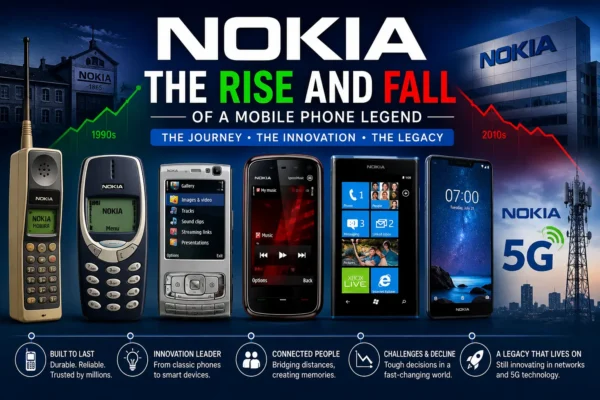
The Rise and Fall of Nokia Phones
Buy a Domain Name and Hosting
One of the most important steps in starting a profitable blog in 2026 is purchasing a domain name and reliable hosting. Your domain name is your blog’s online identity, while hosting is where your website files are stored.
How to Choose the Perfect Domain Name
Your domain name should be:
- Short and memorable – Easy for readers to remember.
- Easy to spell – Avoid difficult words or unusual spellings.
- Relevant to your niche – Reflect your blog topic.
- Brandable – Choose a name that can grow with your business.
Examples:
- Tech blog → SmartTechGuide.com
- Fitness blog → HealthyLifeTips.com
- Finance blog → MoneyGrowthHub.com
Try to avoid:
- Long domain names
- Numbers and hyphens
- Copyrighted brand names
Best Domain Extensions in 2026
Popular domain extensions include:
- .com – Best for global blogs
- .in – Great for Indian audiences
- .net – Suitable for technology sites
- .org – Good for educational or nonprofit blogs
Choosing the Right Hosting Provider
A good hosting provider ensures:
- Fast website speed
- Better security
- High uptime
- Good customer support
Important hosting features to look for:
- Free SSL Certificate
- Fast Loading Speed
- Daily Backups
- One-Click WordPress Installation
- 24/7 Customer Support
Shared Hosting vs Cloud Hosting
| Feature | Shared Hosting | Cloud Hosting |
|---|---|---|
| Cost | Low | Moderate |
| Speed | Average | Faster |
| Best For | Beginners | Growing Blogs |
| Traffic Handling | Limited | Better |
For beginners, shared hosting is usually enough. As your traffic grows, you can upgrade to cloud hosting.
Steps to Buy Domain and Hosting
- Choose a blogging platform (WordPress is recommended).
- Pick a domain name.
- Select a hosting plan.
- Complete payment.
- Connect your domain to hosting.
- Install WordPress.
After setup, your blog will be live on the internet.
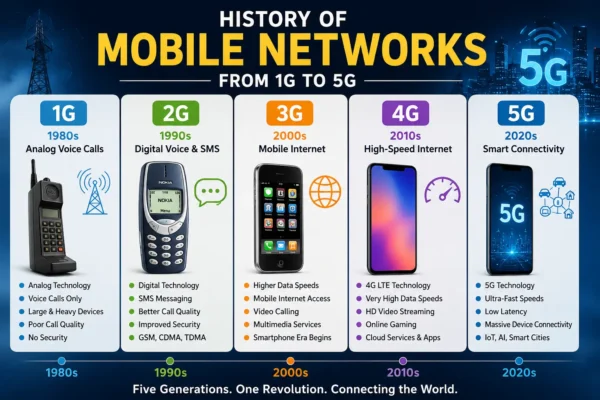
History of Mobile Networks: From 1G to 5G
Design Your Blog Professionally
Your blog design creates the first impression for visitors. A professional-looking blog increases trust, improves user experience, and helps readers stay longer.
Why Blog Design Matters
Good design helps:
- Improve readability
- Increase page views
- Lower bounce rates
- Build trust and authority
A poorly designed blog can make visitors leave within seconds.
Essential Elements of a Professional Blog Design
1. Clean Layout
Avoid cluttered designs. Keep your layout simple and organized.
Your blog should include:
- Header section
- Navigation menu
- Sidebar (optional)
- Blog content area
- Footer
2. Mobile-Friendly Design
Most users browse websites on smartphones. Your blog must be responsive and mobile optimized.
3. Fast Loading Speed
A slow website hurts rankings and user experience.
Tips to improve speed:
- Use lightweight themes
- Compress images
- Use caching plugins
- Choose quality hosting
4. Professional Logo and Branding
Create a simple logo and maintain consistent:
- Colors
- Fonts
- Layout style
This improves brand recognition.
Best WordPress Themes for Blogging
Some beginner-friendly themes include:
- Astra
- GeneratePress
- Kadence
- Neve
These themes are lightweight and SEO-friendly.
Essential Pages Every Blog Needs
Create these pages:
- Home Page
- About Us
- Contact Us
- Privacy Policy
- Disclaimer
- Terms & Conditions
These pages increase trust and professionalism.
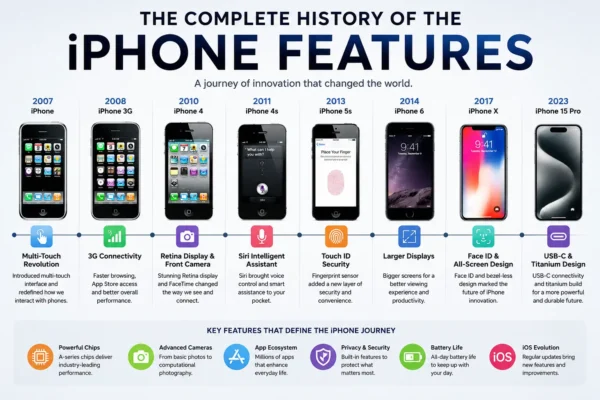
The Complete History of the iPhone
Create High-Quality Content
Content is the foundation of a successful blog. Without valuable content, it becomes difficult to attract readers or rank on search engines.
What is High-Quality Blog Content?
High-quality content is:
- Helpful
- Informative
- Easy to read
- Well-structured
- SEO optimized
- Original
Your goal should be to solve readers’ problems.
How to Create Great Blog Content
1. Research Topics Carefully
Write about topics people are searching for.
Use keyword research tools to find:
- Low-competition keywords
- Trending topics
- User questions
2. Write Detailed Articles
Long-form content generally performs better in search results.
A strong blog post structure:
- Introduction
- Problem explanation
- Step-by-step guide
- Examples
- FAQs
- Conclusion
3. Use Proper Formatting
Improve readability by using:
- Headings (H2, H3)
- Bullet points
- Short paragraphs
- Images
- Tables
Avoid large blocks of text.
4. Focus on User Intent
Understand why someone is searching.
Examples:
- Informational keywords → educational content
- Buying keywords → product reviews
- Comparison keywords → detailed comparisons
Content Consistency Matters
Publishing regularly is important.
Example posting schedule:
- 2–3 articles weekly
- 8–12 articles monthly
Consistency helps grow traffic faster.
Content Writing Tips for Beginners
- Write for humans first, SEO second
- Avoid keyword stuffing
- Use simple language
- Add examples and case studies
- Update old articles regularly

The Future of Smartphones in 2030: How Mobile Technology Will Transform Human Life
Learn Basic SEO for Blogging
SEO (Search Engine Optimization) helps your blog rank higher in search engines and attract free organic traffic.
In 2026, SEO remains one of the most powerful blogging strategies.
Why SEO is Important
SEO helps you:
- Get free traffic
- Rank on search engines
- Increase authority
- Earn more from blogging
Without SEO, even great content may struggle to get visitors.
Types of SEO for Bloggers
1. On-Page SEO
On-page SEO includes optimizing content on your website.
Best practices:
- Use target keywords naturally
- Write attractive titles
- Add meta descriptions
- Use internal linking
- Optimize images
2. Technical SEO
Technical SEO focuses on website performance.
Important factors:
- Website speed
- Mobile friendliness
- HTTPS security
- XML sitemap
3. Off-Page SEO
Off-page SEO helps improve authority.
Methods include:
- Backlinks
- Guest posting
- Social sharing
- Brand mentions
Basic SEO Checklist for Beginners
✅ Keyword in title
✅ Keyword in headings
✅ SEO-friendly URL
✅ Internal links added
✅ Meta description optimized
✅ Images compressed
✅ Mobile-friendly page
✅ Fast loading speed
Free SEO Tools for Bloggers
Useful beginner tools:
- Google Search Console
- Google Analytics
- Google Keyword Planner
- Ubersuggest
SEO Mistakes to Avoid
Avoid these beginner mistakes:
- Keyword stuffing
- Duplicate content
- Ignoring mobile optimization
- Publishing low-quality content
- Slow website speed
Learning SEO takes time, but once mastered, it can bring long-term traffic and passive income to your blog.
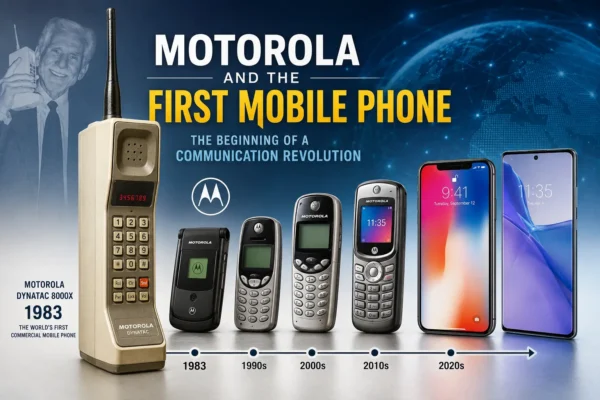
The Story of Motorola and the First Mobile Phone
1. Build Traffic to Your Blog
Starting a blog is only the first step. To make money from blogging in 2026, you need consistent traffic. Without visitors, even the best blog content will struggle to generate income. The good news is that there are many effective ways to grow your blog audience.
Focus on SEO (Search Engine Optimization)
SEO is still one of the best ways to get free traffic from search engines. If your blog ranks on search engines, you can receive thousands of visitors every month.
Key SEO practices include:
- Use the right keywords naturally
- Write SEO-friendly titles and headings
- Optimize images
- Improve website speed
- Add internal and external links
- Create high-quality content regularly
For example, instead of targeting broad keywords like “blogging,” target long-tail keywords such as:
- How to start a blog in 2026
- Best blogging niche for beginners
- How to make money blogging fast
Long-tail keywords are easier to rank for and often bring highly targeted visitors.
Publish High-Quality Content Consistently
Consistency is one of the biggest secrets behind successful blogging.
Many beginners quit after publishing 5–10 posts because they do not see results quickly. Blogging rewards consistency.
Try to publish:
- 2–4 blog posts per week
- In-depth content (1500–3000 words)
- Helpful and problem-solving articles
High-quality content builds trust and encourages readers to return to your blog.
Use Social Media Platforms
Social media is an excellent traffic source in 2026.
Promote your content on:
- X (Twitter)
- Threads
Short-form video content is especially powerful now. You can turn blog articles into:
- Reels
- YouTube Shorts
- Infographics
- Carousel posts
These formats help bring readers back to your website.
Start Email Marketing
Email marketing remains one of the highest-converting traffic strategies.
Build an email list by offering:
- Free guides
- Checklists
- E-books
- Templates
When you publish a new blog post, notify subscribers through email.
Over time, email subscribers become loyal readers and customers.
Guest Posting
Guest posting means writing articles for other blogs in your niche.
Benefits include:
- More exposure
- High-quality backlinks
- Better SEO rankings
- Increased authority
For example, if you have a digital marketing blog, writing for marketing websites can help attract targeted readers.
Use Pinterest for Blog Traffic
Pinterest works like a visual search engine and is still highly effective for bloggers.
Create attractive pins for your blog articles and include:
- Eye-catching designs
- Strong titles
- SEO-friendly descriptions
Many bloggers generate thousands of monthly visitors using Pinterest alone.
Update Old Content
Refreshing old content can improve rankings.
Update:
- Statistics
- Examples
- Images
- Keywords
- SEO optimization
Google prefers fresh and updated content.
Build a Blogging Community
Engage with readers through:
- Blog comments
- Facebook groups
- Telegram communities
- Online forums
Building relationships increases loyalty and blog engagement.
2. Monetization Methods for Bloggers
After building traffic, the next step is earning money from your blog.
Here are the best monetization methods for bloggers in 2026.
1. Display Advertising
Display ads are one of the easiest ways to monetize a blog.
Popular ad networks include:
- Google AdSense
- Mediavine
- Ezoic
You earn money whenever visitors view or click ads.
Best for:
- Blogs with high traffic
2. Affiliate Marketing
Affiliate marketing is among the most profitable blogging income methods.
You promote products or services and earn commissions from sales.
Examples:
- Web hosting
- Software tools
- Online courses
- Digital products
You can write:
- Product reviews
- Tutorials
- Comparison articles
Affiliate marketing often pays more than ads.
3. Sponsored Posts
Brands pay bloggers to write about products or services.
As your blog grows, companies may contact you for collaborations.
Sponsored content can become a major income source.
4. Sell Digital Products
Many bloggers create digital products such as:
- E-books
- Templates
- Courses
- Printables
- Premium guides
This method offers high profit margins because there are no shipping costs.
5. Online Courses
If you are an expert in a topic, you can create online courses.
Popular course topics:
- Blogging
- SEO
- Digital marketing
- Freelancing
- Graphic design
Courses can generate passive income for years.
6. Freelance Services
Many bloggers earn by offering services such as:
- Content writing
- SEO services
- Graphic design
- Consulting
A blog acts like an online portfolio.
7. Membership Content
You can create premium content behind a subscription wall.
Examples:
- Exclusive tutorials
- Premium communities
- VIP content
Monthly subscriptions create recurring income.
8. Sell Physical Products
Some bloggers launch:
- Merchandise
- Books
- Handmade products
This works especially well for lifestyle and niche blogs.
3. Common Blogging Mistakes to Avoid
Many bloggers fail because of avoidable mistakes.
Choosing the Wrong Niche
A niche that is too broad or unprofitable can make blogging difficult.
Choose a niche with:
- Audience demand
- Monetization opportunities
- Personal interest
Ignoring SEO
Without SEO, getting organic traffic becomes harder.
Learn basic keyword research and optimization early.
Publishing Low-Quality Content
Thin or copied content rarely ranks.
Always focus on:
- Originality
- Value
- Research
- Readability
Quitting Too Early
Many bloggers give up after a few months.
Blogging is a long-term game.
Success often takes:
- 6 months
- 12 months
- Sometimes longer
Consistency matters.
Focusing Only on Money
Readers come before earnings.
Provide value first, and monetization becomes easier later.
Not Building an Email List
Relying only on search traffic is risky.
An email list gives you direct access to your audience.
Ignoring Mobile Optimization
Most users browse on mobile devices.
Ensure your blog:
- Loads quickly
- Looks responsive
- Is easy to navigate
Using Too Many Ads
Too many ads can hurt user experience and increase bounce rates.
Balance monetization with readability.
4. How Long Does It Take to Make Money Blogging?
One of the most common questions beginners ask is:
“How long does it take to make money blogging?”
The answer depends on:
- Your niche
- Content quality
- SEO strategy
- Consistency
- Marketing efforts
Realistic Blogging Timeline
Month 1–3
- Learning phase
- Low traffic
- Little or no earnings
Month 4–6
- Some search rankings
- Growing traffic
- First affiliate commissions possible
Month 6–12
- Better SEO performance
- More visitors
- Stable monetization opportunities
1–2 Years
- Strong traffic
- Multiple income streams
- Potential full-time income
Some bloggers earn faster, but most successful blogs take time.
The key is patience and consistency.
How to Speed Up Results
To make money faster:
- Choose a profitable niche
- Learn SEO early
- Publish consistently
- Build email subscribers
- Promote content aggressively
- Use affiliate marketing
Blogging is not a “get-rich-quick” method. It is a long-term digital asset.
5. Best Blogging Tools for 2026
Using the right tools can save time and improve results.
Blogging Platforms
- WordPress — Best overall blogging platform
- Blogger — Free for beginners
- Wix — Easy drag-and-drop setup
SEO Tools
- Ahrefs
- SEMrush
- Ubersuggest
These help with:
- Keyword research
- Competitor analysis
- Backlink tracking
Writing Tools
- Grammarly — Grammar checking
- Google Docs — Content drafting
Graphic Design Tools
- Canva — Blog graphics and Pinterest pins
- Adobe Photoshop — Professional editing
Email Marketing Tools
- Mailchimp
- ConvertKit
Analytics Tools
- Google Analytics
- Google Search Console
These help you monitor:
- Traffic
- Rankings
- Visitor behavior
- SEO performance
Using the right tools can significantly improve blogging success in 2026.
Conclusion
Starting a profitable blog in 2026 is one of the smartest online business opportunities for beginners. While blogging is not a quick-rich scheme, it offers long-term income potential and financial freedom.
Success comes from choosing the right niche, creating quality content, learning SEO, building traffic, and monetizing strategically.
If you stay consistent, blogging can become a full-time income source.
Remember:
Every successful blogger started with zero visitors.
The difference is they stayed consistent.
Start today, learn continuously, and keep improving.
Frequently Asked Questions (FAQs)
Yes, absolutely.
Even beginners can start blogging successfully. You don’t need coding skills or advanced technical knowledge.
You only need:
A niche
A website
Consistency
Patience
With proper learning and regular publishing, beginners can grow a profitable blog.
Income varies greatly.
Some bloggers make a few hundred dollars monthly, while others earn thousands.
Income depends on:
Traffic
Niche
Monetization strategy
SEO skills
Blogging income grows over time.
Both are excellent.
Blogging is better for:
SEO traffic
Writing lovers
Passive traffic
YouTube is better for:
Video creators
Personal branding
Many creators combine both.
Consistency matters more than frequency.
For beginners:
2–3 quality posts weekly is a good start.
Focus on value rather than quantity.
The biggest reason is quitting too early.
Many people expect instant money.
Blogging requires:
Consistency
SEO learning
Patience
Continuous improvement
Those who stay committed often succeed.
Leave a Reply